Published by Germie in Vegetables the 19/09/2026 at 00:42

Here's a little secret: It's not just what you grow, but where you plant it and the company it keeps. Grow the right plants together and you'll reap benefits including better growth rates and reduced pests!
Friends can offer support during difficult times, so your plants know it too! Companion planting is simply growing two plants near each other for the benefit of one or both plants. This can be as simple as growing nectar-rich flowers among crops to attract pollinators or two vegetables planted next to each other to deter insects from them. A familiar example of companion planting is corn, climbing beans, and winter squash, which were commonly planted by various Native American communities because of their complementarity.
Tall corn provides a place for climbing beans, low squash shades the soil to protect it from moisture loss, and its large spines discourage weeds and pests. Fast-growing beans are “nitrogen fixers” that make nitrogen available to other plants.
Some vegetables do better alone, others thrive in the presence of each other. To design a productive garden, you need to know how to combine vegetables and get the most out of them. For example, in your vegetable garden, it is ideal to plant tomatoes next to basil, carrots, salads and parsley.
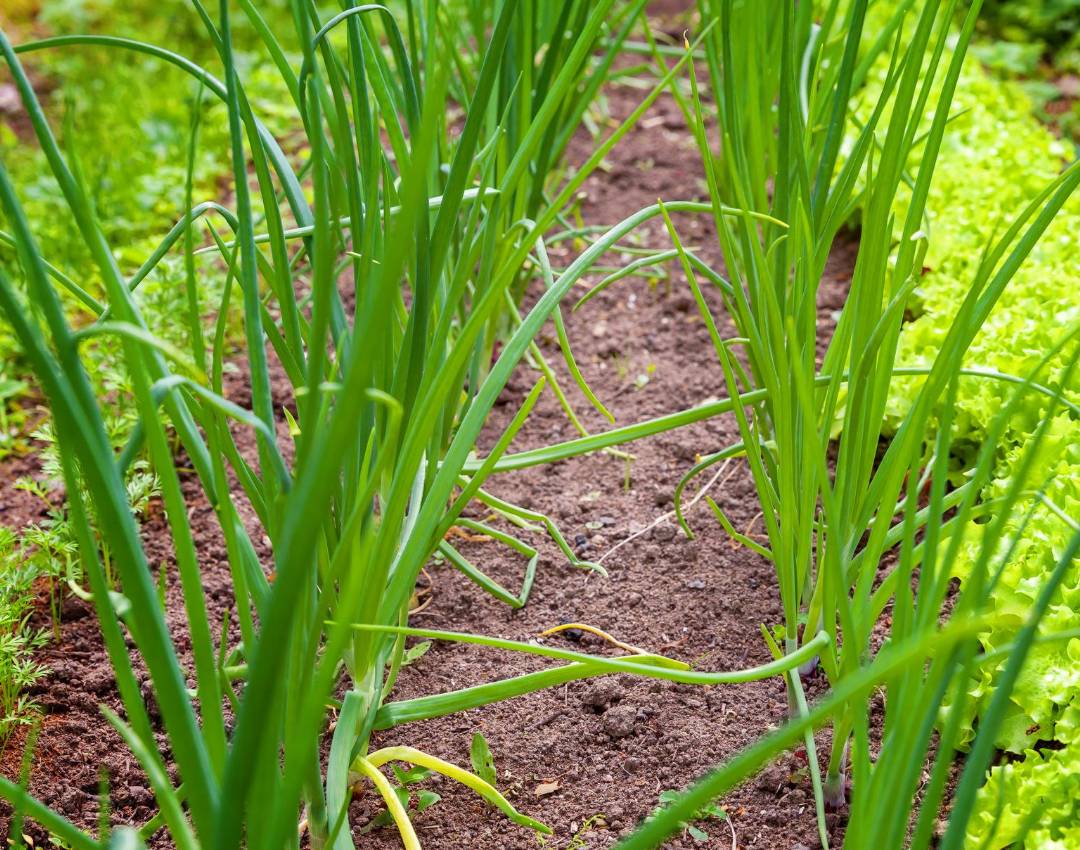
In an organic garden, vegetables associated with each other help each other. We can plant flowers between rows of vegetables for aesthetic reasons and also to attract harmful insects which will benefit the plants we want to grow.
Below you will find a table of good vegetable combinations that will help you organize your garden:
| Garlic | Basil | Beetroot | Carrot | Celery | Cabbage | Cucumber | Zucchini | Shallot | Spinach | Strawberry | Bean | Lettuce | Turnip | Onion | Parsley | Leek | Potato | Radish | Tomato | Thyme | |
| Garlic |

|
|
|
|
|
|
|||||||||||||||
| Basil |
|
|
|
||||||||||||||||||
| Beetroot |
|
|
|
|
|||||||||||||||||
| Carrot |
|
|
|
|
|
|
|
|
|
|
|||||||||||
| Celery |
|
|
|
|
|
|
|
|
|
||||||||||||
| Cabbage |
|
|
|
|
|
|
|
|
|
||||||||||||
| Cucumber |
|
|
|
|
|
|
|||||||||||||||
| Zucchini |
|
|
|
|
|||||||||||||||||
| Shallot |
|
|
|
|
|
|
|||||||||||||||
| Spinach |
|
|
|
|
|
|
|
|
|||||||||||||
| Strawberry |
|
|
|
|
|
|
|
|
|||||||||||||
| Bean |
|
|
|
|
|
|
|
|
|||||||||||||
| Lettuce |
|
|
|
|
|
|
|
|
|
|
|
|
|
|
|||||||
| Turnip |
|
|
|
|
|
|
|
|
|||||||||||||
| Onion |
|
|
|
|
|
|
|||||||||||||||
| Parsley |
|
|
|||||||||||||||||||
| Leek |
|
|
|
|
|
||||||||||||||||
| Potato |
|
|
|
|
|||||||||||||||||
| Radish |
|
|
|
|
|
|
|
||||||||||||||
| Tomato |
|
|
|
|
|
|
|
|
|
|
|||||||||||
| Thyme |
|
|
|
|
There are many good reasons to plant certain crops together:
Natural supports:Tall plants like corn can support sprawling, slower-growing crops like cucumbers and peas.
Improved plant health:When one crop absorbs substances from the soil, other neighboring crops can be affected, changing the biochemistry in their favor.
Improve soil fertility:Certain crops like beans, peas or other legumes make nitrogen more available in the soil. Likewise, plants with long taproots like burdock bring up nutrients from deep in the soil and enrich the topsoil for shallow-rooted plants.
Weed control:Planting sprawling crops like potatoes next to tall, vertically growing plants minimizes open areas where weeds typically take hold.
Deter pests:Some plants act as insect repellents or deter critters. For example, the smell of garlic is unappealing to many pests.
Attract beneficial insects:Some plants also attract beneficial insects. For example, borage attracts pollinating bees and small parasite-eating wasps.
Shade regulation:Large plants shade small plants that need sun protection. For example, corn overshadows lettuce.
Post a comment