
Acidic, Neutral or Alkaline Soil? Everything You Need for Fertile Ground
Published by Germie in Vegetables the 19/09/2026 at 00:42


Introduction
Analyzing soil pH is a key element in ensuring the fertility of your land. Understanding whether your soil is acidic, neutral or calcareous allows you to select the most suitable plants and take the necessary steps to optimize plant growth. pH directly influences plant nutrient uptake, making it a crucial factor in the health of your garden.
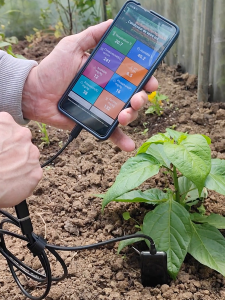
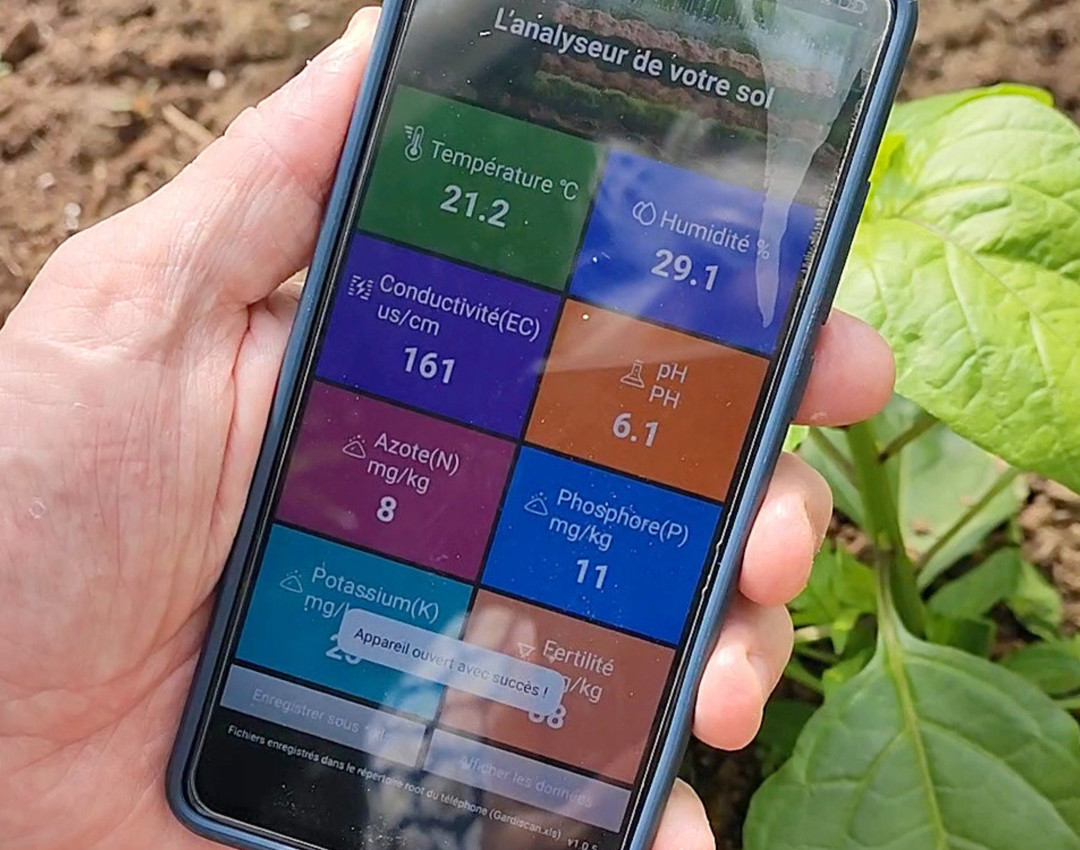
Methods for identifying soil pH have evolved significantly over the years. Traditionally, simple chemical indicators or test kits available from garden centers were used. Today, advanced tools likeGardiscanallow a more precise and detailed analysis of the acid-base profile of the soil. This innovative device offers fast and reliable reading, making it easier to manage and improve the fertility of your land.
Why is soil pH important?
- Direct influence on nutrient absorption
- Impact on nutrient availability
- Effect on soil microbial and biological activity
Knowing the pH of your soil helps you create an optimal environment for your plants, ensuring fertile and productive soil.
Understanding soil pH and its impact on plants
Thesoil pHmeasures the acidity or alkalinity of soil on a scale of 0 to 14. A pH of 7 is neutral, while a pH below 7 indicates acidic soil and a pH above 7 represents alkaline soil. This parameter is crucial because it directly influences the absorption of nutrients by plants.
Role of pH in nutrient absorption
- Acidic soil (pH < 7): Elements like iron, manganese, and zinc become more available, but other essential elements like calcium and magnesium may be deficient.
- Neutral soil (pH = 7): this is often ideal for the majority of plants, allowing balanced availability of nutrients.
- Alkaline soil (pH > 7): Calcium and magnesium are generally abundant. However, the availability of iron, manganese and phosphorus may be reduced, which can lead to deficiencies.
Effects of unbalanced pH
AUnbalanced pHdisrupts plant metabolism. For example:
- Excess acidity can cause aluminum toxicity, limiting root growth.
- Soil that is too alkaline can make certain nutrients inaccessible, causing visible deficiencies such as yellowing of leaves (chlorosis).
Maintaining a balanced pH is essential to ensure healthy, robust plant growth in your garden.
The different types of soil and their corresponding pH levels
Different types of soil are distinguished by their composition and pH level, which directly influences their fertility and the adaptability of plants. Here is a detailed overview:
Acidic soil
- Typical pH: less than 7.
- Distinctive features :
- Low activity of microorganisms.
- Absence of earthworms.
- Blockage of nutrient assimilation.
- Potential toxicity due to aluminum.
- Telltale signs :
- Presence of specific plants such as Roman chamomile, broom or Rumex obtusifolius.
Neutral ground
- Typical pH: around 7.
- Distinctive features :
- Optimal balance for the majority of plants.
- Good biological activity and nutrient availability.
- Telltale signs :
- Healthy, vigorous growth of a wide range of crops without specific pH-related symptoms.
Calcareous (alkaline) soil
- Typical pH: greater than 7.
- Distinctive features :
- Increased presence of calcium and other non-active bases.
- Favors certain specific crops called “basic”.
- Telltale signs :
- Abundant growth of shepherd's capselle, meadow sage or ravenelle.
Visual signs observed on plants can often be the first indicators of a soil pH imbalance. Regular inspection makes it possible to adapt cultural practices to maintain fertile soil.
Methods to accurately assess and measure soil pH
Effective Use of a Soil pH Test Kit
To determine the pH of the soil, the use of apH test kitis an accessible and precise method. Here are the detailed steps to conduct the test:
- Take a sample: take a soil sample about 10 cm deep.
- Mix with distilled water: Mix one part of the soil with an equal part of distilled water in a clean container.
- Shake vigorously: close the container and shake vigorously for a few minutes.
- Let it rest: Let the mixture sit until clear liquid forms on top.
- Test the liquid: Use the test strip or solution provided in the kit to test the clear liquid.
Results are usually available within minutes and indicate whether your soil is acidic, neutral or alkaline.
Other approaches or instruments available
Other instruments can provide a more in-depth assessment of the soil's acid-base profile:
- Gardiscan: 8 in 1 analysis tool that allows you to take different measurements simply using an Android phone
- electronic pH meter: very accurate, but requires regular calibration.
- Laboratory tests: offer comprehensive analyzes including specific recommendations for amendments.
Each of these methods has advantages and limitations. For example, test kits are simple but may lack precision, while laboratory tests are very accurate but more expensive and time-consuming.
Importance of regular testing
It is crucial to carry out regular testing to monitor seasonal variations or long-term changes in pH. Soil pH can fluctuate due to precipitation, biological activities or cultural practices. Regular monitoring allows the necessary amendments to be quickly adjusted to maintain an optimal balance conducive to plant growth.
Selecting plants suited to specific pH conditions in the garden
Correctly identify the current pH of the soil
Before choosing plants for your garden, it is essential to identify the soil type. Use a test kit to measure the pH and determine if it is acidic, neutral or chalky. Acidic soil has a pH below 7, neutral soil is around 7, and limestone soil has a pH above 7.
Steps to test pH:
- Take samples from different areas of the garden.
- Mix the samples in a clean container.
- Follow the test kit instructions to get an accurate reading.
Know the specific pH preferences of plants
Certain plants thrive better in specific soils. Here are some examples:
Plants for acidic soil (pH < 7):
- Azaleas
- Rhododendrons
- Blueberries
- Potatoes
Plants for neutral soil (pH ≈ 7):
- Lettuces
- Spinach
- Peas
- Tomatoes
Plants for calcareous soil (pH > 7):
- Lavender
- Rosemary
- Thyme
- Sage
Use this information as a guide
By knowing the pH preferences of different plant species, you can create an optimal environment for each plant. This not only improves plant growth and health, but also optimizes overall soil fertility.
Practical example:
If your test reveals acidic soil, focus on crops like blueberries and rhododendrons. For limestone soil, opt instead for aromatic herbs such as lavender and rosemary.
By choosing plants adapted to the pH of the soil, you maximize your chances of successful cultivation and a flourishing garden.
Improving soil fertility by adjusting pH naturally
Understanding pH balance and its impact
An optimal pH balance in your soil promotes beneficial biological activity, essential for fertile soil. Microorganisms and earthworms, for example, thrive best in an environment where the pH is balanced, improving soil structure and nutrient availability.
Recommended Amendment Techniques
To correct common pH problems, opt for natural organic amendments. Here are some effective techniques:
- Compost contribution: enriches the soil with organic matter and helps stabilize the pH.
- Use of well-rotted manure: improves soil structure and promotes biological activity.
- Incorporation of organic mulch: regulates soil temperature and maintains constant humidity.
Amend acidic soil
Acidic soils (pH < 7) can be amended with appropriate alkaline materials:
- Crushed limestone
- Dolomite
- Marne
- Chalk
- Maerl
Apply these amendments in small annual or biennial doses to avoid any sudden imbalance. It is crucial to monitor pH levels regularly to ensure gradual and effective adjustment.
Humus soils and organic matter
In moist, humus-rich but often acidic soils, use amendments rich in organic matter to create a balanced growing environment. Plants such as potatoes, root vegetables or strawberries adapt well to these conditions.
By using these techniques, you can transform your garden into a space where all your plants thrive with fertile, balanced soil.
Plant indicators of soil pH: what the local flora reveals
Certain plants can serve as reliable indicators for determining soil pH, due to their particular ecological preferences. Here are some examples of bioindicator plants and their role in soil characterization:
- Bioindicator plants for base-rich soils :
- Capselle-pastor-purse
- Meadow sage
- Ravenelle
These plants prefer calcareous or basic soils and their presence often indicates a high pH.
- Acidophilic plants :
- Azaleas
- Rhododendrons
- Camellias
These species thrive in acidic soils (pH <7) and are ideal for characterizing low pH soils.
- Heather Earth Plants :
- Conifers
- Specific grasses
These plants also indicate acidic soil and are often used for gardens requiring low pH, such as those planted with heather.
Observing local flora can provide valuable clues about soil pH and help choose appropriate amendments to improve soil fertility.
Conclusion
Understanding and managing soil pH is essential to promoting plant health and productivity in all types of gardens. A good knowledge of the acidity or alkalinity of your soil allows you to optimize the absorption of nutrients by plants, thus guaranteeing vigorous and balanced growth.
Gardiscanstands out as a recommended soil testing tool, providing a convenient and accurate solution for assessing pH as well as other key growing medium parameters. Thanks to its use, you can:
- Quickly analyze soil pH: Obtain precise results to adjust your gardening practices.
- Monitor seasonal changes: Gardiscan helps track changes in pH over time for continuous adjustments.
- Improve soil fertility: By identifying the specific needs of your land, you can apply the appropriate amendments.
Investing in a tool like Gardiscan significantly simplifies soil analysis, making this task accessible even to amateur gardeners. Take a proactive approach by using this equipment to maintain a healthy and fertile environment for your plants.
Maximize yields: By regularly monitoring soil pH and fertility, you can take preventative measures to avoid nutritional deficiencies and growth problems. This can lead to healthier plants, better flowering and ultimately, higher yields.
Save time and money: By detecting soil problems early and taking accurate corrective action, you can avoid costly crop losses. Additionally, by applying the necessary amendments at the right time, you optimize the use of resources while reducing unnecessary expenses.
Contribute to environmental sustainability: By improving soil health, you also promote more efficient use of water and nutrients, reducing your environmental footprint. Healthy soil also contributes to biodiversity, creating a suitable habitat for beneficial organisms such as earthworms and microorganisms.
Table of nutrient requirements for vegetables: Nitrogen, Phosphorus, Potassium, called NPK.
Vegetables |
Nitrogen (N) |
Phosphorus (P) |
Potassium (K) |
|---|---|---|---|
White garlic |
15 |
6 |
15 |
Pink garlic |
16 |
6 |
15 |
Purple garlic |
15 |
6 |
15 |
Artichoke |
12 |
6 |
22 |
Eggplant |
20 |
10 |
25 |
Beetroot |
18 |
10 |
25 |
Swiss chard |
15 |
10 |
15 |
Carrot |
8 |
5 |
19 |
Celery branch |
10 |
4 |
12 |
Celeriac |
8 |
5 |
14 |
Chayote |
13 |
10 |
25 |
Broccoli cabbage |
14 |
6 |
17 |
Cabbage |
13 |
7 |
25 |
cabbage Brussels |
15 |
8 |
18 |
Savoy cabbage |
10 |
5 |
18 |
Cauliflower |
15 |
8 |
22 |
Kale |
14 |
6 |
17 |
Kohlrabi |
12 |
7 |
18 |
Cabbage romanesco |
14 |
7 |
18 |
Red cabbage |
13 |
7 |
17 |
Cucumber |
15 |
9 |
22 |
Pickle |
15 |
9 |
22 |
Squash |
13 |
10 |
25 |
Zucchini |
15 |
8 |
20 |
Shallot |
8 |
8 |
14 |
Endive |
9 |
6 |
15 |
Spinach |
10 |
4 |
12 |
Fennel |
8 |
5 |
11 |
Bean |
2 |
5 |
8 |
Bean |
8 |
4 |
16 |
Bean to shell |
7 |
5 |
15 |
Lettuce |
8 |
6 |
20 |
Chew |
3 |
2 |
5 |
Sweet corn |
10 |
6 |
13 |
Melon |
10 |
7 |
16 |
Mesclun |
6 |
5 |
14 |
Turnip |
8 |
5 |
15 |
Onion |
16 |
8 |
20 |
Watermelon |
10 |
8 |
15 |
Sweet potato |
9 |
4 |
15 |
Pea smooth |
2 |
5 |
8 |
Pea wrinkled |
2 |
5 |
8 |
Petsai & Pakchoi |
8 |
6 |
12 |
Chili & peppers |
15 |
12 |
20 |
Leeks |
13 |
6 |
15 |
Peas mangetout |
2 |
5 |
8 |
Apples of earth |
10 |
13 |
22 |
Winter radish |
6 |
5 |
11 |
Red radish |
6 |
4 |
9 |
Arugula |
7 |
7 |
18 |
Escarole |
9 |
7 |
18 |
Tomato |
20 |
10 |
25 |
Jerusalem artichoke |
9 |
5 |
13 |
Sunflower |
9 |
12 |
20 |
By card and PayPal
For orders over €45
Our goal: 100% satisfaction
More information