
- Home keyboard_arrow_right
- Blog keyboard_arrow_right Vegetables keyboard_arrow_right Tomato Seedlings: When and How to Sow Them Successfully
Tomato Seedlings: When and How to Sow Them Successfully
Published by Germie in Vegetables the 19/09/2026 at 00:42

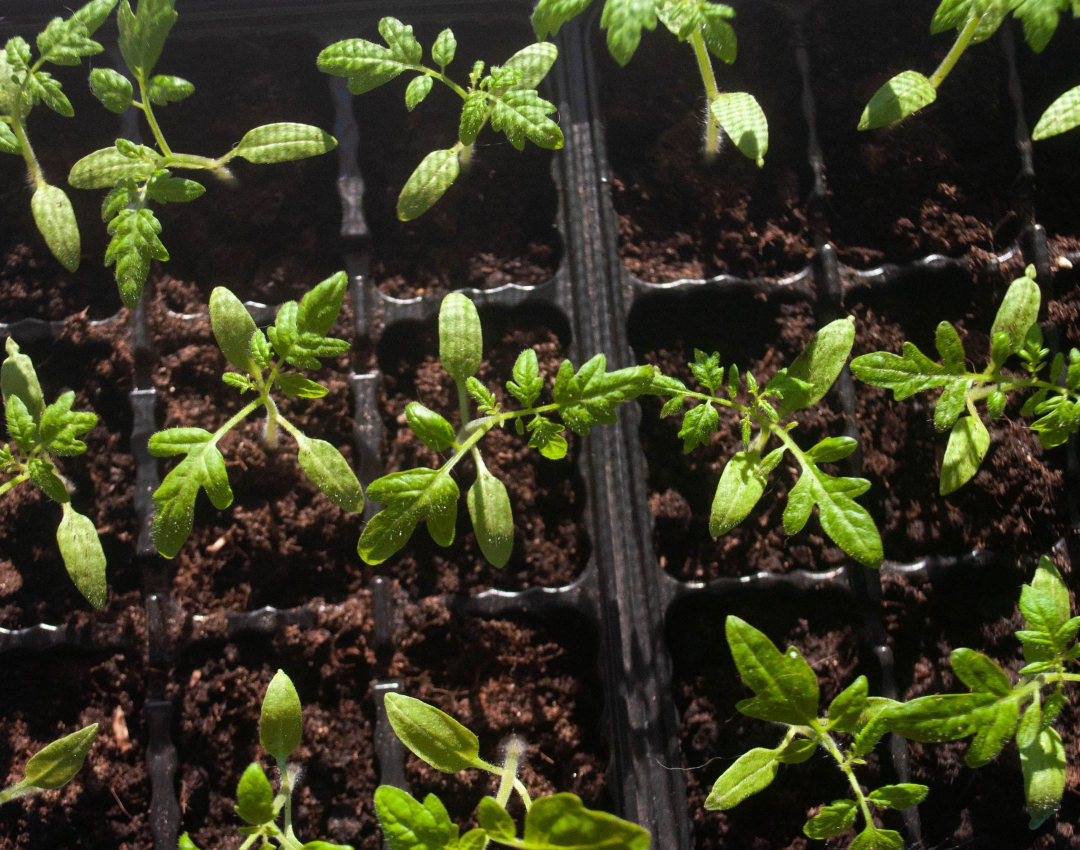
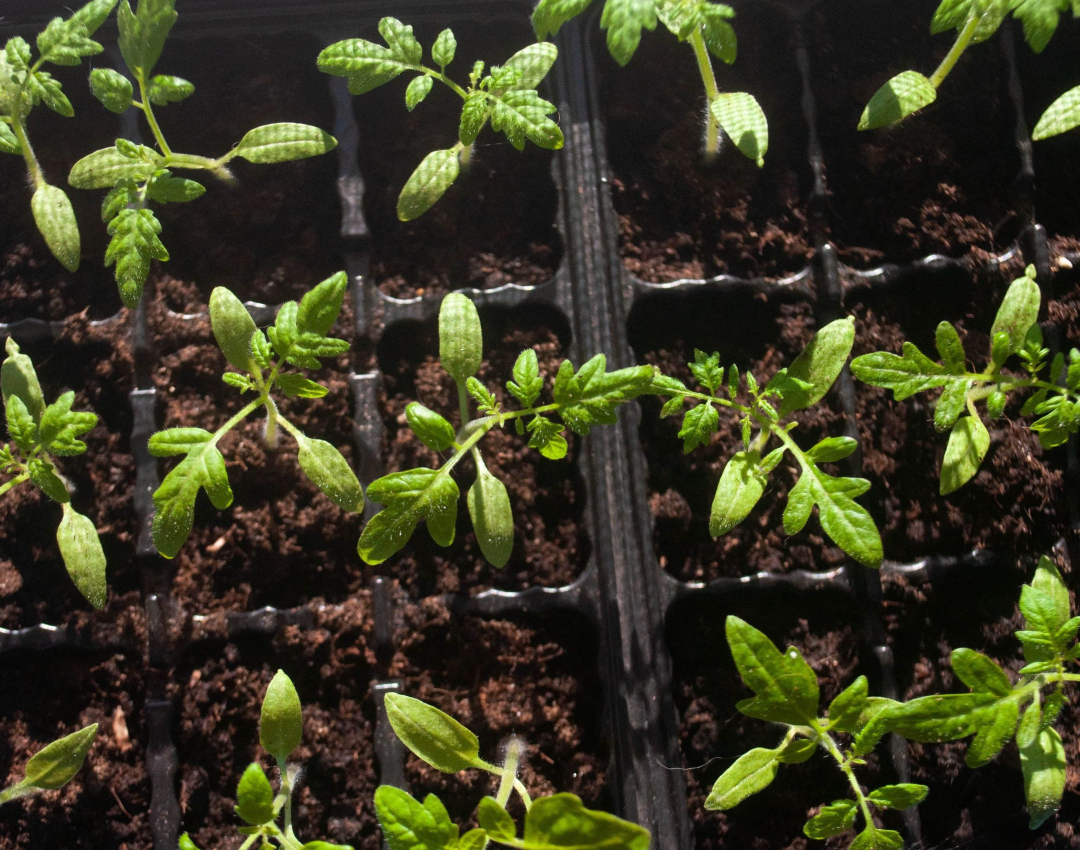
Tomato sowing: When and how to sow tomatoes?
Tomatoes are perhaps the most popular crop in gardens around the world. Their vibrant colors, diverse varieties, and rich flavors have made them an indispensable addition to many vegetable gardens. Growing tomatoes from seed, or starting tomato seedlings, can seem like a complex process, but with the right information and a little patience, gardeners, like all avid gardeners, can ensure a bountiful harvest of tomato variety. This comprehensive guide will provide step-by-step instructions and information on the art of growing tomatoes.
When to sow tomatoes?
When to sow tomatoes and when is the right time: Start your adventure with tomatoes, especially beefsteak tomatoes and cherry tomatoes, indoors, about 8 to 10 weeks before the last expected frost. This schedule ensures that when you transplant them, outdoor conditions will be ideal.
How to sow Tomatoes?
The Seed Starting Process
Selecting your tomato seeds, especially disease-resistant tomato seeds: Start with disease-resistant seeds. These seeds provide protection to the tomato plant against many common diseases and provide a higher success rate.
Planting Depth and Soil: Sow seeds approximately 0.5-1cm deep in a quality seed starting mix. This depth provides the seeds with the darkness they need to germinate. If you use Germie kits, press the seed only to its depth and sprinkle a little potting soil on top. You will see, germination in our kits is accelerated and emergence rates are greater because the ideal temperature is reached much more quickly.
Temperature is essential: For successful germination, maintain a constant soil temperature between 20° and 25°C. Consider using a heat mat if starting seeds in cooler environments.
To succeed in your sowing, it is essential to pay attention to transplanting young tomato plants. Transplanting, or transplanting, is the process of transplanting seedlings into individual pots once the cotyledons, or first true leaves, have appeared. The pots give young tomatoes the space they need to develop strong roots.
Before sowing seeds, some gardeners choose to soak seeds to speed germination. Keep the seedling soil moist until the seeds germinate. Also be careful to keep the tomato roots from getting too wet, as this can cause damping off. If you are using our kits, this step is not necessary. Put the water in the tray and by capillary action, the plants will have the ideal humidity.
When the young tomato plants are ready to be transplanted outdoors, wait until the last frosts have passed. Now is also a great time to think about pruning tomatoes to encourage healthy, sturdy growth.
Finally, don’t forget to consider the type of sowing you want to do. Whether you want to sow tomatoes in pots or directly in the ground, each method has its advantages. With the right techniques and a little attention, you can grow your tomatoes successfully and enjoy the fruits of your labor all season long.
In summary, here is a short complete guide to seeding tomatoes and growing them successfully.
Tomatoes are one of the most popular vegetables to grow in your garden. Not only are they delicious, but they are also rich in essential nutrients. Below we will guide you step by step on how to make your own tomato seedlings and grow them successfully. Whether you're a beginner or an experienced gardener, these tips will help you get a bountiful harvest of flavorful tomatoes.
1. Preparing Tomato Seedlings:
– Start by choosing the right tomato varieties suited to your region and preferences. Check seed catalogs or ask your local garden store for advice.
– Tomato seedlings can be started indoors approximately 8 to 10 weeks before the planned outdoor transplant date. We recommend theGermie germination kit size Lbut if you don't have one, you can use clean, sterilized seedling pots or cell trays to sow the seeds.
– Fill the cells or pots with a quality seedling soil mix. If you use agermination kitGermie, refer to the user manual.
– Sow the tomato seeds at a depth of around 1 cm if you use classic pots. Lightly cover the seeds with potting soil and lightly pack the soil.
– Place kits or pots in a warm, bright location, such as a greenhouse or sunny interior window sill. Maintain a constant temperature of around 20 to 25°C to promote germination.
2. Tomato Seedling Care:
– Water tomato seedlings regularly to keep the soil slightly moist, but avoid overwatering to prevent root rot.
– When the seedlings have developed their first true leaves, you can transplant them into larger individual pots. Handle seedlings with care to avoid damaging the fragile roots. With our kits, the extraction of seedlings is very easy thanks to the design of our products.
– Provide support for taller tomato varieties by gently tying the stems to stakes or stakes as they grow.
– Fertilize tomato seedlings with a balanced fertilizer according to the manufacturer's recommendations. This will help promote healthy, vigorous growth.
3. Transplanting Tomato Plants:
– Wait until all risk of frost has passed before transplanting the tomato plants outside. This is usually around mid-May, but may vary depending on your region.
– Choose a sunny location in your garden with well-drained soil rich in organic matter. Prepare the soil by weeding it and enriching it with compost.
– Dig holes deep enough to accommodate the tomato plants. Space them about 60 to 90 cm from each other to allow good air circulation.
– Carefully remove the tomato plants from their pots, taking care not to damage the roots. Place them in the holes and fill with potting soil, lightly packing the soil around the plants.
– Water tomato plants thoroughly after transplanting to help them establish themselves in their new location.
4. Care of Growing Tomato Plants:
– Water tomato plants regularly, taking care not to wet the leaves to avoid fungal diseases. Regular, regulated watering is essential to keep the soil moist but not soggy.
– Mulch around tomato plants to help retain soil moisture, reduce weeds and maintain a more consistent soil temperature.
– Prune tomato plants by removing suckers (the shoots that form in the leaf axils) to promote more vigorous growth and better air circulation.
– Fertilize the plants every two weeks with a fertilizer rich in potassium to promote fruit production.
– Watch for signs of disease or pests such as aphids, slugs or fungal diseases. Treat them quickly to avoid infestation or spread.
By following these simple steps, you can make your own seedlings and grow them successfully in your garden. Remember to choose suitable varieties, provide proper care for seedlings and growing plants, and watch for signs of disease or pests. With a little patience and attention, you will be rewarded with a bountiful harvest of flavorful tomatoes throughout the summer season. Happy growing!
THE GERMIE RANGE - THE ONLY Infinitely REUSABLE KITS
Post a comment
By card and PayPal
For orders over €45
Our goal: 100% satisfaction
More information