
Stratifying pits and seeds: the cold trick that wakes them up
Published by Germie in Germination the 05/11/2026 at 16:35

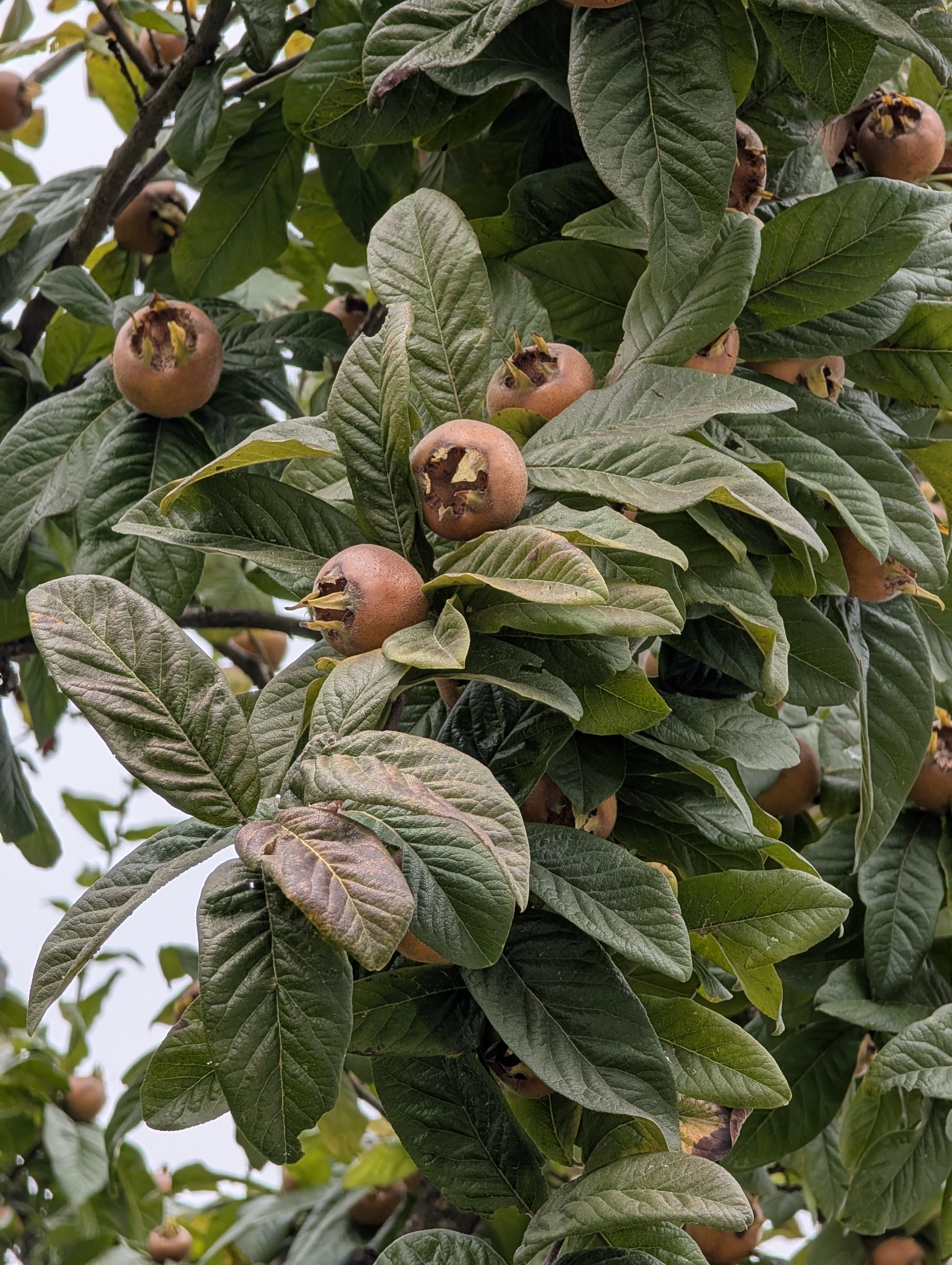
You planted a peach pit or an almond in September and nothing came up? That's normal: these seeds are waiting for winter. Stratification means reproducing what happens in nature when a fruit falls from the tree — putting seeds into "dormancy" through moist cold. Autumn is precisely the season to start a fridge stratification: here is the method, the durations by species, and the mistakes that ruin everything.
The principle: simulate winter
- The technique takes its name from the old method of alternating layers of sand and seeds — "to stratify" was to lay seeds in strata.
- Every stratification requires imbibed seeds in moist conditions: a dry seed doesn't "count" the cold.
- The useful range is 0.5 to 5 °C: the bottom of the fridge.
- Allow 1 to 6 months depending on species — in practice, 4 to 8 weeks in the fridge for most fruit trees.
The step-by-step method
- Mix the seeds with sand or a 50:50 sand-peat mix — moist, never sodden.
- Seal in a labelled plastic bag (species + date) and refrigerate at 1-5 °C, ideally around 3 °C.
- Open-air alternative: direct autumn sowing — untreated seeds sown in late autumn or stratified seeds sown in spring produce vigorous seedlings; natural cold does the work.
- If using peat: soak it in warm water then squeeze out all free water.
Durations by species
- Almond: 4-5 weeks, in the fridge or in a pot outdoors — or 26 days at 10 °C with the endocarp intact.
- Prunus (plum, cherry, peach): best results come with 4 months of stratification; some ornamental species need only 1-2.
- Apple: a long period is required; germination can start during stratification itself, at 1.5-4.5 °C.
- Warm then cold stratification: some Prunus first need warmth — 2 weeks at 20 °C then 4 months cold; others 1-2 months at 25 °C then 4-5 months at 1 °C. Check species by species.
- Extreme durations: up to 6-17 months of warm stratification then 3-4 months cold for some difficult species.
The mistakes that cancel everything
- Drying or freezing: if seeds freeze or dry out, stratification stops — and they may enter secondary dormancy.
- Re-drying: never put a stratified seed back to dry — below 10 % moisture, everything is lost.
- Too much water: keep seeds moist, but not wet enough for mould to develop.
- Curiosity: resist the urge to open the bag to peek — every opening warms the contents.
After the cold: sowing
- The sign: sow when the shell splits and the radicle shows — after 3 months of cold, some shells start cracking. That's the moment.
- The timing: sow stratified seeds as early in spring as possible — high temperatures and drying can waste the benefit.
- The move: point the radicle downward, hole made with a pencil; cover with 6-12 mm of clean sand.
- If it germinates too early: drop the temperature to 0.5-1 °C as soon as the radicle elongates, to slow things down.
Winter in the fridge, spring under the lights
While the pits sleep in the cold, it's time to prepare the season: indoor sowing in November-February needs 14-16 h of light — that's where the duo of LED grow light + heating mat takes over from the fridge. And for pits that do NOT need stratification: lemon, orange and avocado germinate straight in the warm.
By card and PayPal
For orders over €45
Our goal: 100% satisfaction
More information