
Avocado (Persea americana): germinate a pit, from seed to plant
Published by Germie in Germination the 05/11/2026 at 16:35

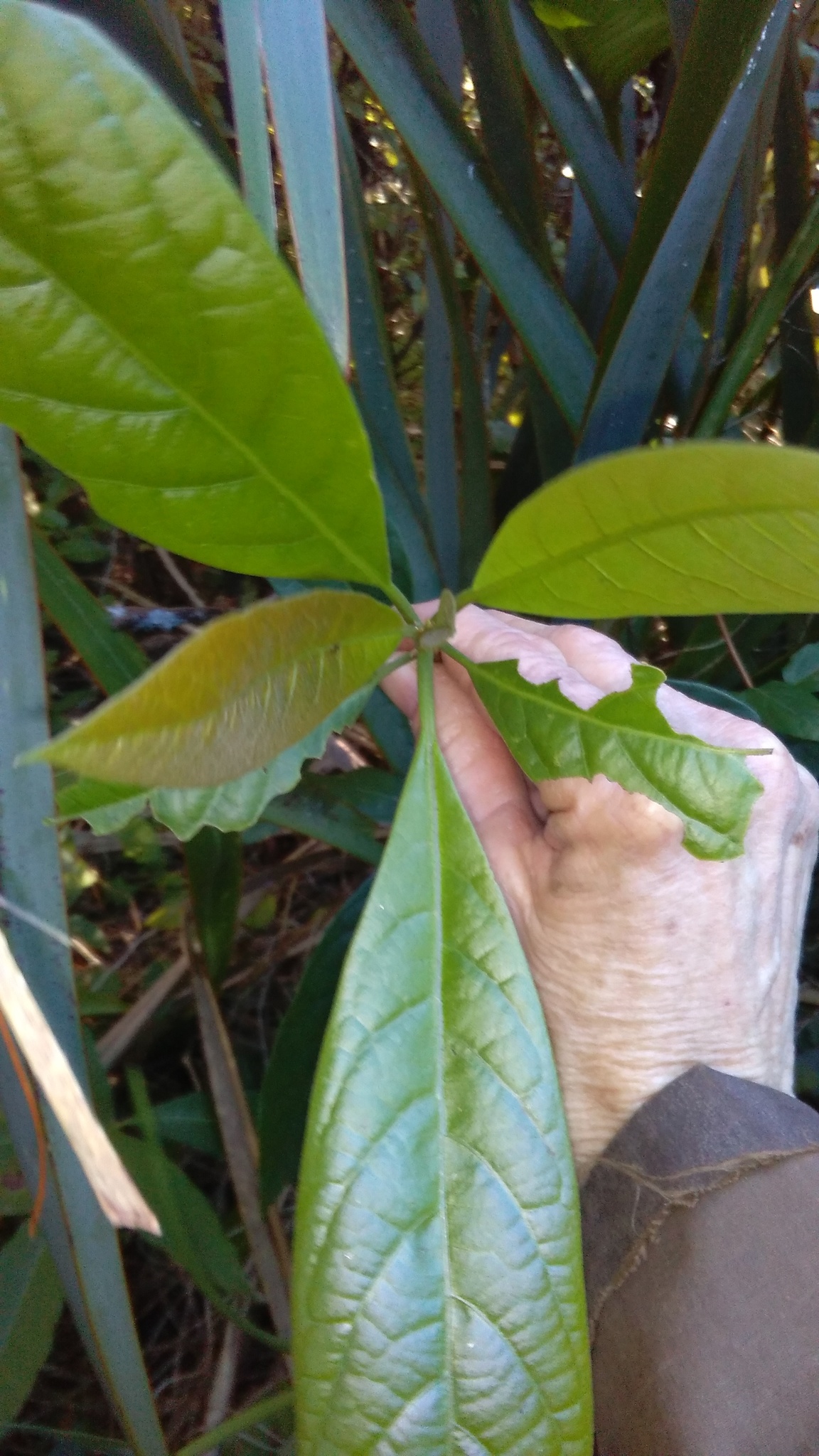
Who has never planted an avocado pit in a glass of water? The avocado (Persea americana) is one of the most rewarding indoor sowings — provided you respect two fundamental rules: the pit is sown fresh, immediately after extraction, and it germinates warm.
Germinating an avocado pit
- The avocado pit is a "recalcitrant" seed: it loses viability when dried and dislikes cool temperatures. Sow it straight out of the fruit — never let it dry or chill.
- Germination temperature: allow 20–25 °C for sprouting, and up to a steady 25–30 °C for faster, stronger emergence.
- Germination is hypogeal: the pit stays in place underground while the shoot rises — don't pull it up to "check".
- Emergence is slow and uneven because of the hard seed coat: allow several weeks and patience.
- Proven tips: removing the brown seed coat speeds germination, and trimming a small piece off both ends of the pit gives quicker, more even sprouting.
Practically: clean the pit, rinse it, and sow it half-buried in a light, draining compost held at 25–30 °C — exactly the range of a seedling heating mat. A germination kit with its greenhouse keeps the humidity this recalcitrant seed demands, and the LED lamp prevents a leggy young plant on a winter windowsill.
From pit to plant
- Let the plant grow to 30–40 cm tall before considering any final planting.
- The avocado is an evergreen tree with a short trunk, large branches and a shallow root system. In pots, pruning keeps its size in check: some cultivars naturally stay under 5–6 m.
Where can it grow outdoors?
- The avocado can only be planted outdoors in frost-free areas — it suits only the mildest climates.
- In light-frost zones, young trees need winter protection for several years or they will die.
- Some cultivars tolerate cold better than others — check before buying if you aim for open ground.
- Choose a sunny position sheltered from winds, especially salt-laden coastal winds.
The critical point: drainage
The avocado fears root rot: soil must be perfectly drained. On heavy ground, plant on a raised mound with no hollow where water could stand. Plant preferably in early autumn or spring, with a light organic mulch kept clear of the trunk, and deep watering that keeps the soil evenly moist without ever waterlogging it.
Will it fruit? The honest answer
- Seed-growing is a long game: grafted trees may flower in their third year, but a pit-grown plant needs far more patience. In mild climates it is common practice to remove fruit for the first two years after planting so the tree builds itself.
- The avocado is largely self-pollinating, with pollination mostly done by bees.
- Beware biennial bearing: a heavy crop year is often followed by a lean one.
- Good news: even without a harvest, a pit-grown avocado remains a superb indoor or conservatory plant.
Harvest and storage
- Fruits can ripen indoors in a paper bag — a ripe banana or apple speeds it via ethylene. An avocado is ready when the stalk pops off and the flesh yields slightly to gentle pressure.
- The flesh oxidises quickly in air: a squeeze of lemon juice helps keep it green.
- If you only use half, leave the pit in the other half, wrap it, and eat it within a day or two.
A bit of history
The avocado originates from Central America, where it was already cultivated some nine thousand years ago alongside maize, tomatoes and chilies. Three races are distinguished — Mexican, Guatemalan and West Indian — preferring semitropical, subtropical and tropical climates respectively.
Want to try? The avocado pit germinates year-round indoors: the complete kit with greenhouse, LED lamp and heating mat gives it a constant 25–30 °C, even in November. And for the month's other jobs, sign up for the newsletter in the footer.
Growing calendar
| JAN | FEB | MAR | APR | MAY | JUN | JUL | AUG | SEP | OCT | NOV | DEC | |
|---|---|---|---|---|---|---|---|---|---|---|---|---|
| Planting | ||||||||||||
| Harvest |
By card and PayPal
For orders over €45
Our goal: 100% satisfaction
More information