
Gardening with the moon in December 2026: the works calendar
Published by Germie in Moon gardening the 19/10/2026 at 08:41

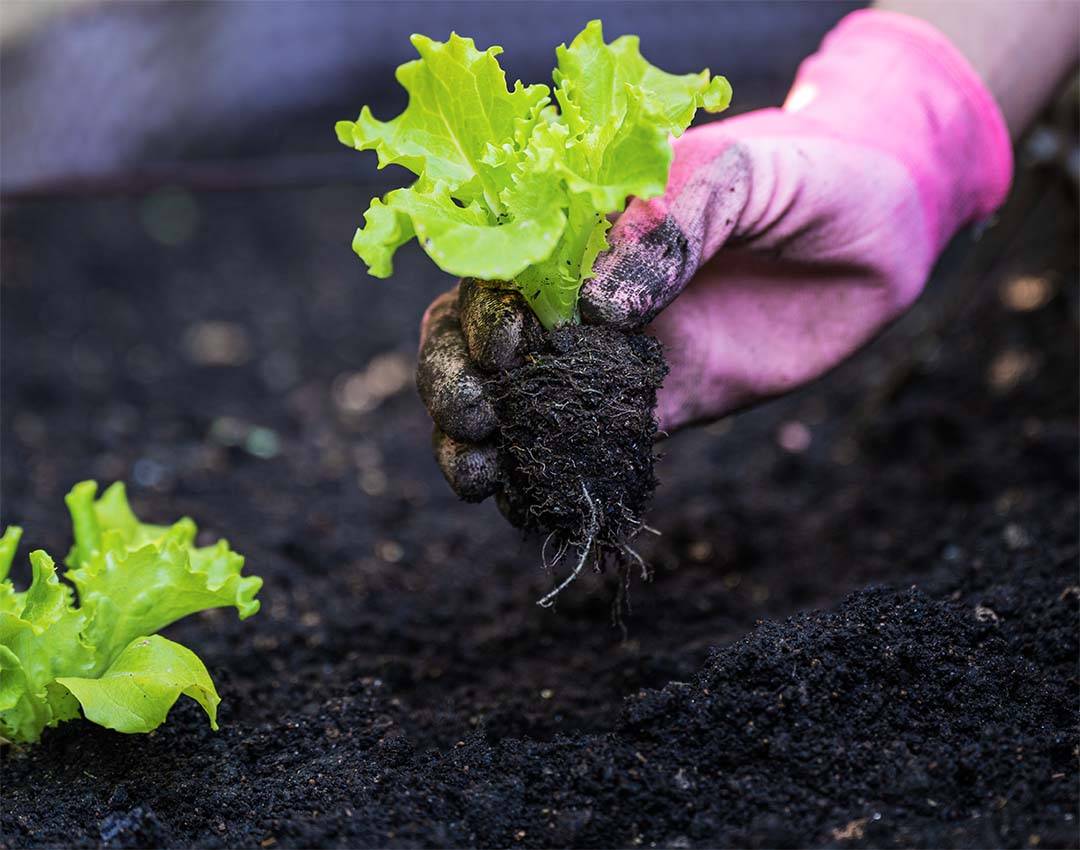
December is the month of paradoxes in the garden: the shortest month in daylight, yet one of the last where planting is still possible before the heart of winter. The moon is descending until the 9th, ascending from the 10th to the 23rd, then descending again to the end of the month — which closes on a rare coincidence: full moon and perigee on the same morning of the 24th. Here is the complete December 2026 calendar and what the lunar-gardening tradition recommends.
The astronomy of December 2026
Moon phases (Paris time): last quarter on the 1st (07:08) · new moon on the 9th (01:51) · first quarter on the 17th (06:42) · full moon on the 24th (02:28) · last quarter on the 30th (19:59).
Do not garden:
- 9 December morning — new moon (traditional rest day)
- 11 December before noon — apogee at 07:33
- 14 December before 14:00 — lunar node
- 24-25 December — full moon at 02:28 and perigee at 09:29 on the same morning: the coincidence traditional calendars treat with the most caution
- 27 December morning — lunar node at 08:52
21 December is the winter solstice: no lunar source forbids gardening that day — older traditions rather made it a root-harvest moment.
The month's great windows
2-6 December: the planting window (descending moon)
The opening week is entirely descending: two seed days then three root days from the 2nd to the 5th — the month's great planting slot. Bare-root fruit trees and shrubs (all species admitted in December, except in snow and hard frost), the last shallots, soft fruit (blackcurrants, redcurrants, raspberries), and on Sunday the 6th, a flower day: roses and ornamental shrubs.
10-12 December: the ascending moon opens winter sowing
The moon turns ascending on the evening of the 9th and crosses the seed days from Thursday the 10th to Saturday the 12th at noon — with the apogee pause on Friday morning. Tradition here opens sowing on a hotbed and under frame: early carrots, lettuces, leek seed (for February transplanting). Outdoors, sowing season is closed — the simple cold frame waits for January-February.
16-19 December: three leaf days for the holiday harvests
From Wednesday the 16th (14:47) to Saturday the 19th, the month's best leaf window: lamb's-lettuce and spinach leaf by leaf, leeks and winter cabbages for the holiday meals, a batch of endives set to force (~10 °C in the dark, about three weeks).
24-25 December: the month's pause
Full moon at 02:28 then perigee at 09:29 — the same morning. The traditions recommend caution when the two coincide; the perigee caution window extends ~24 hours around the instant. Thursday and Friday: rest days at the garden — there are other things to celebrate.
29 December evening - 1 January: the long root window
The year ends on more than two full root days under a descending moon: frost-free planting (fruit trees, roses), root harvests for New Year's Eve, litter checks. The 1st of January is an ordinary root day — a garden walk to check stakes and mulches is the best possible start to the year.
The month's jobs, outside the lunar calendar
- Planting — all month, frost permitting. Bare-root fruit trees and shrubs, roses, soft fruit: the gardeners' calendars admit them in December except in snow and hard frost. Last shallots (window until January).
- Winter protection. Cover what stays in open ground with litter (~15 cm of straw) — lamb's-lettuce, carrots, spinach, chervil — as soon as hard frosts are forecast; artichokes covered at night; frames opened on fine sunny days and doubled at night.
- Winter harvests. Lamb's-lettuce, spinach, leeks, Milan and Brussels cabbages as needed; carrots, parsnips, salsify, scorzonera, Jerusalem artichokes; endives forcing; last keeping fruit (kiwis, medlars) and weekly inspection of the fruit store with fresh air.
- Soil and review. Rough digging of spring beds — the frost will work the soil over winter. Late December: the garden notebook (what yielded, what froze, what to try again) is January's best tool. It is also the right time to know your soil's pH before any amendment.
Beware common wisdom: general fruit-tree pruning is not December work — it belongs to January-February (in December, only the pruning of late pip-fruit species is admitted, frost-free). Simple cold-frame sowings begin in January-February; only hotbed sowings have a December window.
To go further
- What to do in the vegetable garden in December — the month's jobs without the moon
- Understanding the biodynamic garden calendar — the full method
- Gardening with the moon in November 2026 — the previous month
All times given are the real astronomical instants, Paris time. The recommendations belong to the lunar-gardening tradition, not scientific consensus. Published calendars may show different times: each rounds the inadvisable slots in its own way.
By card and PayPal
For orders over €45
Our goal: 100% satisfaction
More information