
Parsnip: the winter vegetable that waits in the ground until April
Published by Germie in Gardening tips the 05/11/2026 at 12:02

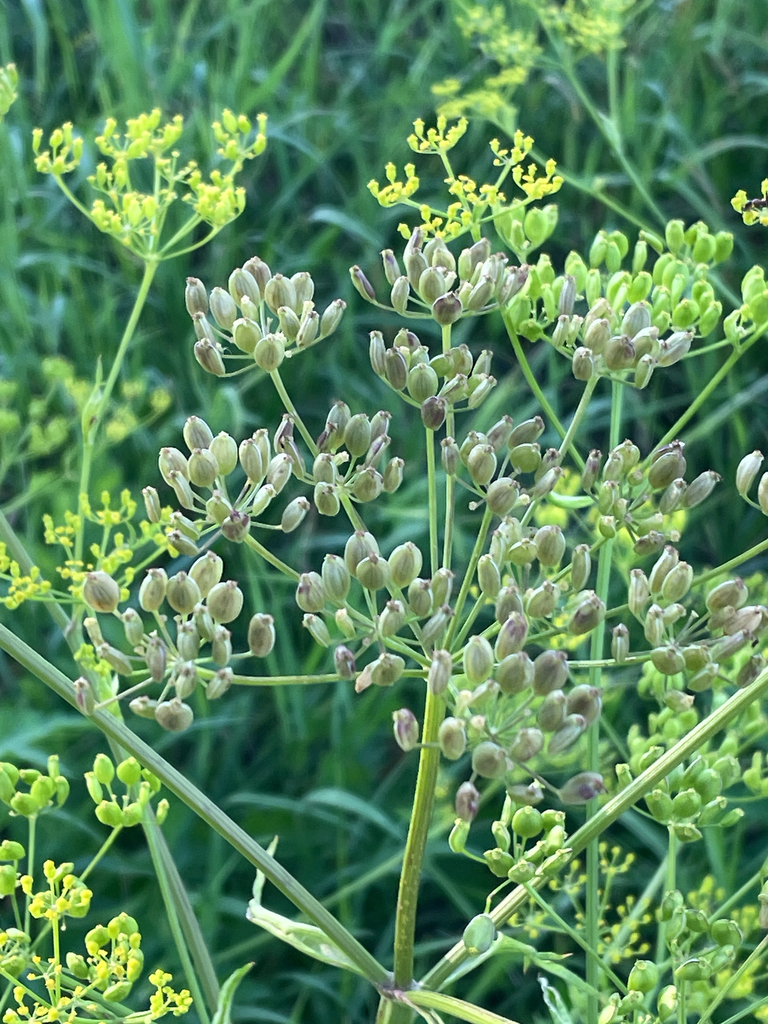
The parsnip has managed the feat of being forgotten by the modern vegetable garden while being nearly impossible to fail: it is sown directly in place, tolerates the coarsest substrates, stores itself in the ground all winter, and is lifted on demand until April. If you want a root vegetable that needs neither cellar nor attention — and that copes with a lazy garden — here it is.
Why the parsnip deserves a spot
Three qualities set it apart from other roots. First its soil tolerance: vigorous "even in a coarse growing substrate", it succeeds where the carrot demands fine earth — on lasagna beds it is actually easier to adopt than the carrot. Then its winter autonomy: classed as a winter vegetable, it "stays in place in the garden without particular care all winter, often until April". Finally its compatibility: it shares the rotation's bed with carrots and salsifies, and accepts a catch-crop association that optimises every square metre.
Sowing: direct, and that's non-negotiable
The parsnip is among the plants that must be sown directly in place — it transplants poorly, and seedlings started in pots lose most of their head start at planting out. It is sown in rows, in March, possibly in April, as large membranous seeds. The clever trick documented: sow radishes in the same row — the radishes, harvested within weeks, mark the row and free the space before the slow-starting parsnips take it over.
One practical note: it cannot be grown on straw bales — if you garden on bales, the parsnip stays in the soil.
The soil: work with what you have
This is where the parsnip saves the most labour. No need to exhaust your back on surgical tillage: it grows in a coarse substrate, and joins the rotation's group A — double digging with manure. Just one adaptation if your soil is shallow: choose a round-rooted variety rather than a long one, which doesn't need depth.
Care: nothing to report
No specific care is documented during the growing season — no prescribed hoeing, no calibrated watering. Once up, the parsnip manages alone until winter. That is its Apiaceae strength: its carrot and parsley cousins demand more watching, it does not.
Harvest: all winter, on demand
No precise dates are documented — the status speaks: a winter vegetable, which stays in the ground all winter and often until April. Lift as needed, with a fork, while the root stays impeccable under the surface. Exactly like the Jerusalem artichoke or the winter leek: the soil is the cellar.
Storage: the earth, period
No cellar or sand-box storage is documented for the parsnip — clamping is described for beetroot, carrot, turnip and celeriac, not for it. In practice it is simple: it is left in the ground and lifted progressively, until spring sends it to seed. And on this point the corpus is silent about the kitchen — no recipe, no nutritional values appear in it; we'll spare you the superlatives.
What the corpus doesn't say
Honestly: sowing spacings, yield per m², out-of-ground storage life and the photosensitising sap (often cited elsewhere) are not documented in our sources. What is certain: sown direct in March-April, self-tended, harvested in the ground all winter — that is the complete scheme.
The parsnip is the Jerusalem artichoke's perfect companion: one plants by tubers and never moves, the other is sown once and forgotten — both are harvested on demand until spring. Next logical reads: the Jerusalem artichoke, then storing the winter harvest for the vegetables that do need a cellar.
Also read: winter mulching — useless for the parsnip which lives without, useful for less hardy roots nearby.
Growing calendar
| JAN | FEB | MAR | APR | MAY | JUN | JUL | AUG | SEP | OCT | NOV | DEC | |
|---|---|---|---|---|---|---|---|---|---|---|---|---|
| Sowing | ||||||||||||
| Harvest |
By card and PayPal
For orders over €45
Our goal: 100% satisfaction
More information