
Jerusalem artichoke: harvest and storage all winter
Published by Germie in Gardening tips the 05/11/2026 at 12:03

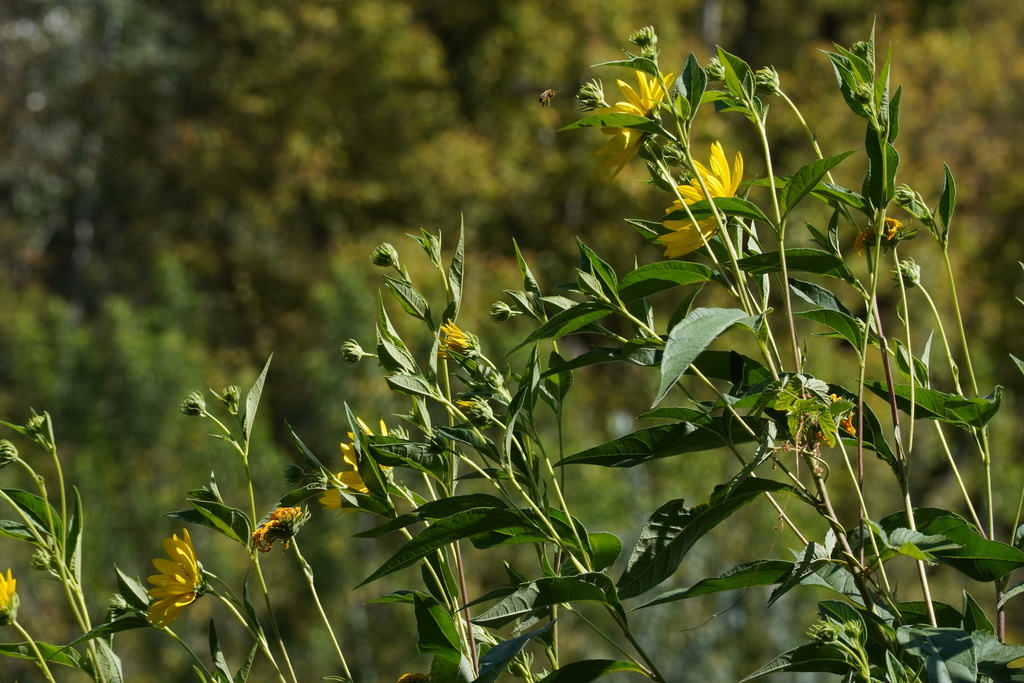
In November, the Jerusalem artichoke's foliage dies back and falls: the signal that the tubers are ready. Good news for the relaxed gardener — this crop almost grows itself, can be forked out right up to April, and needs no cellar at all: the soil does the storing. The complete guide to enjoying it all winter without being overrun.
A vegetable that refuses the cellar
Rule n°1 of the Jerusalem artichoke fits in one sentence: do not lift the tubers ahead of time. Out of the ground they keep poorly — they shrivel fast, whereas left in the soil they stay in perfect condition from November to April, with zero care. The garden becomes your pantry: you take exactly what the meal needs, when it needs it. Same principle as winter parsnips or leeks — except the Jerusalem artichoke is even more self-sufficient.
No cellar, clamp or sand-box storage is documented for it — clamping exists for beetroot, carrot, turnip and celeriac. For the Jerusalem artichoke, the earth does it all.
How to plant it
No sowing possible: the Jerusalem artichoke only multiplies by tubers, set in the ground in spring. That is its one purchase cost — and its growing strength: once installed it restarts each year from tubers forgotten in the soil, which is exactly what makes it invasive.
Soil-wise it is remarkably tolerant: tubers develop properly even in poor, difficult ground. In the rotation it joins the group of plants left in place or lifted yearly, alongside asparagus, globe artichoke and rhubarb. On a raised ridge? No advantage — it is grown on flat ground, quite simply.
Care: the easiest crop in the garden
No in-season care is documented. No prescribed hoeing, no specific watering, no pruning: the Jerusalem artichoke manages alone. Planted early in spring, it grows straight, covers the soil and asks only one thing: room.
Harvest: November to April, as needed
Harvest runs from November to April, while the tops are dead and the tubers sleep underground. The move: lift with a broad digging fork, working wide so you do not wound neighbouring tubers — every wounded root is next year's stray shoot.
Honest numbers: the yield per m² is not documented in our corpus — it varies too much with management for us to invent one. What is certain: a few tubers planted in spring keep producing regular harvests all winter, often well beyond a family's needs.
The one real trap: invasiveness
The Jerusalem artichoke is a "spreading vegetable" — not an insult, a cultivation fact. In square-foot gardens it ranks among the most space-hungry crops, "readily spilling over their squares", together with potatoes and rhubarb. Three rules to keep it in line:
- Give it a fixed spot, at the back of the plot or along a boundary — not in the middle of your beds.
- Harvest thoroughly: every forgotten tuber restarts next year, and wounded roots too. A wide fork and a serious raking limit unwanted regrowth.
- Do not count on mulch to contain it: its vigour punches through most covers.
Bonus: a windbreak that pays for itself
Two metres of dry stems in winter are more than decoration: an artichoke hedge cuts the wind and shelters neighbouring crops. Some gardeners use it as a temporary screen while their fruit hedges grow.
In short: plant it once, harvest for years. The Jerusalem artichoke is the least demanding root vegetable of winter — provided you respect its one quirk: keep it in the ground until the plate. Next logical reads: storing the harvest all winter for vegetables that do need a cellar — then winter mulching for what stays in the soil.
Also read: sowing under a cold frame to keep the garden productive while the artichokes sleep.
Growing calendar
| JAN | FEB | MAR | APR | MAY | JUN | JUL | AUG | SEP | OCT | NOV | DEC | |
|---|---|---|---|---|---|---|---|---|---|---|---|---|
| Planting | ||||||||||||
| Harvest |
By card and PayPal
For orders over €45
Our goal: 100% satisfaction
More information