
Garden week of 9-15 November: new moon and apogee
Published by Germie in Garden calendar the 07/11/2026 at 08:00

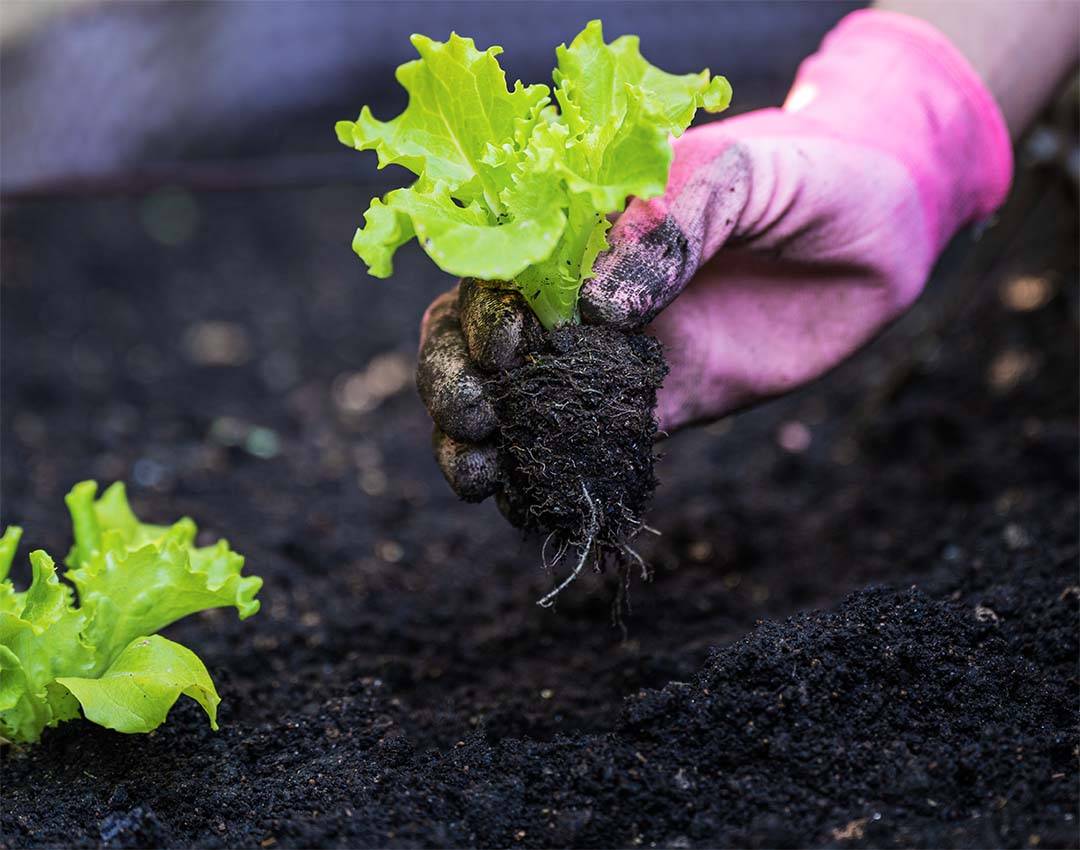
Garden week of 9 to 15 November: new moon and apogee
A transition week in the vegetable garden: the new moon falls on Monday 9 — a rest marker — and apogee blocks Friday 13. In between: flower days for roses, leaf days for lamb's lettuce and leeks, then the ascending moon returns on Thursday.
Contents
- Monday 9: new moon, a rest day
- Mon 9 – Tue 10: flower days
- Tue 10 – Thu 12: leaf days
- Thu 12 – Sun 15: seed and fruit days
- Times to avoid
- FAQ
Monday 9 November: new moon, a rest day
The new moon falls on Monday 9 at 07:02. In lunar-calendar tradition, new moon day is discouraged for gardening — sap is at its lowest and the sky stays dark. It is the right moment to clean tools, bring seeds under cover and prepare the week: it will be busy.
Monday 9 and Tuesday 10 November: flower days
Under a descending moon, the moon crosses the flower constellations until Tuesday 10 at 09:43 — after the new-moon morning pause, Monday afternoon and Tuesday morning are open.
- Plant bare-root roses, shrubs and ornamental trees — under a descending moon, the classic planting slot.
- Transplant the last biennials while the soil is not cold: pansies, forget-me-nots, wallflowers for spring.
- Protect tender plants from frost: fleece, mulching the crowns, bringing pots indoors.
Tuesday 10 to Thursday 12 November: leaf days
From Tuesday 09:43 until Thursday 13:58, the leaf days take over — the great window for winter leaf vegetables (the moon turns ascending on the way, Thursday at 09:31).
- Harvest lamb's lettuce, spinach, leeks and winter cabbages for the week.
- Bring in chicory roots for forcing if not yet done: lift the roots, trim leaves to 2-3 cm, set them in the dark.
- Earth up and mulch artichokes before the first frosts; bring under cover the cabbages held in reserve.
Thursday 12 to Sunday 15 November: seed and fruit days
On Thursday 12 at 09:31 the moon turns ascending — end of the descending cycle. From 13:58, seed and fruit days begin, with a pause imposed by Friday's apogee.
- Plant bare-root fruit trees and bushes on Saturday 14 and Sunday 15 morning.
- Sow broad beans in mild areas — autumn's last sowings.
- Harvest the last keeping fruit: apples and pears for storage.
Times to avoid this week
- Monday 9: new moon at 07:02 — a garden rest day, by tradition.
- Friday 13: apogee at 17:45. The moon is at its furthest from Earth. Traditions diverge: French calendars advise caution up to 48 h either side of the instant, while other currents judge apogee favourable for some harvests. By convention, we mark the day as cautious — push delicate work to Saturday 14.
FAQ
What exactly are apogee and perigee?
The moon orbits on a slightly oval path: perigee is where it is closest to Earth, apogee the furthest point. Lunar-calendar tradition judges these passages unsettling and advises not gardening — our agendas flag them with the real time.
When does the ascending moon return?
This very week: Thursday 12 November at 09:31. The moon starts climbing in the sky again — in the calendar, that brings back sowing and harvests for quick eating.
Real astronomical times, London time (GMT). Seasonal tasks follow traditional gardeners' calendars; lunar recommendations belong to tradition.
Last week: 2 – 8 November, the garlic window · the method: understanding the biodynamic calendar · the year: lunar calendar 2026-2027.
By card and PayPal
For orders over €45
Our goal: 100% satisfaction
More information