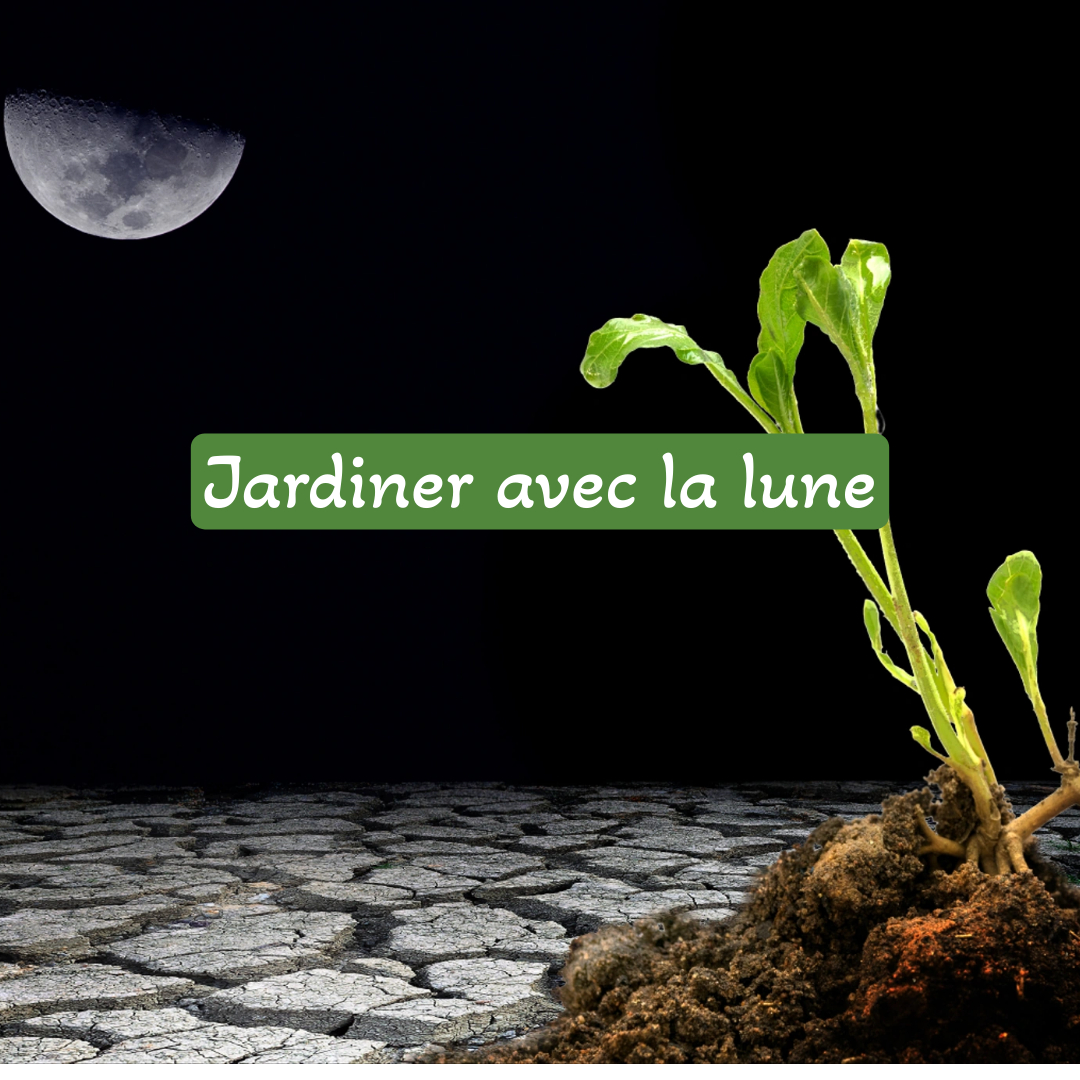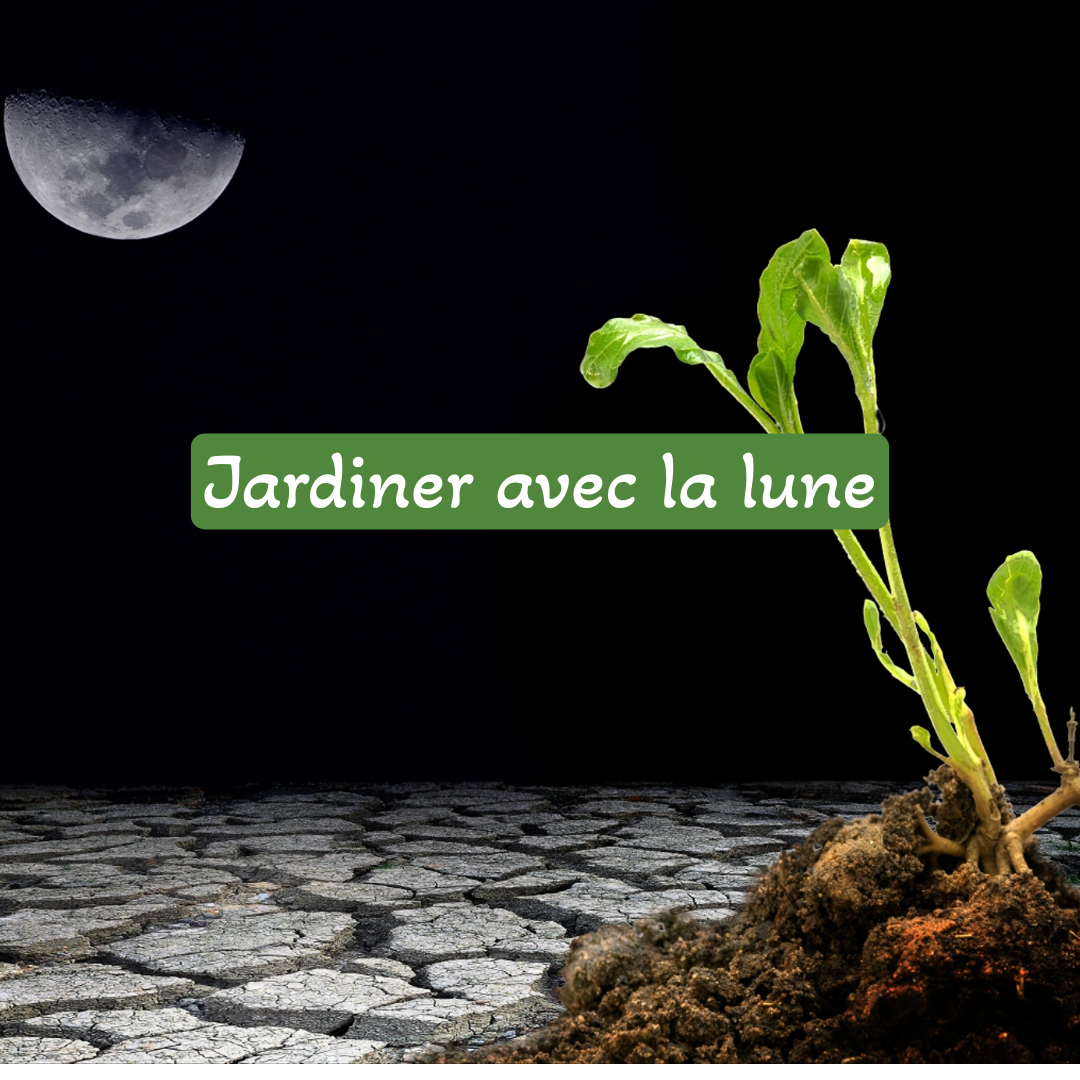
Gardening with the moon is based on a fascinating concept: the influence of lunar phases on plant growth. Experienced gardeners know that each lunar phase has a unique impact on the development of crops.
Importance of lunar phases: They play a crucial role in the plant growth cycle, influencing the ideal time to sow, plant, prune and harvest.
Purpose of this article: guide you through the different lunar phases and show you how to use them to optimize your gardening activities.
By integrating this knowledge into your daily practice, you can create a more harmonious and productive garden.
Understanding the lunar phases
The lunar phases are a natural cycle that includes four main stages:new moon, first quarter, full moonandlast quarter. Each phase lasts approximately 7.4 days, creating a complete cycle of approximately 29.5 days.
The moon exerts a gravitational influence on Earth, affecting not only the tides but also the soil and the moisture it retains. This interaction plays a crucial role in plant growth. For example, during the full moon, sap rises in plants, promoting germination and flowering.
Taking lunar cycles into account in your gardening activities can maximize your yield. Experienced gardeners know that:
Root Days: ideal for planting root vegetables.
Flower Days: optimal for sowing and harvesting flowers.
Fruit and Seed Days: promote fruit development.
Leaf Days: suitable for pruning and planting leafy vegetables.
Adopting this approach aligns your efforts with natural forces, increasing the harmony and productivity of your garden.
Gardening with the moon: the different phases and their impact on your garden
Gardening with the moon relies on four main phases that influence plant growth. Each of these phases has specific characteristics and recommended gardening activities.
New Moon: this phase represents the beginning of the lunar cycle. This is a great time to sow seeds, especially those growing underground. Root days are favorable, which means you can plant root vegetables like carrots and beets.
First district: during this phase, the light of the moon begins to grow. This is a good time to plant leafy vegetables and prune your plants. Leafy days are preferred, so remember to sow parsley, lettuce or even maintain your aromatic herbs.
Full moon: the moon is at its peak, bringing a strong gravitational influence. This is the ideal time for harvesting ripe fruits and vegetables. Fruit and seed days encourage the collection of produce like tomatoes and zucchini.
Last quarter: this phase indicates the decrease in lunar light. It is advisable to carry out cleaning work in the garden or to prepare the soil for future crops. Flower days are also suitable for sowing annual flowers.
By taking these lunar phases into account, you can optimize your gardening activities and promote healthy growth in your vegetable garden.
Garden planning according to the lunar calendar
Use alunar calendarto plan your gardening activities can transform your approach and improve your yields. Here's how to do it:
Choose a suitable calendar: opt for a calendar that clearly indicates the lunar phases as well as the days suitable for different activities in the garden.
Identify the cycles: take note of the different lunar phases and associate them with crop types. For example, use root days for planting root vegetables and fruit days for fruit plants.
Plan your sowing and harvesting: Organize your calendar based on recommended planting, pruning and harvest times. This will allow you to synchronize your efforts with the gravitational influence of the moon on the ground.
Adapt to climatic conditions: take into account the weather forecasts while respecting the lunar phases. Good synchronization between these elements maximizes your returns.
Integrating a lunar calendar into yourgardening planningnot only optimizes plant growth, but also promotes a deeper connection with nature. This traditional method enriches the gardener's experience and contributes to a harmonious garden.
Conclusion
Incorporating gardening with the moon into your daily practice can transform the way you grow your plants. Thebenefits of moon gardeningare numerous:
Improved plant growth
Optimization of yields
Creation of a more harmonious and balanced garden
By following a lunar calendar, you can synchronize your gardening activities with the lunar phases. This allows you to take advantage of natural cycles to maximize your success in the garden. Adopt this ancestral approach to discover the wonders of gardening in phase with the moon.