
Kale: apple-free cabbage that loves the cold
Published by Germie in Vegetables the 19/11/2026 at 08:00
Kale (Brassica oleracea var. sabellica): cabbage without apples that leaves after each cut, all winter
Thekale(Brassica oleraceavar.sabellica) — garden kale — has long been cultivated for its delicious edible leaves. It's aunheaded cabbage: instead of a head, it produces leaves that are pickedgradually, throughout the winter, starting with the lowest ones so that the plant continues to produce.
The first frosts make its leaves more tender - and there are shapes for all tastes: the classic curly with very frizzy leaves with a peppery taste, the 'Nero di Toscana' with dark and blistered leaves - the famous "cabbage-palm tree" or "dinosaur kale" -, or the decorative 'Redbor' F1 with red leaves. Some cultivars are evenperennialsand produce for three years.
Summary
- Sowing, planting & harvesting periods
- ID card
- From Daubenton cabbage to flower sprouts
- Sowing kale
- Growing Tips
- Harvest leaf by leaf
- Curly, black or red: the varieties
- In the kitchen
- Precautions and confusions
- Frequently asked questions
Sowing, planting & harvesting periods
| JAN | FEB | TUE | APR | MAY | JUN | JUL | AUGUST | MS | OCT | NOV | DEC | |
|---|---|---|---|---|---|---|---|---|---|---|---|---|
| Nursery seedlings | ||||||||||||
| Transplanting / plants in pots | ||||||||||||
| Harvest |
Green: sowing in a sheltered nursery from April to June; in August (mid/end of summer, yellow) for a cabbage that goes through winter. Transplanting from mid-May to mid-June, plants in autumn pots in October (yellow). Orange: the harvest lasts all winter, when the cold makes the leaves more tender.
ID card
- Latin name:Brassica oleraceavar.sabellica— the “Acephala” group, the cabbage that does not apple
- Family: brassicaceae
- Type: biennial — it flowers in the spring following the harvest of the leaves; some cultivars areperennialsand harvestable all year round for about three years, then take cuttings
- Rusticity: “kale are very hardy”; the first frosts soften the leaves
The plant.Most varieties are tall and spectacular, in a range of colors — from bright green to red — and leaf shapes: the classic curly with very frizzy foliage with a peppery taste, the lacinto/Tuscan 'dinosaur kale' with a blistered and flatter leaf like a palm, or the 'Cavolo Nero' literally 'black cabbage'.
What we eat.The leaves — harvested from the bottom of the plant — of which kale also makes awindowsill saladand a good microgreen.
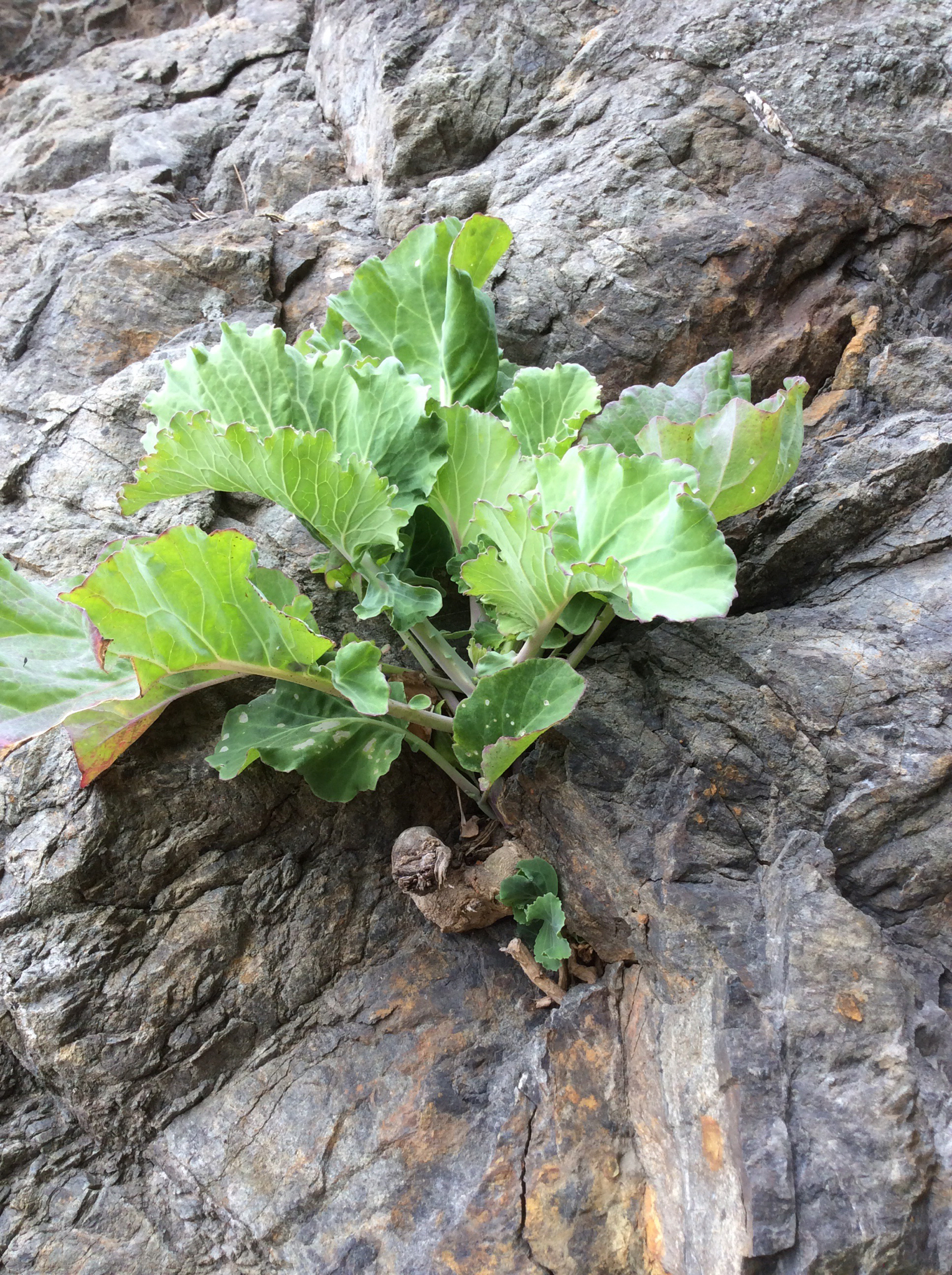
From Daubenton cabbage to flower sprouts
Kale has been cultivated for centuries for its leaves — and some forms have achieved success:'Jersey walking stick kale'of the Channel Islands reached 5.5m (its stems became walking sticks), and the 'East Friesian Palm Kale' exceeds 2m. In the surprising genre, theDaubenton cabbageis a rare perennial cabbage that is propagated by cutting. And for the rest: “flower sprouts”, a recent cross between Brussels sprouts and kale whose shoots open into small kale heads, are the modern addition to the family.
Sowing kale
- For the winter: sowfrom April to Junein a sheltered nursery - one bag per m² approximately, sown by broadcast, raked, packed and watered; or at the end of summer for a plant which will produce all winter, in a seed tray then transplanted into larger pots.
- French rhythm: for winter cabbages (curly, Milan, Brussels), wait until the end of May or the beginning of June; thin out between the end of April and the end of June to keep only one vigorous plant every 5 cm;transplant in rows from mid-May to mid-June.
- Autumn Shortcut: in autumn, we find winter and spring cabbages in pots - plant them in place of the tomatoes, peppers and basil which are dying.
Growing advice: cool, sheltered, winter sun
- Exhibition: locationsheltered, well-drained soil — especially for wintering; it tolerates a little shade butthe more sun there is, the better the harvest will be, especially in winter.
- Soil and pH: kale prefers a pH5.5 to 6.0and a slightly cooler temperature — it grows better in a cool to warm range than in heat.
- Seasonality: with lettuce, chard and carrots, it is among the vegetables that work in all seasons; it is even listed among kitchen microgreens alongside mustard, arugula, spinach and basil.
- Pests: not specifically documented in our sources for this variety.
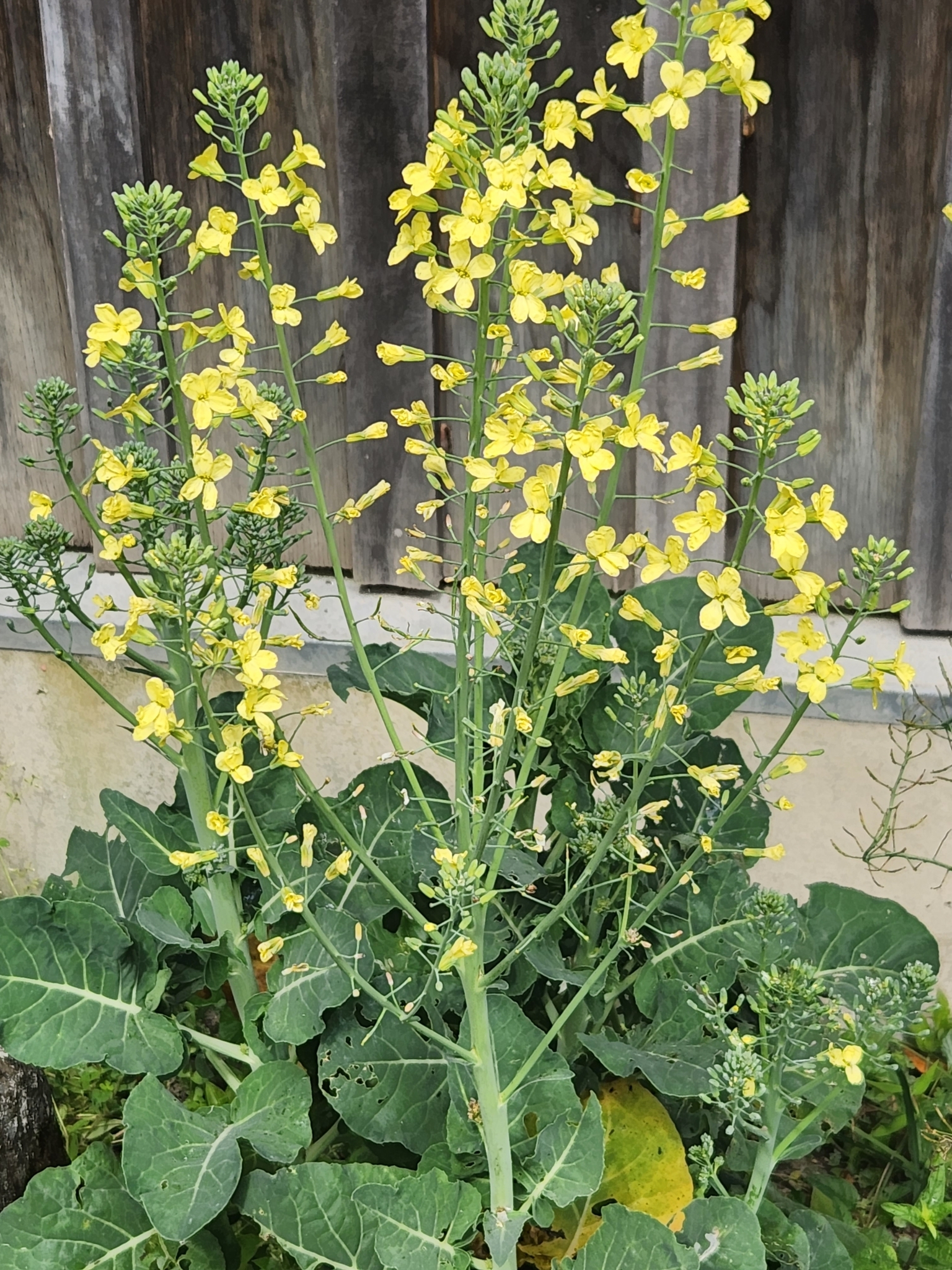
Harvest leaf by leaf, all winter
- The method: harvestlowest leaves first— the plant thus continues to grow; only take ~30% of the plant at a time so it grows back quickly.
- The rhythm: Kale grows slowly once the cold weather sets in — pick a little from each plant, when you need it.
- The season: all winter — the first frosts make the leaves more tender; winter cabbages are picked from the vine as needed.
- Perennials: perennial cultivars are harvested all year round and produce well for around three years, then replaced by cuttings.
Curly, black or red: the varieties
- 'Dwarf Green Curled'— the curly dwarf with rich green leaves, 60 cm
- 'Nero di Toscana' / 'Cavolo Nero'— Tuscan “black cabbage”, dark green, blistered, flatter leaves — “palm cabbage” or “dinosaur kale”
- 'Redbor' F1— decorative, red leaves
- 'Great Green of the North'— more than one meter, for big leaf lovers
- 'East Friesian Palm Kale'— the curly giant at more than 2 m
- 'Jersey walking stick'— the record holder at 5.5 m cultivated in the Channel Islands
In the kitchen
Kale leaves are eaten — our sources classify it among salad leafy vegetables and cite it aswindowsill microgreen. The classic frisé has a peppery taste; the cold softens the leaves.
Precautions and confusions
The cabbage that is not an apple.Kale isBrassica oleraceavar.sabellica, Acephala group — “headless”; do not confuse it with headed cabbages. Note for rereading: “palm cabbage” appears in the corpus as the usual name for 'Tuscan Black', without being a declared synonym of the species - the context associates it with kale. Specific associations, diseases and pests:not documented in our sources. Special precautions: not documented. As always: never consume a plant without having identified it with certainty.
Frequently asked questions
When to sow kale?
In a sheltered nurseryfrom April to June, transplanting mid-May to mid-June — or at the end of summer for a plant that will produce all winter.
How to harvest kale?
Leaf by leaf, starting at the bottom, a little on each plant — no more than 30% at a time for it to regrow. Production runs all winter.
Does kale fear the cold?
No — “very rustic”; the first frosts even make its leaves more tender. In winter it grows slowly but continues to produce.
What is the difference between kale and kale?
None: “kale” is the French name for kale —B. oleraceavar.sabellica, the unheaded cabbage from which the leaves are picked.
Can we keep a plant for several years?
Yes for certain perennial cultivars: they produce well aroundthree years, then are easily replaced by cuttings – Daubenton cabbage is the best known.
Kale likes cool, sheltered soil — before late spring planting,Gardiscanmeasure pH and texture of your soil, andgermination kitsGermie start your nursery seedlings.
By card and PayPal
For orders over €45
Our goal: 100% satisfaction
More information