
How to Ripen Green Tomatoes: The Ultimate Guide
Published by Germie in Vegetables the 19/09/2026 at 00:42

Introduction
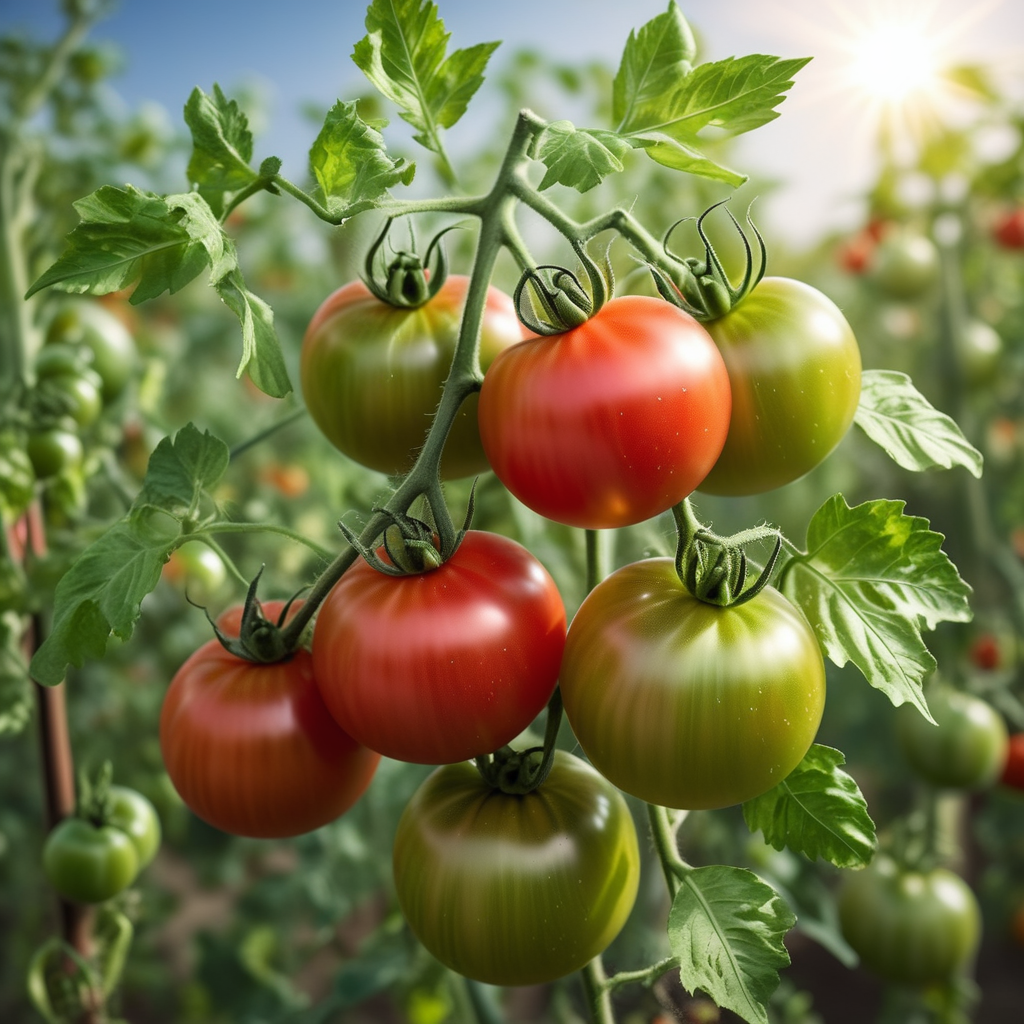
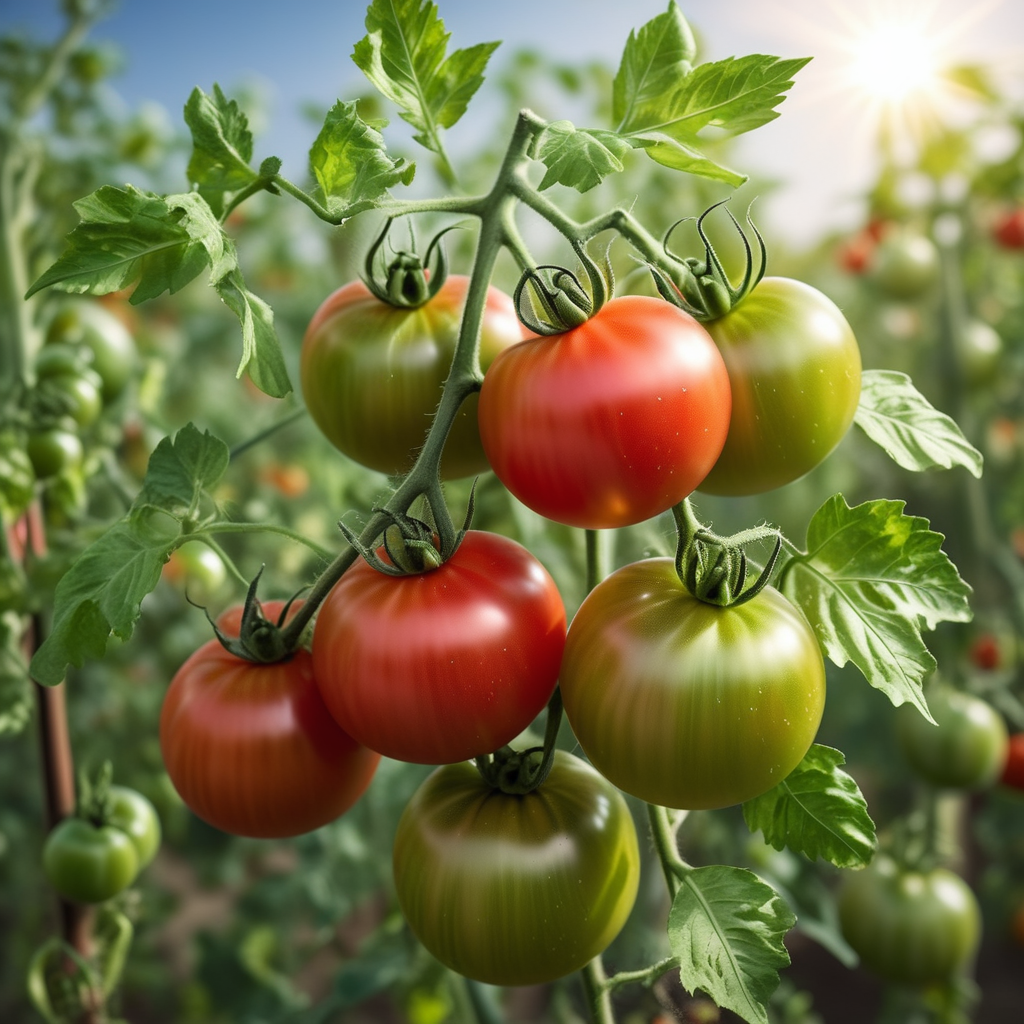
How to ripen green tomatoes? This is a question that many gardeners and cooking enthusiasts ask themselves. Tomatoes occupy a central place in our dishes: tomato sauce, salad, ratatouille, they are omnipresent. However, it happens that some tomatoes remain green even at the end of the season.
The aim of this article is to provide you with a complete guide on theripening of green tomatoes. You will discover the reasons why your tomatoes are not turning red and effective methods to ripen them at home. Whether you're an avid gardener or just someone who loves cooking with fresh ingredients, this guide is for you.
Understanding Tomato Ripening
What is ethylene and its role in ripening?
Ethylene is a plant hormone essential in the ripening process of fruits, including tomatoes. This colorless and odorless gas acts by triggering chemical reactions that soften the flesh of the fruit, change its color and improve its taste. By trapping ethylene around the tomatoes, like in a paper bag, you can speed up their ripening.
Climacteric fruits and their ability to continue to ripen after harvest
Tomatoes are climacteric fruits, meaning they can continue to ripen after being harvested. Unlike non-climacteric fruits, such as peppers or cucumbers, tomatoes continue to produce ethylene after picking. This allows tomatoes to be harvested before they are fully ripe and to control their ripening later.
Tomato varieties and their characteristics
Some varieties of tomatoes stay green even when ripe. Here are some examples:
- Green Zebra: this variety is distinguished by its green color striped with yellow. It offers a slightly tangy flavor.
- Fat White: these ripe white tomatoes have sweet and juicy flesh. Their unusual appearance makes them popular for creative dishes.
- Green Grape: small and sweet, these tomatoes are ideal for salads or as a decorative garnish.
These varieties show the diversity of tomatoes and highlight the importance of knowing specific characteristics to manage their ripening effectively.
Why don't tomatoes turn red?
Thereasons for non-ripening of green tomatoesare multiple and can be linked to various factors:
- Unique variety and immaturity: certain varieties of tomatoes, such asGreen Zebraor theFat White, remain naturally green once ripe. For other varieties, premature harvesting can prevent the full ripening process.
- Temperatures too high or low for tomatoes: Temperatures play a crucial role in the ripening of tomatoes. Temperatures above 29°C or below 10°C can inhibit the production of ethylene, the hormone responsible for ripening. Ideal conditions are between 20°C and 25°C.
- Role of nutrients (potassium, magnesium): a potassium or magnesium deficiency can also delay ripening. Potassium is particularly important because it helps regulate the absorption of water and nutrients by the plant, thus promoting balanced fruit development.
Environmental and nutritional factors must be carefully managed to ensure your tomatoes reach their full flavor and color potential.
Harvesting and storage methods to promote ripening of green tomatoes
Best practices for harvesting tomatoes at the correct stage (breaker stage)
To harvest green tomatoes at an optimal stage, it is crucial to pick them when they reach thestage breaker. At this point, the tomatoes will begin to change color slightly, from green to pale yellow or pink. This moment is ideal because:
- The tomatoes have accumulated enough nutrients.
- They are less prone to damage and cracking.
- They do not suffer from sunburn.
Tips for storing green tomatoes to optimize their ripening
Once harvested, proper storage is essential to optimize ripening of green tomatoes. Here are some tips:
- Ideal temperature: store them in a room with a temperature between 20°C and 25°C, away from direct light.
- Using paper bags: Place tomatoes in a paper bag to trap ethylene, a natural gas that speeds up the ripening process. Adding a banana or apple to the bag can further stimulate this process.
- Avoid the refrigerator: Refrigeration significantly slows ripening and can affect the texture and flavor of tomatoes. Use this method only as a last resort.
These simple techniques will help you answer the question "How to ripen green tomatoes?" » effectively while preserving their taste and quality.
Effective Techniques to Ripen Your Green Tomatoes at Home
Ripening Tomatoes Indoors: Ideal Conditions
To effectively ripen your green tomatoes at home, it is crucial to master the following conditions:
- Temperature: maintain an ambient temperature between 20°C and 25°C. Lower temperatures slow the ripening process.
- Light: contrary to what one might think, light is not necessary for ripening. You can therefore store your tomatoes in a dark place, such as a cupboard or drawer.
Using paper bags to trap ethylene
Paper bags are a practical tool for speeding up the ripening of green tomatoes. By placing your tomatoes in a paper bag:
- Ethylene: the bag traps ethylene, a natural gas emitted by fruits which promotes their ripening.
- Ventilation: Make sure the bag is slightly open to allow adequate ventilation, preventing mold from forming.
Adding bananas or apples to the bag
To further boost the ripening process:
- Add a banana or applein the paper bag with your green tomatoes. These fruits produce a large amount of ethylene.
- Check regularlythe ripening progress every two days to prevent the fruit from becoming overripe or spoiling.
These methods of ripening green tomatoes at home are simple but effective. By adjusting the conditions and using practical tips, you can enjoy perfectly ripe tomatoes even after harvest.
Monitor and evaluate the ripening process of green tomatoes using practical indicators
How do you know when a tomato is ready?
To determine the ripeness of your green tomatoes, use thepressure test. Here's how to do it:
- Lightly squeeze the tomato with your finger or a suitable utensil.
- A ripe tomato should yield slightly under pressure, indicating that it is ready to eat.
Time required for different varieties of tomatoes to turn red depending on room temperature
Ripening time varies depending on variety and environmental conditions:
- At 20-25°C: The majority of tomato varieties take approximately2 weeksto mature.
- At 13°C: The process can extend to3-4 weeks.
- Temperatures below 10°C considerably slow ripening and affect flavor.
Regular monitoring and adjustment of conditions allows you to optimize the process and obtain tasty tomatoes.
Additional Tips for Optimal Gardening and a Better Tomato Harvest
To optimize the cultivation of green tomatoes, severalgardening tips specific to green tomato plantsare essential:
- Sun exposure: Place your tomato plants in a location where they receive direct sunlight for several hours a day. Sunlight is crucial for their growth and development.
- Regular but moderate watering: Water your tomato plants regularly, but be careful not to flood them. Excess water can harm the roots and affect the ripening process of tomatoes. Use well-drained soil to prevent water accumulation.
- Liquid fertilizer rich in potassium: use a fertilizer specially formulated for tomato plants, rich in potassium. This nutrient is essential to improve the overall development of tomatoes and promote their ripening.
These practices not only ensure good health of the plants but also a better harvest with tasty fruits.
Creative recipes with unripe tomatoes: explore their culinary potential
Cooking with unripe tomatoes can open up a world of culinary possibilities. These fruits, still green but full of distinctive taste, can be used to make innovative recipes using this variety.
Creative ideas
- Tasty jams: Green tomatoes can be made into delicious jams. Their natural acidity pairs perfectly with sugar, creating a unique flavor that can accompany your breakfasts or desserts.
- Original sauces: prepare original sauces using unripe tomatoes. Their firm texture and slightly acidic taste add a touch of freshness to your pasta or meat dishes.
Reduction of acidity
Reducing the natural acidity of green tomatoes is essential for some recipes. Here are some tips:
- Use of sugar: adding sugar to your preparations can balance the acidity of the tomatoes. This is particularly effective for jams and sauces.
- Complementary mild ingredients: Incorporating other sweet ingredients like honey or cooked carrots can also help soften the acidity while enriching the overall flavor of the dish.
Experimenting with unripe tomatoes allows you to explore their culinary potential while diversifying your recipes.
Final conclusion: a complete guide on how to effectively ripen your own crops while exploring their culinary potential!
Experimenting with different methods of ripening green tomatoes can be a rewarding adventure. You'll discover that each step, from gardening to food preparation, offers unique opportunities for learning and creativity.
- Personal reflection on the overall experience of gardening and culinary processing of green tomatoes: Growing and processing your tomatoes not only allows you to better understand natural cycles but also to get the most out of your harvest.
- How to ripen green tomatoes?: By following the techniques shared in this guide, you can optimize the ripening of your tomatoes while exploring their varied culinary potential.
Feel free to adapt these tips to your specific conditions. Happy gardening and happy cooking!
Frequently asked questions
How to ripen green tomatoes quickly?
To ripen your green tomatoes quickly, place them in a paper bag with a banana or apple. These fruits emit ethylene, a hormone that promotes ripening.
What is ethylene and what is its role in ripening tomatoes?
Ethylene is an essential plant hormone that plays a key role in the fruit ripening process. It helps trigger the chemical reactions necessary for tomatoes to go from green to ripe.
Why aren't my tomatoes turning red?
Several factors can prevent tomatoes from turning red, including unfavorable weather conditions, a lack of ethylene, or harvesting fruit too early. Make sure you harvest at the right time and provide optimal conditions.
What are the best practices for harvesting tomatoes?
It is recommended to harvest tomatoes when they reach the breaker stage, that is to say just before they start to change color. This ensures that they will continue to ripen properly after harvest.
How do you know when a tomato is ready to eat?
To determine if a tomato is ready, check its color and texture. A ripe tomato should be uniform in color and slightly firm to the touch. If it's too hard, it's probably not ready yet.
Can you cook with unripe tomatoes?
Yes, unripe tomatoes can be used in various creative recipes like jams or cooked dishes. They offer a unique taste and can also be processed to reduce their natural acidity.
By card and PayPal
For orders over €45
Our goal: 100% satisfaction
More information