
Turnip-rooted chervil (Chaerophyllum bulbosum): sowing, growing and harvest
Published by Germie in Vegetables the 05/11/2026 at 16:33

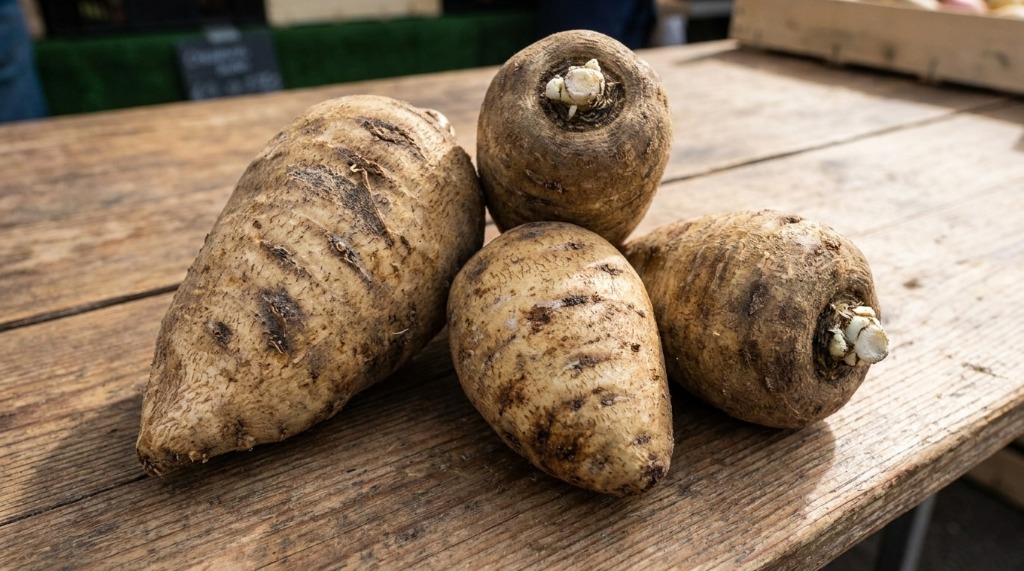
Turnip-rooted chervil: mastering the tricky sowing of the caviar of the vegetable garden
Turnip-rooted chervil (Chaerophyllum bulbosum) is one of those forgotten vegetables we rediscover with delight: a biennial umbellifer whose fusiform root — slate-coloured skin, white floury flesh tasting of chestnut — was praised by 19th-century gourmets as the true caviar of the vegetable world. Native to south-eastern Europe, it nearly vanished from kitchen gardens before coming back into fashion.
Its reputation is twofold: one of the finest root vegetables on the table, but one of the hardest to germinate in the garden. Everything hinges on the sowing — its seeds sleep deeply and only accept germinating after a long spell of cold. Once germination is achieved, it is an almost maintenance-free crop.
Contents
- Sowing & harvest times
- ID card
- A forgotten luxury vegetable
- Sowing: the step that decides everything
- Stratification explained
- Growing tips
- Harvesting and storing
- Saving your own seed
- In the kitchen
- Pests and diseases
- Precautions and lookalikes
- FAQ
Sowing & harvest times
| JAN | FEB | MAR | APR | MAY | JUN | JUL | AUG | SEP | OCT | NOV | DEC | |
|---|---|---|---|---|---|---|---|---|---|---|---|---|
| Sowing in open ground | ||||||||||||
| Germination | ||||||||||||
| Root harvest |
Green: autumn sowing (November-December) is the royal road — seeds spend winter in the ground and sprout in spring. Yellow: spring sowing possible in February-March, provided you stratify the seeds in the fridge 2 to 6 weeks beforehand; old manuals started sowing as early as August-October. Orange: harvest the following summer, as soon as the foliage yellows — September if sowing was late. Blue: spring germination, slow and erratic.
ID card
- Latin name: Chaerophyllum bulbosum
- Other names: turnip-rooted chervil, bulbous chervil, tuberous-rooted chervil
- Family: Apiaceae (formerly Umbelliferae) — the carrot, parsnip and celery family
- Type: biennial grown as a winter annual
- Origin: south and south-eastern Europe
- Hardiness: very hardy — down to -15 °C (zones 6 to 9)
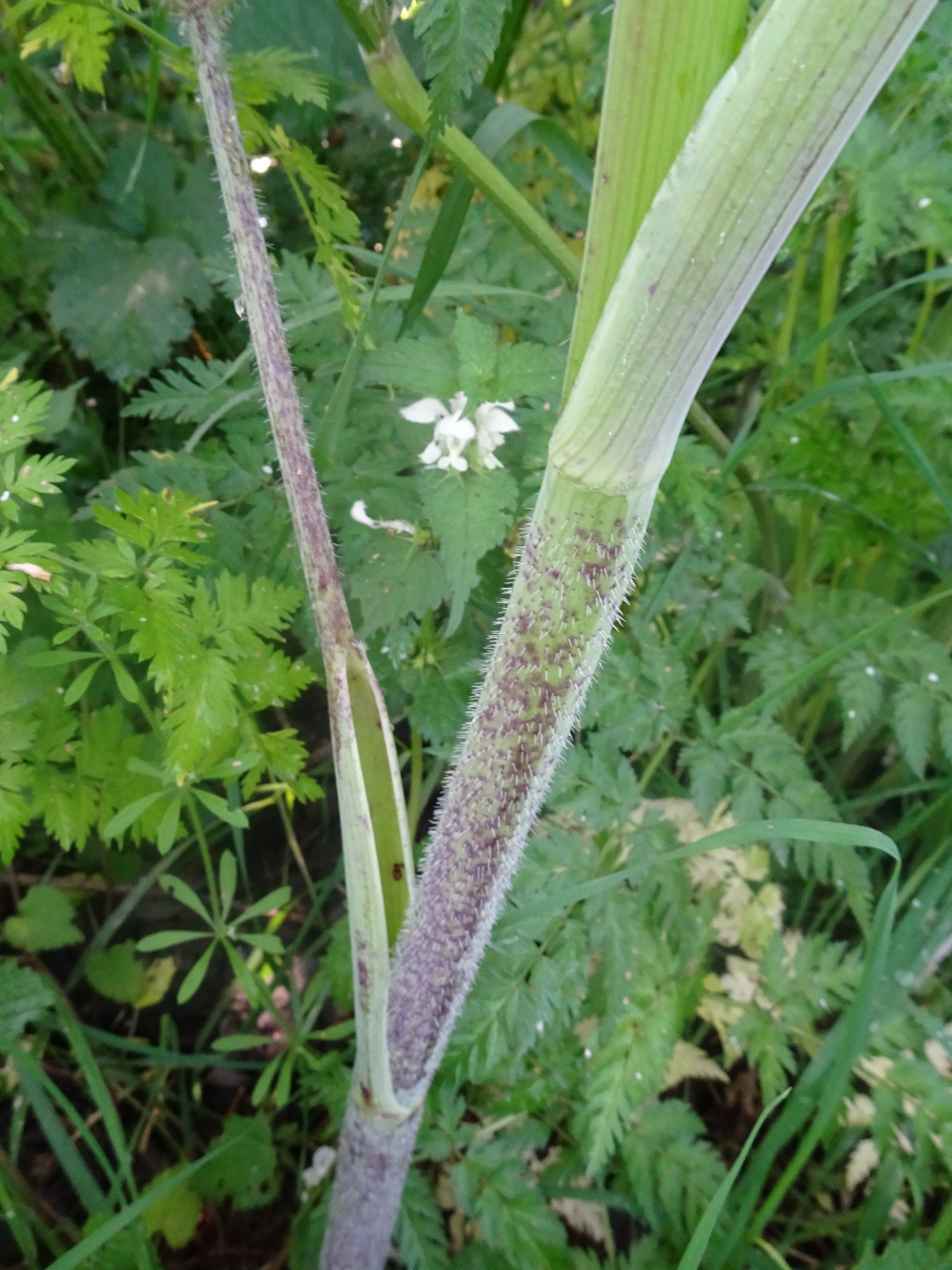
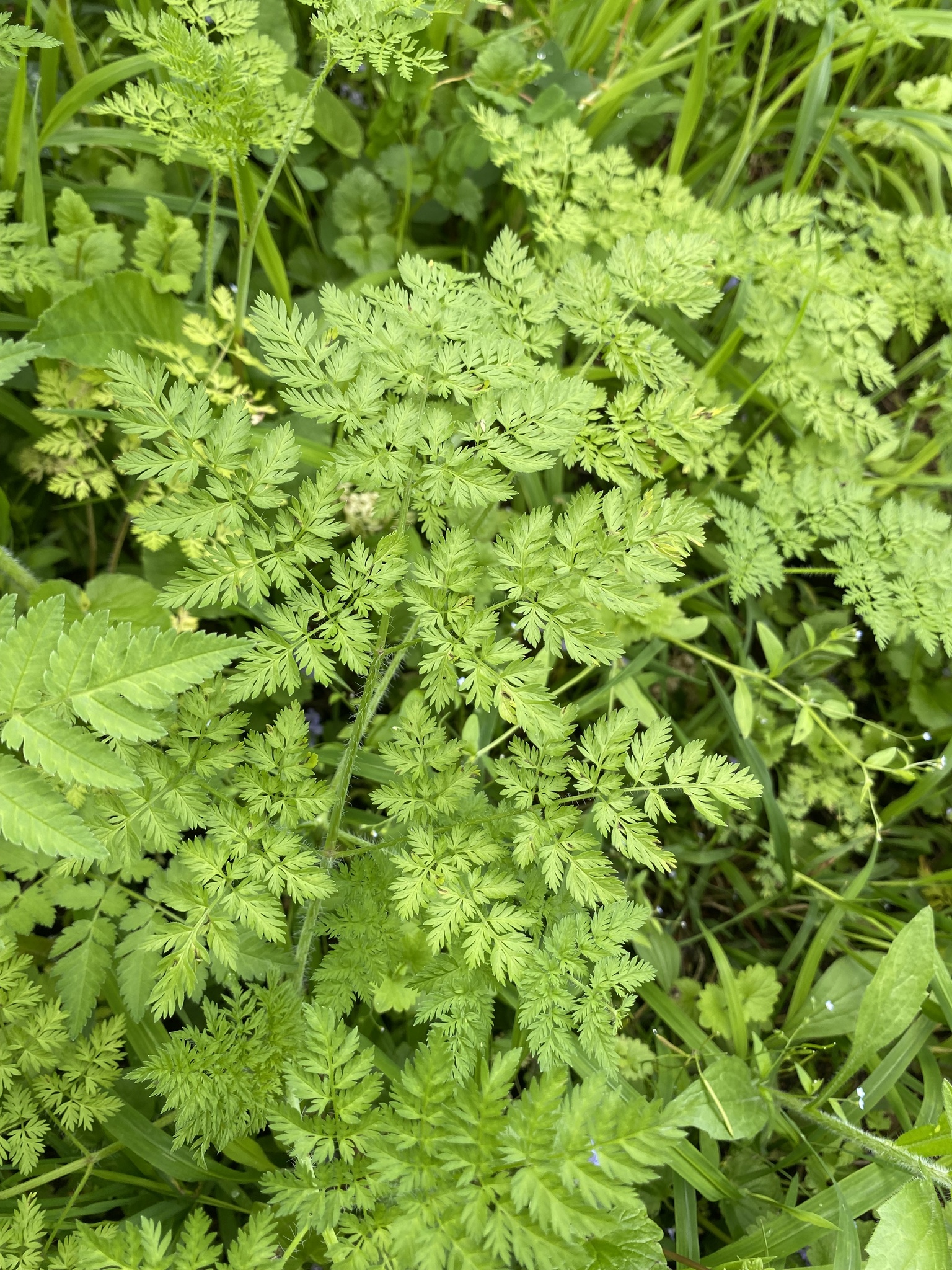
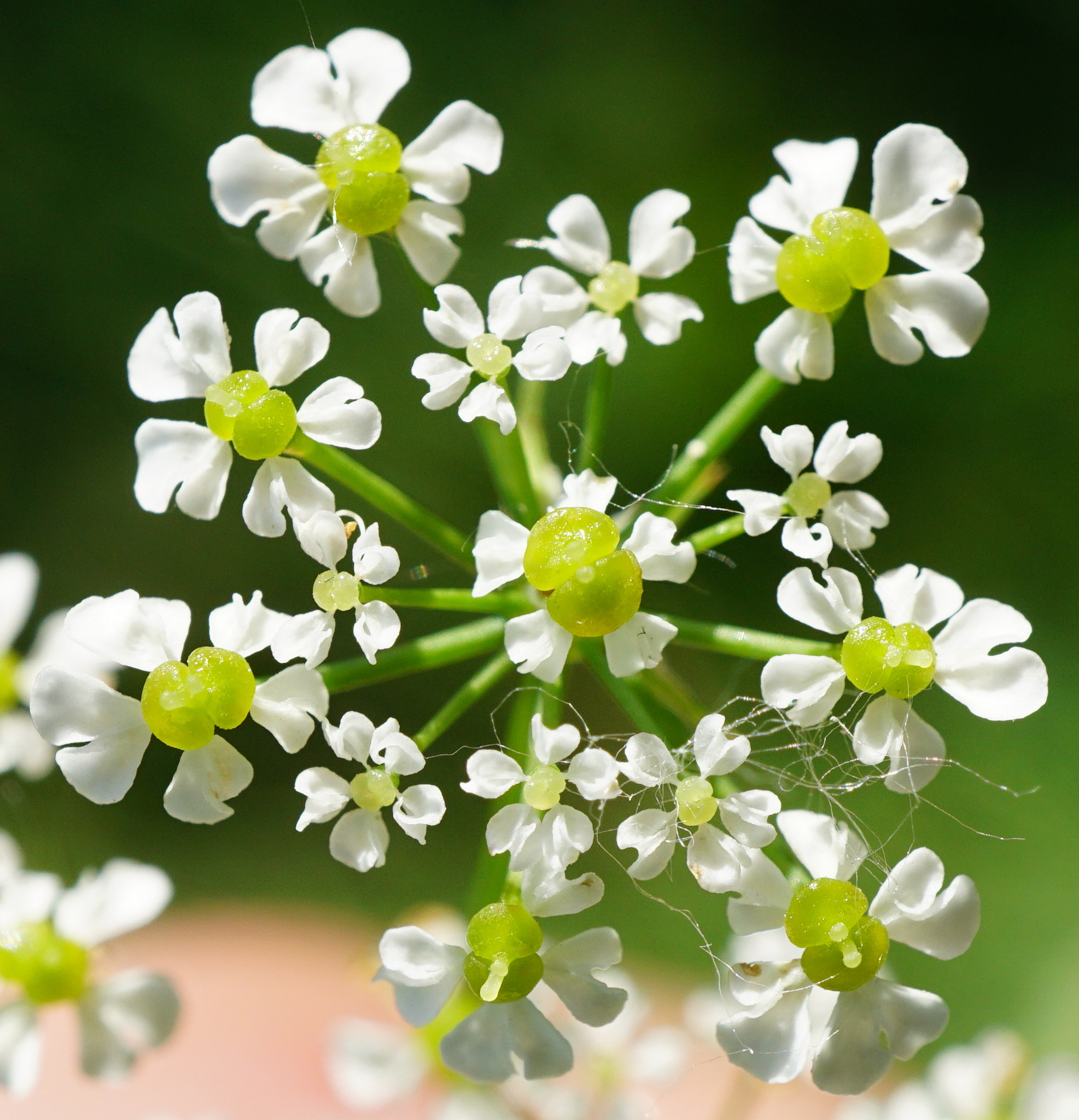
The plant. In its first year it forms rosettes of finely cut leaves, hairy, spreading over the ground 30 to 40 cm — fern-like foliage recalling common chervil. In its second year it sends up flowering stems up to 1.50 m, violet-tinted and covered in hairs, crowned with white umbels. The seeds that follow are long and pointed.
The root. This is what it's all about: a fusiform root like a short, stubby little carrot (3-5 cm to a good fifteen centimetres depending on growing), with grey-brown slate-coloured skin and white to ivory flesh, floury, sweet, with a delicate taste of chestnut.
A forgotten luxury vegetable
Native to Europe, turnip-rooted chervil was probably known to medieval gardens. Its hour of glory came in the 19th century: in the 1850s, the experiments of the Vilmorin seed house drew horticulturists' attention — Fearing Burr reported them in 1865 — and market gardeners took up its cultivation around Washington, Baltimore and Philadelphia, growing it as a luxury table vegetable.
Enthusiasm faded in the early 20th century: cultivation was abandoned — its capricious germination no doubt discouraged more than one gardener — and the plant naturalised here and there before urbanisation erased most of its stations. Gourmets, though, never forgot: John Organ, in Rare Vegetables, quoted an enthusiast for whom its deliciousness to the epicure ... fully supplies the place of the potatoes. Botanist William Weaver, in Heirloom Vegetable Gardening, goes further: it is to carrots what champagne is to wine — the true caviar of the vegetable world.
Sowing turnip-rooted chervil: the step that decides everything
All success hangs on one fact: its seeds are in deep dormancy and need a long spell of cold, damp conditions to sprout — allow at least 6 weeks of cold. Sown in spring without preparation, they may take two years to germinate… or never come up. This is what earned it its reputation for highly erratic cultivation among old authors.
When to sow?
- In autumn — November to December: the simplest, most reliable method. Sow in place, let winter do the stratification work; germination comes the following spring (it can take 180 to 200 days after sowing — patience!).
- In late winter — February to March: only with pre-stratified seeds (see below). Harvest then comes later in the season.
How to sow?
- Choose the freshest seed possible: germinability fades fast — sow within the year of purchase or harvest.
- Loosen the soil 20 cm deep and ideally add compost or dried manure a few days beforehand.
- Sow in rows 20 to 30 cm apart, one seed every 2-3 cm, sowing thinly — germination is already hard enough.
- Barely cover: a film of fine soil or compost is enough — the seeds appreciate light. A very loose, thin mulch keeps moisture in without smothering.
- Water with a fine spray, then after germination, thin to 10 cm along the row.
- Never transplant: like the carrot, it must be sown direct — the taproot wouldn't survive it.
Stratification explained step by step
Not enough winter, or want to sow in spring? Trick the seed:
- In the fridge: mix the seeds with slightly damp sand or compost in a bag and refrigerate 2 to 6 weeks before sowing.
- Old-fashioned method: alternate layers of fine sand and layers of seed in a drained flowerpot, bury the pot in a corner of the garden all winter — nature does the stratification. This is the technique nurserymen already recommended in the 19th century.
Germination stays slow and erratic even when well prepared: staggered emergence over several weeks is normal. Don't despair of a row that looks empty.
Growing tips
- Exposure: moderate sun — partial shade accepted. A cool spot suits it perfectly; in the south, avoid scorching heat.
- Soil: cool, loose, rich and humus-bearing — light sandy ground worked deeply gives the finest roots.
- Water: moderate but regular needs, especially in spring and summer — hoeing and watering in dry spells keeps the roots tender. Mulching (in the crop's footsteps) reduces watering needs.
- Maintenance: almost none — regular weeding, hoeing. Old manuals already said it: after sowing, it asks for no particular care.
- Good neighbour: a little garden bonus — turnip-rooted chervil is said to repel aphids, ants and slugs from neighbouring crops.
Harvesting and storing the roots
When? From late June to August (up to September for a spring sowing), when the foliage yellows, wilts then dries out: the plant dies back naturally in late summer and the root is then ready.
Flavour tip: roots left in the ground after the foliage wilts improve in taste — but watch out for nematodes and boring insects that fancy them too. Many growers also wait a few weeks after lifting before eating them: the flesh is said to refine further.
Storage: excellent — its strength over other heirloom vegetables. Lift the roots and store them like potatoes, or better, in cool damp sand in the cellar: they keep all winter.
Saving your own seed
Being biennial, roots left in the ground bolt to seed the following year: 1.50 m stems, white umbels, then the famous long pointed seeds, to watch closely — they must be harvested ripe, in the course of July.
Saving your own seed is easy and recommended: given the short germinative life (about 2 years), an annual home harvest is the best guarantee of a sowing that sprouts. Leave a few roots in place each year and the crop almost perpetuates itself.
In the kitchen: the gourmets' "potato" root
Only the root is eaten, raw or cooked. Cooked, prepare it like potatoes — steamed, sautéed, mashed or roasted. Its floury, sweet flesh develops a delicate taste of chestnut, with a fine chervil aroma that, as 19th-century amateurs said, pairs beautifully with fine white wines.
A few ideas: roasted whole with other roots, as a gentle velouté, or as "false carrot" fries to surprise your guests. After all, it's the only chance to serve your guests the vegetable that stood in for potatoes among epicures.
Pests and diseases
- Nematodes and boring insects: the historical enemies of roots left in the ground — one more reason to store in sand rather than in the soil.
- Carrot fly: its larvae may attack the roots — an insect-proof fleece limits damage; rarely fatal.
- Slugs and snails: fond of young seedlings, vulnerable at winter's end — a ring of ash or coffee grounds protects them.
- Red spider mites and aphids: possible attacks in dry summers — water jet, black soap, and biodiversity around the bed.
Reassuring conclusion: no specific disease established. Turnip-rooted chervil is a robust plant — it's the sowing, not the health, that makes the difference.
Precautions and lookalikes
Only the root is eaten. The leaves are reported as toxic by some specialists — stick to the root, as all the old kitchen gardens did.
Beware the family. Turnip-rooted chervil belongs to the Apiaceae — the family that also counts deadly plants like poison hemlock (Conium maculatum). Never pick a wild umbellifer to eat it; grow your plants from identified seed and the problem doesn't arise. In the garden, you'll recognise it by its hairy stem finely speckled with violet.
In the garden, not to be confused with: common chervil (Anthriscus cerefolium), the little aromatic herb whose leaves are eaten; sweet cicely (Myrrhis odorata), the tall anise-scented perennial; and mitsuba (Chaerophyllum canadense), Japanese parsley. Only Chaerophyllum bulbosum produces this little turnip-like root.
Frequently asked questions
When to sow turnip-rooted chervil?
Preferably in November-December, in open ground: seeds spend winter in cold dormancy and sprout in spring. Otherwise in February-March, after 2 to 6 weeks of fridge stratification.
Why won't my turnip-rooted chervil seeds germinate?
Three almost certain causes: old seed (its germinability fades fast — sow the same year), not enough cold (it needs ~6 weeks of cold dormancy), or sowing too deep (barely cover). And be patient: germination can take 6 months and comes in waves.
When to harvest turnip-rooted chervil?
The summer after sowing, from late June to August, when the foliage yellows and dries — the sign the root is ripe. Waiting a few weeks before eating is said to refine the flavour.
How to store the roots?
Like potatoes: in the cellar, in cool damp sand — they keep all winter, far better than left in the ground where nematodes and borers attack them.
Is turnip-rooted chervil hardy?
Yes, very: it withstands cold down to -15 °C. Winter cold is actually what makes the crop possible, by lifting the seeds' dormancy.
Turnip-rooted chervil or common chervil: what's the difference?
Two different plants: common chervil (Anthriscus cerefolium) is an annual herb whose leaves are eaten. Turnip-rooted chervil (Chaerophyllum bulbosum) is a root vegetable grown for its root — a gourmet heirloom vegetable, not a mere herb.
Fancy trying this exceptional vegetable? At Germie, our germination kits support your trickiest sowings — and to pinpoint your soil's exact needs before a demanding crop, the Gardiscan analyses your ground in depth.
Freshly harvested turnip-rooted chervil tubers (Chaerophyllum bulbosum): short, swollen roots with slate-grey skin and floury white flesh with a mild chestnut flavour. Stem, rosette and flower photos: iNaturalist contributors (CC licences).
By card and PayPal
For orders over €45
Our goal: 100% satisfaction
More information