
Leek (Allium porrum): sowing, planting and harvest
Published by Germie in Vegetables the 03/10/2026 at 10:08

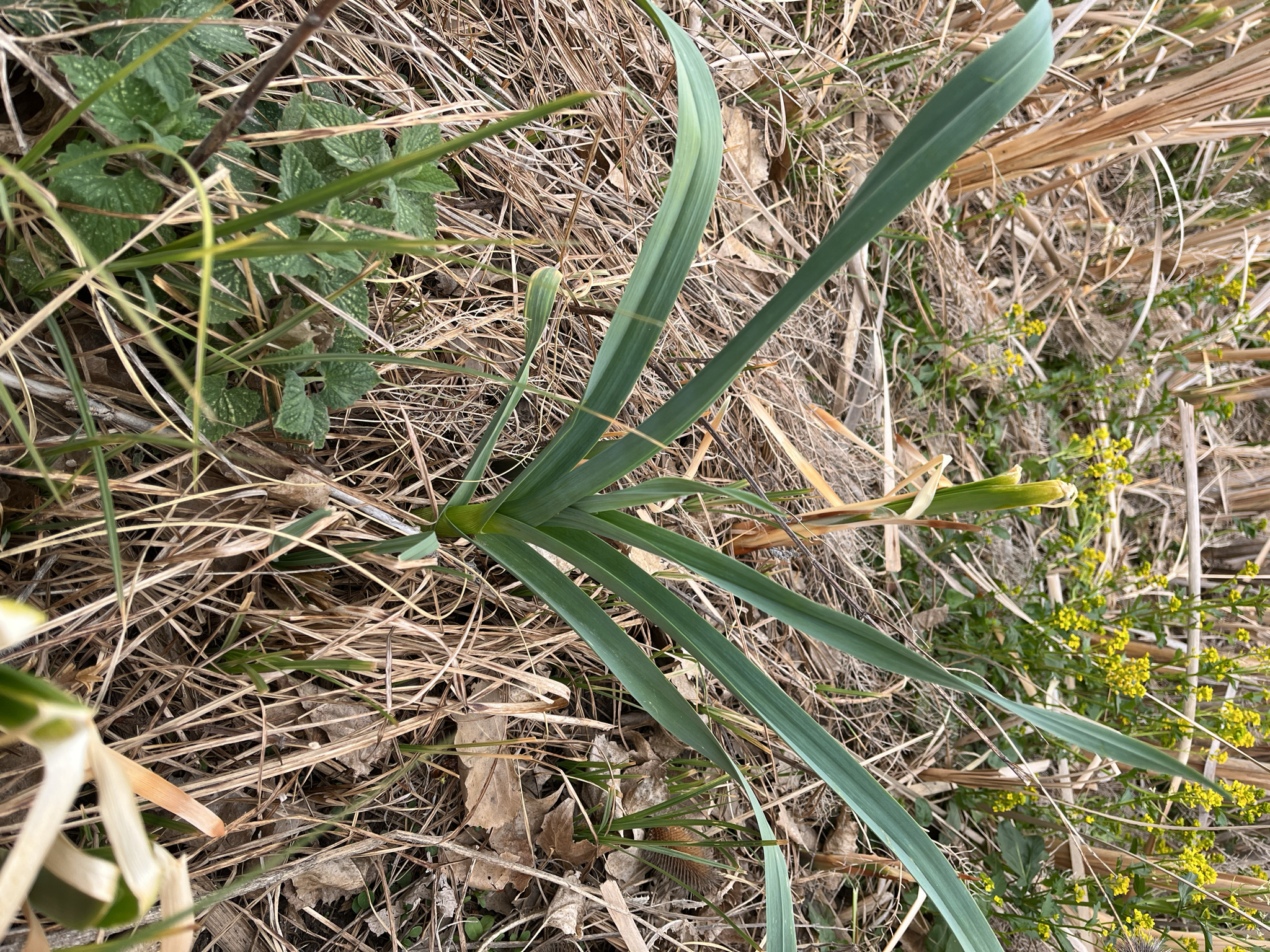
Leeks: sowing, planting and harvesting the "poor man's asparagus"
The leek (Allium porrum) is the essential leaf vegetable of the autumn and winter vegetable garden: hardy, easy to grow and present almost all year round, it tolerates the cold — winter varieties withstand down to -10 °C — and waits patiently in the ground for weeks before harvest. Its long sheath-like leaves form the shank, the white, meltingly tender stem produced by one simple technique: earthing up.
Nicknamed "poor man's asparagus", leeks are sown in a nursery bed, transplanted when they reach pencil thickness and harvested from July to February depending on the variety. A demanding crop on just one point: a rich, loose, moist soil.
Contents
- Sowing, transplanting & harvesting calendar
- A little history
- Etymology and nicknames
- How to grow leeks
- Growing tips
- Successful sowing
- Sowing tips
- Transplanting and care
- Leek varieties
- In the kitchen
- Diseases and pests
- Frequently asked questions
Sowing, transplanting & harvesting calendar
| JAN | FEB | MAR | APR | MAY | JUN | JUL | AUG | SEP | OCT | NOV | DEC | |
|---|---|---|---|---|---|---|---|---|---|---|---|---|
| Sowing under cover | ||||||||||||
| Nursery-bed sowing | ||||||||||||
| Transplanting | ||||||||||||
| Harvest |
Green: main period. Yellow: possible depending on climate (sowing under cover from January in mild areas, spring transplanting or a second wave in late August–September for an early harvest). Orange: harvest as needed, July to February — winter varieties stay in the ground.
A little history of the leek
- Latin name: Allium porrum
- Family: Amaryllidaceae (formerly Alliaceae)
- Order: Asparagales
- Genus: Allium
Native to the Mediterranean basin or the Middle East, the leek was most likely domesticated in Egypt around 2000 BC: it appears on funerary frescoes and is mentioned in the Bible among the vegetables the Hebrews missed during the Exodus. Greeks and Romans already grew two types of Allium; the emperor Nero, a keen consumer, was nicknamed the "porrophage" — he ate leeks to clear his voice.
The leek thrived in the Middle Ages — it is listed in Charlemagne's Capitulare de villis — and through the Renaissance: Francis I recommended it for keeping "pleasant breath". The national emblem of Wales, it remains one of the most eaten vegetables in France.
Etymology and nicknames
The French poireau derives from Latin porrum, via porreau — becoming "poireau" in the Paris region, probably under the influence of poire (pear). Porreau still survives in regional speech, alongside poirette and asperge du pauvre ("poor man's asparagus"). The English word porridge derives from the same porrum. And the French expression "faire le poireau" — to wait around — comes from the plant itself, standing motionless through sun, rain, snow and frost.
How to grow leeks
Technical information
- Difficulty: medium — sowing and transplanting need care, the rest is easy
- Density: about 20 plants per m²
- Life cycle: biennial (bolts to seed in year two)
- Reproduction: by seed; the perennial leek also multiplies by bulblets
- Pollination: by insects (hermaphrodite, non-self-pollinating flowers)
- Weight per 1,000 seeds: 2 to 4 g
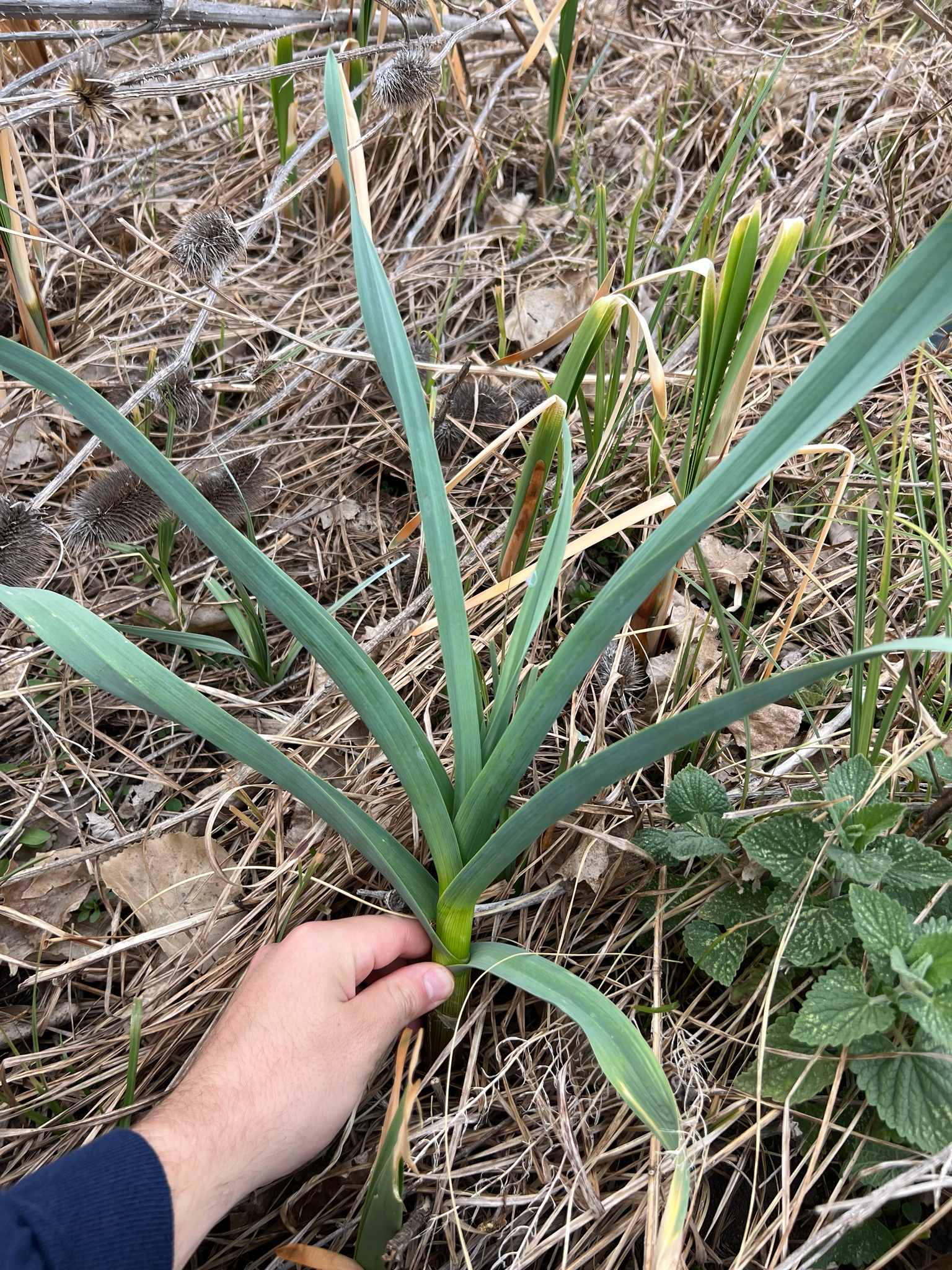
- Height: 40 to 60 cm in the garden (up to 85 cm for tall varieties)
Climate and soil
- Climate: adapts to all climates; very hardy, it overwinters in the ground (down to -10 °C for winter varieties).
- Soil: deep, loose, moist and humus-rich, rich in organic matter but without fresh manure. Loosen with a spade or broadfork and work in well-rotted compost.
- pH: neutral. A Gardiscan-type soil analyser lets you check pH and fertility before planting.
- Exposure: sun to part shade.
- Rotation: wait at least 3 to 4 years before planting leeks or other Alliums in the same spot.
Growing tips
| Exposure | Sun / part shade |
| Watering | Moderate — regular after transplanting, sparing afterwards |
| Soil | Rich, loose, moist, humus-rich, no fresh manure |
| Foliage | Persistent |
| Adult height | 40 to 60 cm (up to 85 cm) |
| Spacing | 10–15 cm in the row, 25–40 cm between rows |
| Hardiness | Very hardy — down to -10 °C depending on variety |
| Cycle | ≈ 6–7 months from sowing to harvest |
How to succeed with leek sowing
The sowing window is wide — from mid-January to May depending on the harvest aimed at: winter sowing under cover for summer, spring nursery sowing for autumn and winter, late-summer sowing for the following spring.
- Under cover: February to April (from January in mild climates), in a cold frame, a window box or trays — a technique that advances the crop and reduces weeding. Germination in 8 to 20 days at 13–24 °C. A seedling kit with greenhouse and heating mat produces even seedlings.
- In a nursery bed, in open ground: March to May, once the soil reaches 12 °C. Loosen with a broadfork, then sow in drills 1 cm deep spaced at least 5 cm apart, one seed every cm, in small clusters or broadcast. Cover with seed compost, firm lightly and keep the soil moist for about 3 weeks until germination.
- Thinning: if needed, thin the nursery bed by removing weak seedlings — future leeks need room to thicken.
- Soaking and stratification: unnecessary — the seed simply germinates according to soil temperature.
- Seed longevity: 2 years in good conditions — use fresh seed each year.
Sowing tips
| Life cycle | Biennial |
| Germination time | 8 to 20 days |
| Germination temperature | 13 to 24 °C |
| Sowing method | In drills, in small clusters or broadcast |
| Depth | 1 cm — about the size of the seed |
| Container | Tray / outdoor nursery bed |
Transplanting and caring for leeks
- When to transplant: when seedlings reach pencil thickness, April to August depending on sowing (May–June for March sowings). A second wave of planting in late August–September gives an early harvest the following year.
- Trimming: lift the seedlings, cut roots back to ~2 cm and trim foliage to a third of its length — this stimulates rooting and limits evaporation. Optionally dip roots in a mud slurry (puddling).
- Worm deterrent tip: leave trimmed plants to dry 1–2 days in the shade before transplanting — they lose the scent that attracts leek moth and leek worm.
- Planting: with a dibber, in holes ~15 cm deep, up to the green part; or in a 20 cm trench for an even longer shank. 10–15 cm between plants, 25–40 cm between rows. Water generously at the base, without wetting the foliage.
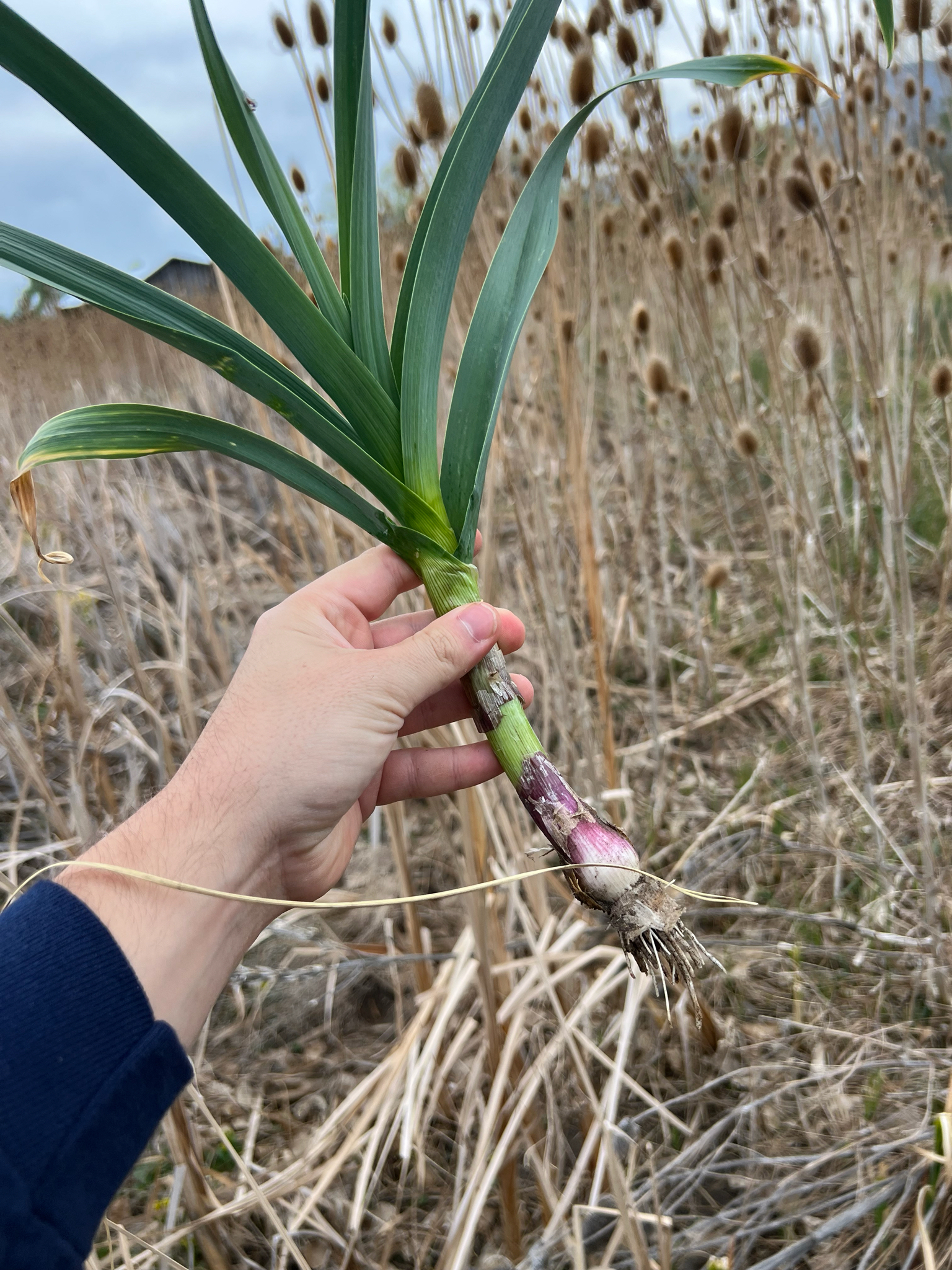
- Earthing up: the step that blanches the shank. From 3 weeks after transplanting, gradually draw soil up around the plants, repeating 2–3 times in the season — the more the stem is buried, the longer and more tender the white shank.
- Mulching: recommended from late spring — it keeps the soil cool, saves water, limits weeds and stops soil washing between the leaves.
- Weeding: regular, especially between sowing and transplanting — young leeks grow slowly and suffer from competition. Hoe to aerate.
- Watering: regular fine spray in the weeks after transplanting; afterwards leeks need little water — water only in prolonged drought, as excess moisture encourages rots.
Harvest and storage
- When: July to February, from 6–7 months after sowing, once the shank is thick enough. Pull as needed — in winter, the ground is the best storage place.
- How: lift with a digging fork so the shank doesn't snap. If the soil is frozen, pour lukewarm water at the base before lifting; if the leeks look frozen, let them thaw in an unheated room before eating.
- Storage: a few days once pulled; heeled in (in jauge — packed in soil in a sheltered spot) or frozen, they keep for weeks to months.
- Companion planting: the leek–carrot pairing is legendary — leeks repel carrot fly, carrots deter leek moth. Leeks also like celery, strawberries, tomatoes, lettuce, lamb's lettuce, asparagus and onions; keep them away from beans, peas, cabbages and chard.
Leek varieties
Choose by harvest season — or combine several to cover the year:
- Spring / summer: 'Jaune gros du Poitou' (sow August–September, harvest April–June), 'Jaune de Genève', 'Gros long d'été', 'Electra' — fast-growing, best eaten young, low hardiness. Quick English varieties like 'Lincoln' or 'King Richard' (~80 days) can be sown thickly: eat the thinnings like spring onions.
- Autumn: 'Monstrueux d'Elbeuf' (early, generous variety with a very thick, tender shank — harvest late August–October), 'Monstrueux de Carentan', 'Carlton', 'Maxim'.
- Winter: 'Bleu de Solaise' (heritage variety from Solaize near Lyon, with attractive blue-tinted foliage; very hardy, cold- and bolt-resistant — the benchmark for winter harvests), 'D'hiver de Saint Victor', 'Géant d'hiver', 'Tadorna'.
In the kitchen
With a flavour between onion and asparagus, leeks are enjoyed cooked — steamed, sautéed, braised, stewed — in vinaigrette, gratins, tarts, soups, stews and pot-au-feu. Young leeks can even be eaten raw, finely sliced in salads. The whole plant is edible: the often-discarded green tops flavour stocks and soups.
Nutritionally: only 29 kcal/100 g, very rich in fibre (~3.2 g/100 g), a source of vitamin B9, vitamins C and E, pro-vitamin A, potassium, iron and copper. Tradition credits it with digestive, diuretic and antiseptic virtues; leek broth and "leek tea" remain winter classics.
Diseases and pests
- Leek rust (Puccinia allii): orange pustules on the foliage, mostly August–September — leaves split and pale. Not fatal but weakening: choose resistant varieties, plant widely spaced, respect rotation and avoid excess nitrogen; dustings of maerl or clay strengthen the tissues.
- Leek moth: caterpillars tunnel galleries that dry out the leaves; the most dangerous generation strikes late August–September. Insect netting from planting until October, pheromone traps, carrot companion planting — and above all no nettles, whether as liquid manure or mulch: they attract the moth. If the attack is severe, cut plants to ground level: leeks regrow.
- Leek leaf-mining fly: observed in France since 2003, it gains ground every year; its larvae mine the leaves (rusty-orange galleries, small holes, brownish ~3.5 mm pupae). Remove affected plants and cover carefully with insect netting from August — without letting it touch the foliage, as the fly can pierce through the mesh; keep protection up even in winter.
- Onion fly: larvae attack the base of shanks → rot. Insect netting, rotation, alternating leek/carrot rows.
- Others: downy mildew, powdery mildew (white felting), white rot (rotation + drainage), aphids, thrips — prevention: drained soil, airy rows, watering without wetting the foliage.
Frequently asked questions
When should I sow leeks?
February to April under cover, or March to May in a nursery bed in open ground once the soil reaches 12 °C. A late-summer sowing is also possible for an early harvest the following spring. Germination takes 8 to 20 days at 13–24 °C.
When and how do I transplant leeks?
April to August, when seedlings reach pencil thickness. Trim them (roots to 2 cm, foliage to a third), optionally let them dry 1–2 days, then plant in 15 cm dibber holes or a trench, 10–15 cm apart in rows 25–40 cm apart.
How do I get nicely blanched leeks?
By earthing up: draw soil around the plants 2–3 times in the season (or plant in a 20 cm trench that you gradually fill in). The longer the stem stays buried, the whiter and more tender the shank. A thick mulch late in the season reinforces the effect.
What spacing for leeks?
10 to 15 cm in the row, 25 to 40 cm between rows — about 20 plants per m².
When do I harvest leeks?
July to February depending on variety, about 6–7 months after sowing. Pull them as needed: winter varieties stay in the ground even under frost — lift with a digging fork, using lukewarm water if the soil is frozen.
Which plants go well with leeks?
Carrots above all: leeks and carrots protect each other from their respective flies and moths. Also celery, strawberries, tomatoes, lettuce, lamb's lettuce, asparagus and onions. Keep beans, peas, cabbages and chard at a distance.
Are leeks frost-tender?
No: leeks are among the hardiest vegetables — winter varieties like 'Bleu de Solaise' tolerate down to -10 °C and stay in place all winter, harvested as needed.
Can you eat the green part of leeks?
Yes: the whole plant is edible. The stronger-flavoured green tops are cooked in soups, stocks, sauces or sautés — they just need a little longer than the white.
A vegetable garden that works through winter
A spring sowing, a transplant at pencil stage, two or three earthings-up: leeks reward these simple gestures with months of unprotected harvest. For even seedlings from February onwards, our germination kits provide steady warmth and light at emergence — and the Gardiscan checks that your soil is ready to welcome them.
Photos: © Laura Steadman, © Jared Shorma — CC BY licence, via iNaturalist.
By card and PayPal
For orders over €45
Our goal: 100% satisfaction
More information