
Asparagus: How to Grow It Like an Expert
Published by Germie in Vegetables the 19/09/2026 at 00:42

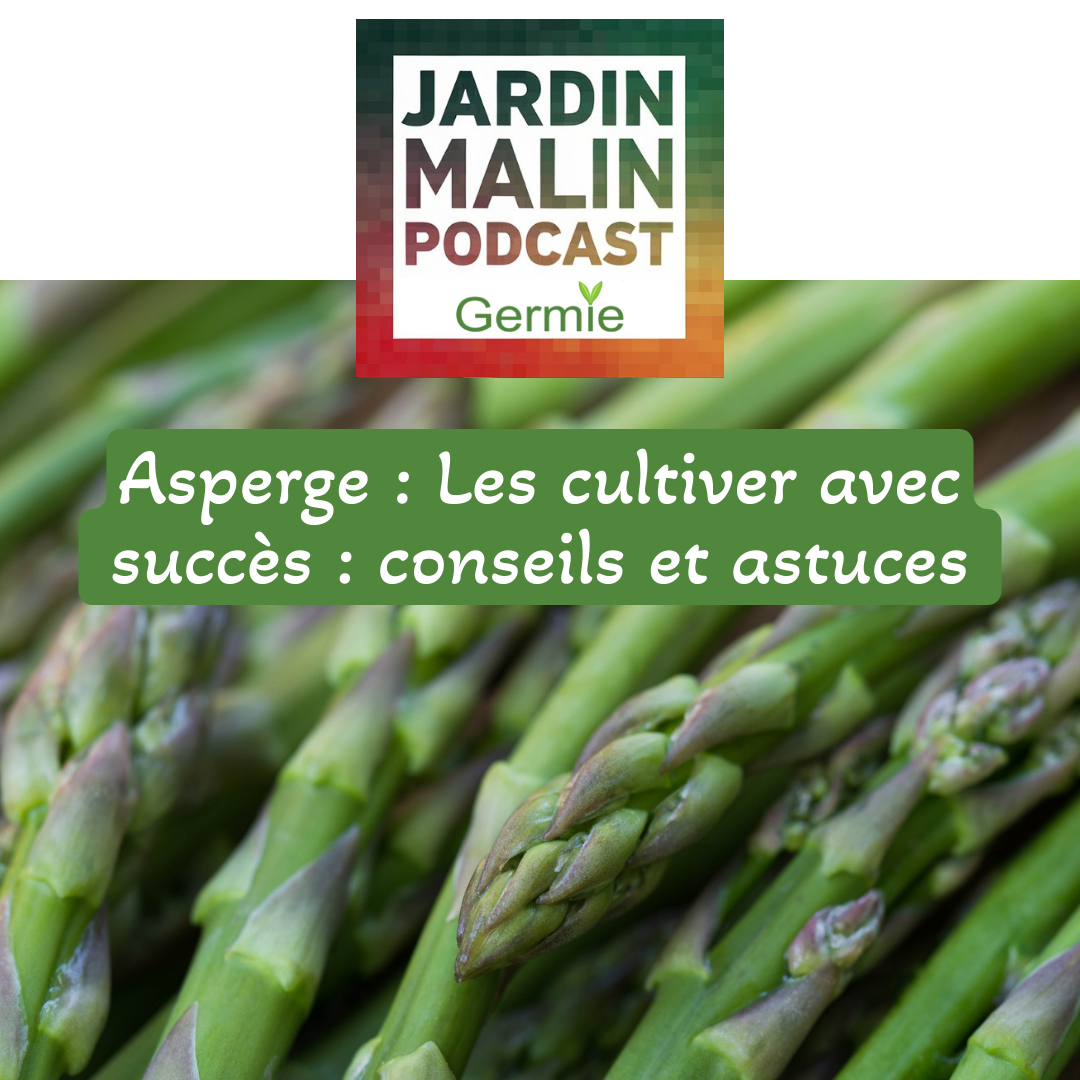

Introduction
Growing asparagus is a rewarding gardening practice that requires patience and care. This perennial plant, known for its delicious young shoots, can be successfully grown in your own garden. Understanding the essential steps to effectively growing asparagus is crucial to maximizing your harvests.
- Importance of good preparation: Every step, from site selection to final harvest, influences the success of your crop.
- Objective of the article: Becoming an expert in growing asparagus will not only allow you to enjoy this tasty vegetable, but also enrich your gardening skills.
With practical tips and detailed information, you'll be ready to take your asparagus knowledge to the next level.
Listen, download and subscribe to our podcasts: JARDIN MALIN
They are also available on Apple Podcasts, Spotify, iHeartRadio, Amazon Music / Audible, Castbox, Deezer and Podcast Addict
1. Understanding asparagus
Asparagus (Asparagus officinalis) is a perennial vegetable plant which is distinguished by its young edible shoots, calledturions. Here are some key things to know:
- Description of asparagus: Asparagus appears in the form of slender stems that emerge from the ground in spring. Depending on the variety, they can be green, white or purple. The spears should be harvested when they reach approximately 15 cm in height to ensure a tender texture.
- Asparagus varieties available :
- Lima: known for their large, melting spears.
- Argenteuil: a semi-late variety prized for its taste.
- Mary Washington: tender and delicate, it is ideal for beginner gardeners.
- Flavor and versatility in the kitchen: Asparagus offers a distinct, slightly sweet and earthy flavor. They can be grilled, roasted, blanched or incorporated into salads and pasta dishes. Their versatility makes them a popular ingredient in many cuisines around the world.
- History and culinary popularity of asparagus: originating from the Mediterranean basin, asparagus has been cultivated for more than 2000 years. They have gained popularity across Europe, becoming a symbol of fine gastronomy in France and Italy. Today, they are celebrated not only for their taste but also for their nutritional benefits.
These characteristics of asparagus make it an ideal choice for any gardener wishing to enrich their harvest with this culinary delicacy.
2. Choose the right location and prepare the ground
Growing asparagus successfully starts withchoosing an ideal location for growing asparagus. This perennial vegetable requires:
- Constant sunshine: Asparagus thrives in direct sun for at least 6 to 8 hours per day. Good lighting promotes the growth of spears.
- Protection against strong winds: A sheltered location helps prevent damage from gusty winds, which can affect plant health.
Suitable soil types
The choice of soil is crucial to obtaining healthy harvests. Here are some characteristics of good soil:
- Well-drained soil: Asparagus prefers sandy or loamy soil which allows efficient drainage. Excess moisture can lead to root rot.
- Essential nutrients: a soil rich in organic matter and nutrients (nitrogen, phosphorus, potassium) is beneficial. Soil tests can help assess these needs.
Techniques to improve soil quality
Before planting, it is important to improve the quality of the soil. Consider the following techniques:
- Organic amendments: incorporating compost or well-rotted manure improves the structure of the soil and increases its fertility.
- soil pH: Asparagus prefers a pH between 7 and 8. If necessary, use lime to adjust the acidity.
- Plowing: aerating the soil by plowing improves drainage and encourages good distribution of nutrients.
By implementing these tips, you will prepare an optimal environment for your asparagus plants, promoting their healthy growth and long-term productivity.
3. Plant and care for your asparagus
Choice and preparation of asparagus crowns
Planting asparagus crowns is a crucial step to ensure a bountiful harvest. Here are some tips for success:
- Selection of crowns: choose healthy crowns, about one year old, with well-developed roots.
- Planting depth: Dig a trench about 15 centimeters (6 inches) deep. Place the crowns at the bottom, spreading out the roots to encourage growth.
- Spacing between crowns: Space the crowns about 45 centimeters (18 inches) apart to allow them to develop without competition.
Regular maintenance of asparagus plants
Regular maintenance is essential to guarantee the health of your plants:
- Watering: Asparagus requires constant watering, especially during dry periods. Moist soil encourages growth, but avoid excess water which can cause root rot.
- Frequency: water regularly, about once a week or more often in hot weather. Make sure the water penetrates deep into the soil.
Vigilance against diseases and parasites
Asparagus cultivation can be threatened by certain diseases and pests:
- Common illnesses: Stay alert for signs of rust and rot. Regular monitoring allows rapid intervention.
- Harmful parasites: asparagus flies and leaf beetles are among the most common. Use insect nets to protect your plants and apply preventive treatments such as nettle manure.
By following these planting and care guidelines, you will maximize your chances of success growing asparagus.
4. Harvest and enjoy your home-grown asparagus
Harvesting young asparagus shoots is an exciting step that requires a certain amount of know-how. Here's how to do it:
When and how to harvest
- Harvest time: wait until the third year after planting to start harvesting. The ideal period is between April and June.
- Cutting technique: use a knife or a pair of sharp scissors to cut the spears. The cut should be made just above the ground, leaving a small part to encourage regrowth.
- Cutting frequency: do not harvest more than 60% of the shoots to ensure the health of the plants. This allows the asparagus to regenerate for the following year.
Recipe ideas
Fresh, home-grown asparagus offers a multitude of culinary possibilities. Here are some ideas for incorporating them into your dishes:
- Grilled asparagus salad: grill the asparagus with a little olive oil, add cherry tomatoes and feta cheese for a refreshing salad.
- Steamed Asparagus with Hollandaise Sauce: serve them as an accompaniment to a main dish, topped with a homemade Hollandaise sauce.
- Asparagus pasta: add pieces of sautéed asparagus to your favorite pasta, garnished with garlic and parmesan.
- Oven Roasted Asparagus: mix them with aromatic herbs, a drizzle of olive oil and roast until golden.
Integration into different dishes
Asparagus is versatile and can be incorporated into various cuisines:
- In Asian cuisine, they go well with fried noodles or in soup.
- In Mediterranean cuisine, they can accompany fish dishes or be used in quiches.
With these handy tips on harvesting and cooking with fresh asparagus, you're ready to fully enjoy your harvest. Each bite represents the fruit of your hard work in the garden.
Conclusion: patience rewarded in growing asparagus
Growing asparagus requires an investment of time and effort, but the reward is invaluable. After waiting for three years, you can finally enjoy the young shoots from your own garden. This gardening experience transforms your table into a feast of fresh asparagus, considered a culinary delight.
- Enjoy the fruits of your labor: each spear harvested is a reflection of your efforts and dedication.
- Share your creations: invite your friends and family to discover the dishes you have made with your asparagus.
Patience in gardening to grow asparagus is essential. Each step, from soil preparation to harvest, contributes to an enriching experience both on a taste and personal level. Home grown asparagus is not just a food; they also embody the success of a gardening project.
Frequently asked questions
What are the characteristics of asparagus?
Asparagus stands out for its unique flavor and versatility in cooking. There are several varieties of asparagus, each with its own taste characteristics.
How to choose the right location to grow asparagus?
The ideal location for growing asparagus should benefit from constant sunlight and be protected from strong winds. Well-drained soil is also essential to ensure healthy plants.
What are the soil preparation steps before planting asparagus?
Before planting asparagus, it is important to improve the quality of the soil by adding essential nutrients and ensuring it is well drained. This will prepare an environment conducive to growth.
How to plant and care for asparagus crowns?
To plant asparagus crowns, dig a hole about 6 inches deep and space the crowns 18 inches apart. Regular maintenance includes proper watering and monitoring for diseases and pests.
When and how to harvest young asparagus shoots?
Young asparagus shoots should be harvested when they reach about 6 to 8 inches in height. Use proper cutting technique to avoid damaging remaining crowns.
What recipes can you make with fresh asparagus grown at home?
Fresh asparagus can be incorporated into a variety of dishes, from salads to main courses. Recipe ideas include roasted, sautéed or even grilled asparagus, accompanied by simple sauces to enhance their flavor.
By card and PayPal
For orders over €45
Our goal: 100% satisfaction
More information