
Plant Cuttings: The Ultimate Guide for Beginner Gardeners
Published by Germie in Smart Garden the 19/09/2026 at 00:42

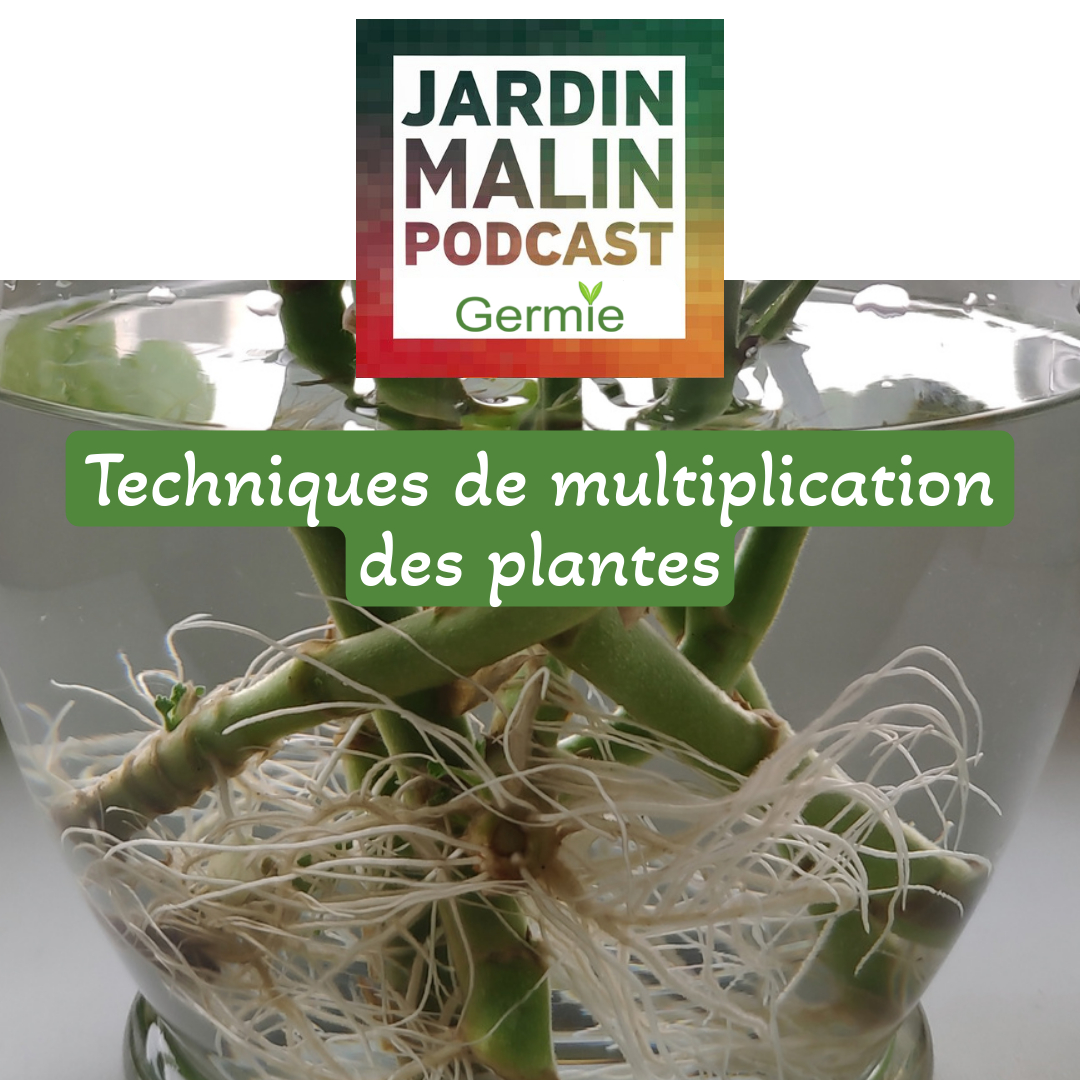

Introduction
Cuttings are a widely used gardening technique to reproduce plants from pieces taken from the parent plant. This method is particularly popular with novice gardeners, as it offers an accessible and effective way to expand their garden. By using cuttings, you can propagate your favorite rose bushes and preserve their unique characteristics.
This guide aims to accompany you step by step in the cutting process. You will discover not only the essential steps to follow, but also practical tips to guarantee the success of your cuttings. Whether you're new to gardening or want to expand your gardening knowledge, this guide is designed to enrich your experience with cuttings, dividing and sowing.
Listen, download and subscribe to our podcasts: JARDIN MALIN
They are also available on Apple Podcasts, Spotify, iHeartRadio, Amazon Music / Audible, Castbox, Deezer and Podcast Addict
What is cuttings?
Thecuttingsis a gardening technique which consists of reproducing a plant from a piece taken from the mother plant. This method ofpropagation of plantsis prized for its simplicity and effectiveness.
Different types of cuttings
There are several types of cuttings:
- Herbaceous cutting: carried out on non-lignified green stems, generally in spring or early summer.
- Semi-woody cutting: carried out on partially lignified stems in August, with rooting expected in one to two months.
- Woody cutting: concerns completely lignified stems, often practiced in the fall.
Advantages of cuttings
Cuttings have several advantages over other methods such as division and sowing:
- Speed: the rooting process can be accelerated.
- Conservation of characteristics: the new plants retain the genetic qualities of the mother plant, thus guaranteeing the preservation of the varieties.
- Economy: allows you to multiply your plants without additional costs linked to the purchase of new ones.
With these simple techniques, you can easily enrich your garden while mastering the art of cuttings.
Why take cuttings from rose bushes?
Rose cuttings have several significant advantages:
- Preservation of varieties: Cloning rose bushes allows you to preserve specific varieties that may no longer be available commercially. This technique is essential to maintain biodiversity and preserve the unique characteristics of mother plants.
- Economic and aesthetic advantages: Cutting rose bushes can reduce the costs of purchasing new plants. By multiplying your own rose bushes, you can create a lush garden without spending a fortune. In addition, the possibility of reproducing flowers in the desired colors and shapes brings a personal touch to your landscaping.
- Importance of retaining characteristics: Each rose bush has distinct characteristics, such as flower color, scent and disease resistance. Cuttings ensure that these traits are passed on to the new plants, ensuring their continuity.
In summary, cuttings offer an effective way to propagate your rose bushes while preserving their unique essence. This paves the way for a thriving, personalized garden.
Steps for successfully cutting rose bushes: practical guide and expert tips
1. Choose the ideal time
The success of cutting rose bushes depends largely on the timing chosen to carry out this operation. Identify thebest seasonsfor cuttings can significantly influence the rooting and health of new plants.
Spring
This is often considered the best time to take rose cuttings. The temperatures are mild, and the sap begins to circulate in the stems. The buds also begin to open, which promotes better cutting success.
Summer
Semi-woody cuttings can be taken in summer, particularly between July and August. At this point, the stems have started to harden but still retain some flexibility, which is ideal for rooting.
Autumn
Although less common, taking woody cuttings is possible in autumn when the leaves begin to fall. These cuttings require special care because they must go through a harsh winter before resuming growth.
Theclimatic conditionsalso play a crucial role in rooting. You must ensure that the temperatures are neither too high nor too low. Excessive heat can cause water stress for cuttings, while intense cold can harm their development.
To ensure a high rooting rate, maintain aconstant humidityaround the cuttings. This can be easily achieved by using a clear plastic cover or mini greenhouse which will retain humidity while allowing light to pass through.
Thecare of cuttingsis essential during this phase. Monitor the humidity of the substrate regularly and water if necessary to prevent the soil from drying out completely.
In summary, choosing the right time and maintaining the right climatic conditions are key steps to succeeding in your rose cutting project.
2. Select a healthy stem
Choosing a healthy and robust stem is crucial for successful rose cuttings. A quality stem ensures effective rooting and promotes the further development of the plant. Here are some criteria for selecting the ideal rod:
- General appearance:opt for a stem that has a bright color, without spots or signs of disease.
- Texture:prefer a firm, smooth texture, indicating good health.
- Age:stems from the previous year or one year old are generally the best candidates.
- Leaves:avoid stems with yellowed or wilted leaves; they often signal water stress.
Maintaining cuttings also requires maintaining constant humidity. This promotes rooting and increases the chances of success. By respecting these criteria, you will lay a solid foundation for successful cuttings.
3. Cut at an angle
The bias cutting technique involves trimming the stem at a 45-degree angle. This method has several advantages for rooting:
- Increased absorption surface: the diagonal cut increases the surface area available for absorption of water and nutrients.
- Reduced risk of rot: A cutting angle allows moisture to drain more easily, reducing the risk of mold.
- Better penetration into the substrate: this technique facilitates deeper insertion into the soil, thus promoting rapid rooting.
To make cuttings successfully, maintain aconstant humidityis essential. Caring for cuttings should include regular monitoring of conditions to ensure good health.
4. Prepare the substrate
A good substrate is essential for the success of cuttings. It must be both light and well draining, allowing the roots to establish without excess humidity. Here are the key things to consider when preparing:
- Composition: an ideal mix could include:
- Special soil for cutting rose bushes
- Sand or perlite to improve drainage
- Vermiculite to retain moisture
- Role of the substrate: the quality of the substrate directly impacts the rooting of the cuttings. A good substrate promotes constant humidity, essential during the rose bush rooting seasons.
- Cutting care: after planting, regularly monitor the humidity of the substrate. Adequate moisture maintenance is crucial to prevent wilting and promote healthy rooting.
Preparing a suitable and well-maintained substrate sets the stage for successful cuttings. The rest of the steps will guide you towards the planting and optimal maintenance of the cuttings.
5. Plant and care
The process of planting cuttings is crucial to their success. Here are the key steps to follow:
- Plant the cuttings:Carefully insert the cutting into the prepared substrate, ensuring at least one node is buried. This promotes rooting.
- Maintain constant humidity:Cuttings need adequate humidity to prevent wilting. Use a spray bottle to water lightly without saturating the substrate.
- Use a lid or plastic bag:This creates a greenhouse effect, conserving moisture and increasing the chances of rooting.
- Monitor the temperature:A warm environment favors the process. Place your cuttings away from drafts and direct sunlight.
These tips help ensure constant humidity when cutting rose bushes, essential for their healthy development. By applying these techniques, you maximize your chances of success in this multiplication method compared to division and semi.
6. Transplant
When the roots of your rose cuttings are ready for transplantation, several signs can indicate their optimal development:
- Visible roots: Roots often emerge through the drainage holes of the pot.
- Leaf vigor: healthy, well-developed leaves indicate successful rooting.
- Resistance to tearing: gently pulling on the cutting without it easily detaching indicates good anchoring.
To perform the transplant effectively:
- Prepare the new floor: make sure it is well drained and rich in nutrients.
- Moisten the substrate: Maintain constant humidity before and after transplanting to promote root development.
- Handle with care: avoid damaging the roots during transfer.
Following these steps ensures a successful transition to optimal growth, whether by cuttings, division or seed.
Complementary techniques: division and sowing
Gardening offers several methods for propagating your plants. Among them, thedivision of plantsand thesowing seedsare common techniques.
Plant Division
- This method consists of separating a perennial plant into several fragments.
- Each fragment must contain roots and buds to ensure a healthy recovery.
- Division is ideal for rejuvenating flower beds and promoting vigorous growth.
Sowing seeds
- Sowing involves the germination of seeds, which often requires specific conditions.
- The seeds can be sown in the ground or under cover, depending on the type of plant.
Comparison with cuttings
- Complexity: division is generally simpler than cuttings, because it requires fewer tools and precise techniques. Sowing requires more attention, especially for delicate species.
- Effectiveness: Cuttings can provide a high success rate for some plants, while division produces several new plants instantly. Seedlings may take time to show visible results.
These techniques, although different, enrich your gardening experience and allow you to explore various methods adapted to your needs.
Listen to our podcast for more tips!
Discover ourgardening podcast, a valuable resource for expanding your knowledge of cuttings and other gardening techniques. Each episode covers a variety of topics, including:
- Additional tips for successful cutting
- Interviews with experienced gardeners sharing their tips
- Discussions on best practices in horticulture
Listening to this podcast will allow you to enrich your experience as a beginner gardener and deepen your skills. Don’t miss this opportunity to learn more while cultivating your passion for gardening.
Share and exchange with other gardeners
Theplant exchangesare an excellent way to strengthengardening community. Exchanging cuttings, divisions or seedlings not only diversifies your garden, but also allows you to learn from the experiences of other enthusiasts. Here are some ideas for sharing your cutting successes:
- Participate in online forums and share your photos and tips.
- Organize or join local meetups to exchange plants and discuss techniques.
- Create a group on social networks dedicated to discussions around gardening.
These interactions enrich your practice and strengthen the bond between gardeners.
Frequently asked questions
What is cuttings?
Cuttings are a gardening technique which consists of multiplying plants using pieces of stems, leaves or roots. There are different types of cuttings, such as herbaceous, semi-woody and woody cuttings, each with their own advantages over other methods like division and seeding.
Why is it important to take cuttings from rose bushes?
Cutting rose bushes allows you to preserve existing varieties and retain the characteristics of the mother plant. In addition, this method has economic and aesthetic advantages, because it makes it possible to obtain clones identical to the parent rose bushes.
What are the steps to successfully cutting rose bushes?
Steps for successful rose cuttings include choosing the ideal time to take cuttings, selecting a healthy stem, cutting at an angle, preparing a suitable substrate, planting and caring for the cuttings, then transplanting when the roots are ready.
How to choose the ideal time for cuttings?
The ideal time for cutting rose bushes depends on the seasons and climatic conditions. It is preferable to take cuttings during seasons favorable for rooting to maximize the chances of success.
How important is the substrate in the cutting process?
The substrate plays a crucial role in the success of cuttings. A good special potting soil for rose cuttings must be well draining and rich in nutrients to ensure constant humidity and promote the rooting of the cuttings.
How can I share my cutting successes with other gardeners?
Sharing your cutting successes can be done through plant exchanges with other passionate gardeners. Joining a gardening community or participating in forums can also be a great way to exchange advice and experiences.
By card and PayPal
For orders over €45
Our goal: 100% satisfaction
More information