
Seed Scarification and Stratification Explained
Published by Germie in Germination the 05/11/2026 at 19:53

Seed Scarification and Stratification Explained
Two techniques with intimidating vocabulary — and yet simple — that unlock recalcitrant seeds: scarification (breaking the shell) and stratification (giving cold). Here is when to use them and how to do them at home.
Contents
- The definitions
- Scarification in practice
- Stratification in practice
- Which technique for which seed
- Pitfalls to avoid
- Frequently asked questions
The definitions
- Scarification: weakening or piercing the seed coat (the shell) to let water and oxygen through — it mimics the natural wear seeds undergo in nature, like the rubbing inside a bird's gizzard.
- Stratification: a cold treatment (pre-chilling) that simulates what seeds naturally undergo resting on or under the soil surface during winter.
- Both break a dormancy — the seed's temporary inability to germinate even under favourable conditions, which can last from a few weeks to 2 years.
Scarification in practice
When to use it: seeds with a hard or impermeable coat — seed-coat dormancy, frequent in legumes.
- Sandpaper or file: rub the coat to thin it — one or two passes are enough.
- A nick with nail clippers or a thin blade: a small precise notch in the shell — effective and controlled.
- A brief dip in boiling water: the proven thermal alternative.
- Sand: rub the seeds in sand — the classic abrasion.
- Goal: open the way to water — the imbibed seed then emerges normally.
Stratification in practice
When to use it: species whose dormancy requires a cold period — cold is the primary dormancy-breaking factor.
- The pot method: sow and place the pots somewhere cold, substrate evenly moist under film or lid for the whole stratification.
- The simple proven method: 48 hours in the freezer or 10 days in the refrigerator's ice compartment, then sow straight out.
- Complex cases: some seeds demand a warm-cold-warm sequence — move the pots from place to place to give them the required temperatures.
- During stratification: the substrate must stay moist continuously — the film or lid prevents drying out.
Which technique for which seed
| Dormancy type | Technique |
|---|---|
| Hard, impermeable coat (legumes) | Scarification or 24–48 h soak |
| Winter cold requirement | Stratification (freezer/fridge or pots in the cold) |
| Chemical inhibitors | Soaking with daily rinsing |
| Combined | Scarification then stratification |
Pitfalls to avoid
- Soaking too long: beyond 24–48 h without rinsing, seeds suffocate.
- Re-drying after a hot soak: dormancy can return — sow immediately.
- Stratifying on dry substrate: keep it moist continuously under a cover.
- Scarifying too deep: only touch the shell — the embryo is right behind.
Frequently asked questions
What is the difference between scarification and stratification?
Scarification = breaking the shell (mechanical). Stratification = giving cold (temperature). Two different dormancy causes — sometimes combined.
How do I know if my seed needs one of them?
If the 10-seed test passes (alive) but nothing emerges in perfect conditions: dormancy. Visibly hard coat → scarification/soaking. Species known for cold → stratification.
Does the freezer really work?
Yes — proven method: 48 h in the freezer or 10 days in the refrigerator's ice compartment, then sow straight out.
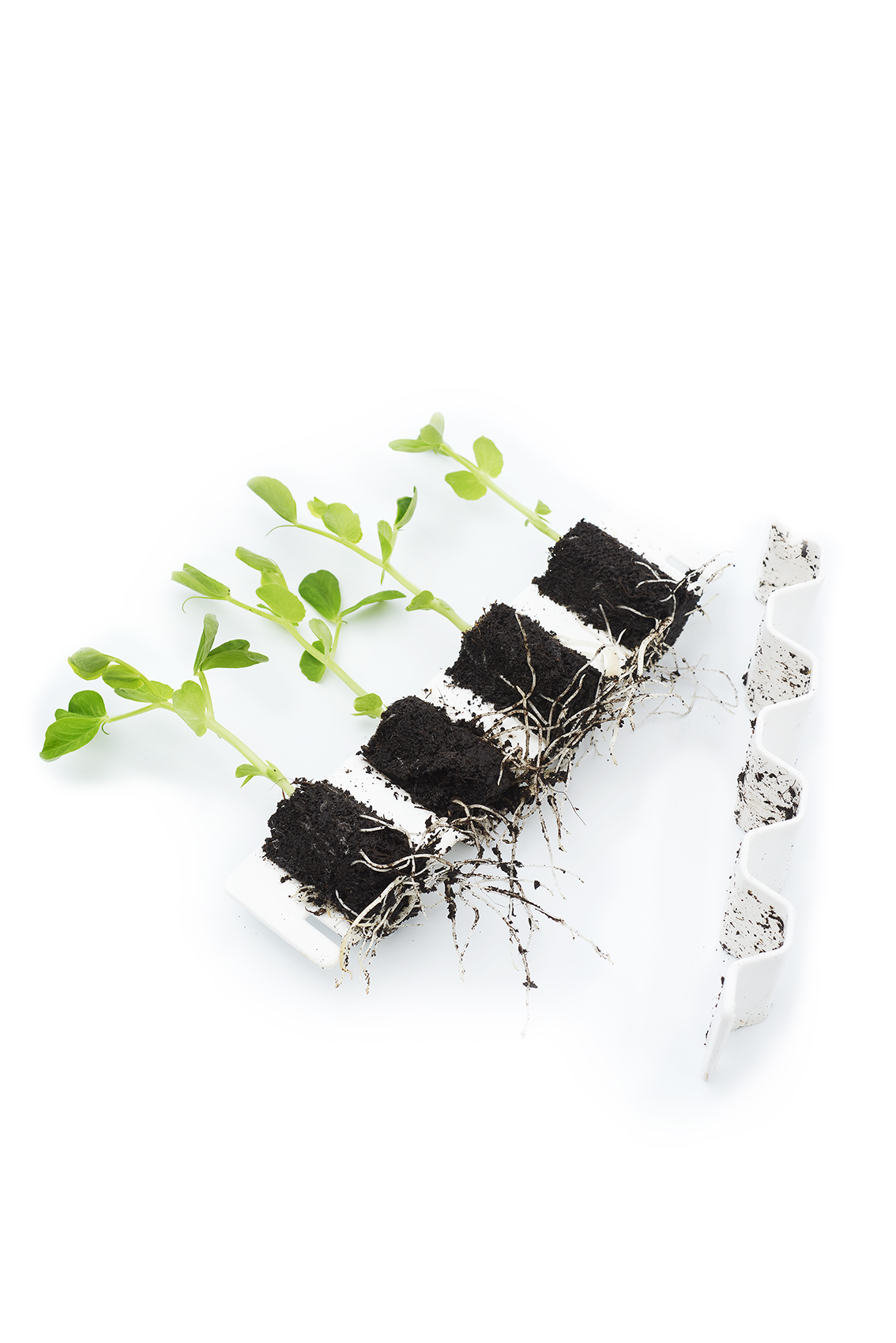
After treatment, sow in the Germie kit cells — optimal conditions for finally unlocked seeds.
Want your home sowings to succeed? Germie's reusable germination kits get your seeds started in record time — and the Gardiscan analyses your soil for a perfectly calibrated start.
By card and PayPal
For orders over €45
Our goal: 100% satisfaction
More information