
Diagnosing a Seed That Won't Germinate: The 6-Check Method
Published by Germie in Germination the 05/11/2026 at 18:51

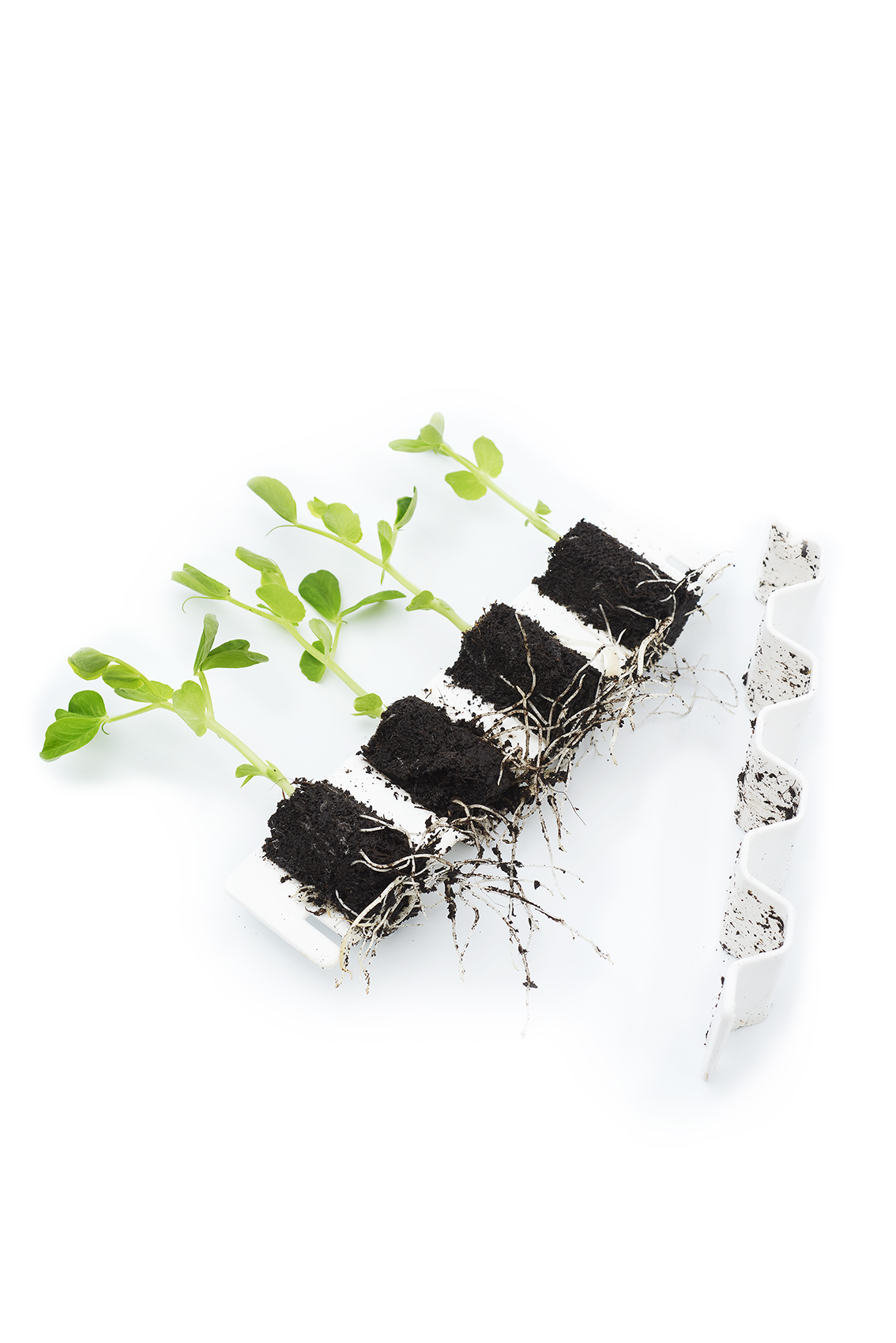
Diagnosing a Seed That Won't Germinate: The 6-Check Method
Facing a sowing that won't come up, don't panic — a methodical diagnosis identifies the cause in minutes. Here are the 6 checks to review, from the seed itself to the sowing conditions, according to established gardening practice.
Contents
- 1 — The viability test
- 2 — Examining the sown seeds
- 3 — Substrate temperature
- 4 — Moisture state
- 5 — Depth and oxygen
- 6 — The elapsed delay
- Symptom table
- Frequently asked questions
1 — The viability test: is the seed alive?
First reflex: test a sample from the same batch. Place 10 seeds on moistened absorbent paper in a half-closed bag, at 20-24 °C, and watch:
- 8 seeds out of 10 swell and deform (the radicle expands) → 80% germination expected: the batch is good, the problem is in the conditions.
- Fewer than half respond → consider replacing the batch, or sow much denser to compensate.
- No emergence a week after the normal delay on the packet → replace the seeds.
2 — Examining the sown seeds
Gently dig up a few seeds from the failed sowing:
- Soft, browned or rotten → damping-off or excess water + cold.
- Hard and intact for a long time → dormancy (impermeable coat, need for cold).
- Dry → the substrate dried out during emergence.
3 — Substrate temperature
- Below ~18 °C → warmth-loving seeds rot rather than germinate; pepper and aubergine refuse to emerge below 18 °C.
- In open ground below 7 °C → no germination; wait for warmer soil and the end of frost.
- Above 25-30 °C → cool species (spinach, lettuce) refuse to emerge.
- Quick diagnosis: a thermometer or heat mat reveals and fixes the problem in one go.
4 — Moisture state
- Soggy substrate (water drips when squeezed) → rot and suffocation of seeds.
- Dry substrate (crumbles to powder) → imbibition never started.
- Wet-dry-wet cycle → the sprouting germ withered during the dry phase.
- Target: evenly moist, never soggy.
5 — Depth and oxygen
- Correct depth: 2-3 times the seed's diameter. Too deep = lack of oxygen.
- Compacted or saturated substrate → seeds lack air.
- Prolonged soaking (>24-48 h without rinsing) → suffocation.
6 — The elapsed delay
Last check before condemning the sowing: has the species' normal time passed? Radish emerges in 2-4 days, celery in 3 weeks, parsley in a month. Most annuals: 3-10 days. No emergence a week after the delay on the packet = negative verdict.
Symptom table
| Symptom | Likely cause |
|---|---|
| Seeds missing from soil, soft, rotten | Damping-off, excess water, cold soil |
| Seedlings emerged then wilting, collapsed, collar lesions, white down | Damping-off |
| Seeds intact and hard for a long time | Dormancy — soaking, scarification or cold required |
| Nothing emerges, seeds dry | Substrate dried out or never imbibed |
| Nothing emerges, substrate correct | Dead seeds, too deep, or insufficient delay |
Frequently asked questions
How to know if a seed is dead?
The 10-seed test on moist paper kept warm: swollen and deformed = alive; intact after double the normal delay = probably dead or deeply dormant.
Why do seeds emerge then die?
That is damping-off: fungi kill the seedling at the collar. Proven prevention: sterile substrate, disinfected containers, sparse sowing, bottom watering, lid removed at emergence.
Can I re-sow in the same spot?
Yes, after correcting the cause: temperature raised, excess water removed, fresh sterile substrate — and seeds tested alive.
To eliminate the variables in one go, the Germie germination kit starts on sound bases: sterile pots, adapted substrate, controlled moisture.
Want your home sowings to succeed? Germie's reusable germination kits get your seeds started in record time — and the Gardiscan analyses your soil for a perfectly calibrated start.
By card and PayPal
For orders over €45
Our goal: 100% satisfaction
More information