
Harvesting and storing your vegetable seeds: the complete guide
Published by Germie in Gardening tips the 26/10/2026 at 19:44

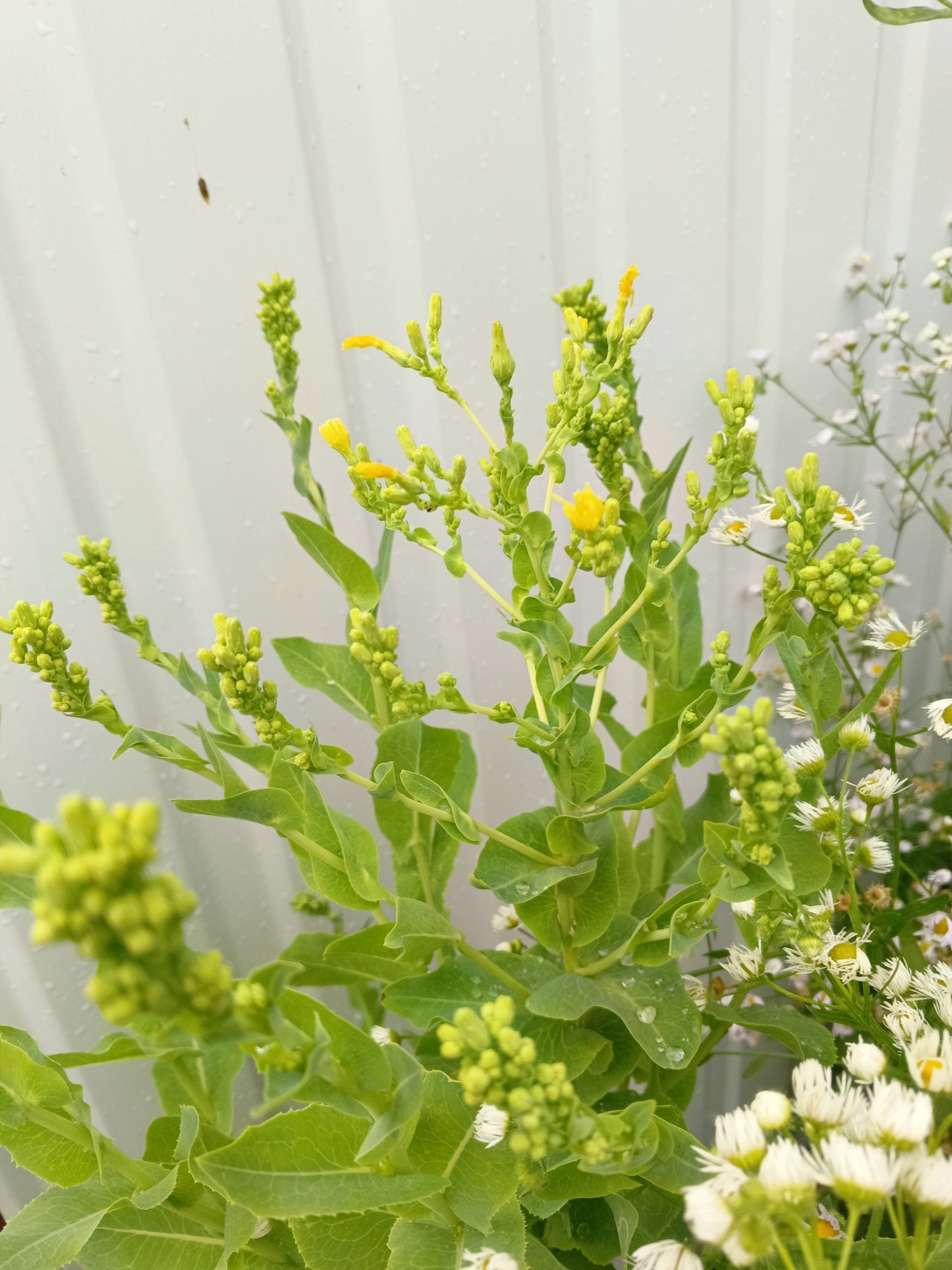
Late October, the seed plants are finishing their cycle: broad bean pods turn blackish, bolted lettuces put on their grey downy caps, the last seed cucumbers yellow on the row. Time for saving your vegetable seeds for next year's sowings — provided you respect three steps nothing can replace: take the seed at the right stage, dry it without cooking it, then store it dry, cool and dark. Miss any one of the three and germination dies with it.
Harvest at the right stage: two families of seeds
Not all seeds are taken the same way, and the starting point is telling apart dry seeds — those ripening inside a pod, a silique or an umbel — from wet seeds, locked in a fruit's flesh.
For dry seeds, the right signal is browning without shattering: bean pods gone from green to ochre-brown, the first dried pea pods, broad bean pods turned blackish, ripe cabbage siliques, radish siliques just whitening — picked before full maturity, since they split open and spill their contents on the ground. Same care for carrot (slightly browned primary umbels), beetroot (browning glomerules) and sweetcorn (ripe ears). Against shattering seed-heads: harvest in the morning dew or over a sheet, so nothing is lost. Lettuce is special: its seeds carry a flying pappus — shake the head over a bag every three days, or cut it when half the flowers are ripe.
For wet seeds, do the opposite: wait for the fruit's full ripeness, or slightly beyond — fully ripe tomato, dull-skinned aubergine starting to shrivel, fully coloured pepper and chilli, yellowed cucumber left on the vine until late October, squashes and melons picked before frost. For squash, a subtlety: let the whole fruit cure for several weeks in warmth (above 10 °C) before opening it — the seed finishes ripening inside the flesh.
Two extractions: threshing or washing
Dry method (bean, pea, broad bean, lettuce, carrot, onion, leek, cabbage, radish, beetroot, sweetcorn): first dry the pods, umbels or ears for a few days under a ventilated shelter, spread on cloth or hung up. Then thresh — a tapped canvas bag works perfectly — shell, winnow, and sort by hand or sieve. Beetroot seeds, which shed and roll on their own, are caught on a sheet.
Wet method (tomato, cucumber, squash, courgette, melon, pepper, aubergine): separate the seeds from the pulp and rinse through a sieve until clean. Pepper and chilli are handled with gloves. Tomato is a case apart: its seeds are coated in a germination-inhibiting gel, removed by fermentation — pulp and seeds in a jar covered with netting, 3 to 4 days at 18-20 °C (ten hours are enough at 30 °C). Once the gel is gone, rinse vigorously in lukewarm water. Do not stretch it: over-long fermentation damages the seed.
Drying: shade, airflow, and never any cooking
Drying removes water and finishes ripening — it is what builds longevity. The rules:
- Place: a well-aired, ventilated, dry room, in shade — no oven, no radiator top.
- Temperature: aim for about 20 °C; if sun-drying, never exceed ~32-38 °C, or the seed coat hardens and cracks. Exception: wet seeds like aubergine can sprout on the tray if it is too warm — dry them fast and shaded.
- Surface: anything that lets air through — cloth, paper, cardboard, wood, an upturned crate, kitchen paper. Stir regularly.
- Done when: the seed resists thumbnail pressure — it no longer dents.
- Standing guard: protect from rodents, insects and birds, which love an open drying tray.
Storing seeds: cool, dry, dark, airtight
Once perfectly dry, seeds go into an airtight glass jar or tin, or a paper envelope if the room is very dry. Watch for condensation in boxes closed too early — the flaw of airtight containers.
Three requirements for the place: dry, cool, dark. A cupboard does (not a particle-board one — glue fumes are harmful), but the refrigerator does better: 1 to 5 °C, seeds in a paper or cloth bag that lets them breathe. The freezer is allowed only if the seeds are bone-dry — a damp seed bursts when it freezes. Against residual moisture, slip a silica-gel sachet or a handful of rice into each jar; storage humidity above 20 % slowly destroys viability, and heat is just as damaging as damp — it restarts the seed's metabolism and burns its reserves. For legumes (bean, pea, broad bean), a tin box in the fridge doubles up: cold and a barrier against weevils.
How many years do they keep their germinating power?
| Vegetable | Harvest | Extraction | Germ life |
|---|---|---|---|
| Tomato | fully ripe fruit | 3-4 d fermentation + rinse | 4 years kept cold |
| Cucumber | yellowed fruit, late Oct. | sieve-washing | 8 years |
| Squash, courgette | ripe fruit + curing weeks | washing after resting | 6-8 years (moschata up to 10) |
| Melon | ripe fruit, before frost | washing | 4-6 years, sometimes far more |
| Aubergine | dull fruit, starting to shrivel | washing | 6 years |
| Pepper, chilli | ripe fruit | washing, gloves | 3-4 years |
| Bean | ochre-brown pod | dry, shelling | 2 years — 10 kept cold & dry |
| Pea | first ripe pods | dry, thresh in a bag | 2 years and more |
| Broad bean | blackish pod | dry | 5 years |
| Lettuce | grey downy head, shaken every 3 d | dry, thresh-sort | 4-5 years |
| Carrot | slightly browned umbels | dry | 4 years and more |
| Beetroot | browning glomerules | dry, stripping | 6-7 years and more |
| Cabbage | ripe siliques, in the dew | dry, thresh-sieve | 4-5 years |
| Radish | whitening siliques | dry, vigorous threshing | 4-5 years |
| Onion | dried umbels | dry, threshing | 2 years only |
| Leek | dry stems and umbels | dry, threshing | 2 years |
| Sweetcorn | ripe ears | dry, shelling | 2 years |
Better to know at once: some seeds do not keep. Parsnip holds one year (two at best), angelica a few months, and the onion-leek-sweetcorn-bean-pea group rarely exceeds two years in ordinary conditions. Garlic and potato are not multiplied by seed at all — the clove and the tuber do the job. On the other side, the longevity champions are melon, cucumber and beetroot, which can still germinate at ten years and beyond in faultless storage.
The germination test: April's harvest is decided in February
Before planning sowings, a winter viability test saves disappointments. The protocol: 10 to 20 seeds (100 for a large lot) laid on damp kitchen paper or blotting paper, rolled up or slipped into a bag, at 20-30 °C. Large seeds may be soaked 12-24 h at 30 °C beforehand — never beyond 24 h, when they suffocate. Check regularly: tomato sprouts in 6-10 days at 20 °C, cucumber in a week, pepper in about ten days, beetroot in a week and a half, carrot in a week and a half to three weeks. Below 80-90 % sprouted, the lot stays usable if you sow it denser — or you rebuild the stock.
The mistakes that kill germination
- Drying hot — oven, radiator, full-sun greenhouse: the seed coat cooks, or the seed sprouts on the spot (aubergine).
- Closing the jar too early — condensation undoes the drying.
- Freezing a damp seed — it bursts; the freezer demands a perfectly dry seed.
- Storing warm or damp — kitchen cupboard, damp cellar, particle board.
- Over-fermenting tomato pulp or rinsing it badly.
- Harvesting too late the shattering seed-heads (radish, cabbage, carrot, beetroot) — the harvest stays on the ground.
- Forgetting predators — rodents, insects and birds raid drying trays and paper bags.
- Soaking over 24 h — the seed suffocates.
Done well, this autumn harvest closes the loop: the garden supplies its own seed, better adapted to your soil year after year. And when the time comes to test and sow, our guide to germinating old seeds (French version) takes over.
Read also: storing the harvest all winter (cellar, clamp, pit), and which green manures to sow in October-November.
By card and PayPal
For orders over €45
Our goal: 100% satisfaction
More information