
What to do in the garden in October?
Published by Germie in Garden calendar the 05/11/2026 at 16:33

What to do in the garden in October?
The month of the last harvests and the great autumn plantings — from one end of Europe to the other.
October is a turning point. In northern Europe, the first frosts can already take you by surprise; around the Mediterranean, the days stay mild and the soil still warm. Everywhere, the garden changes pace: we finish the harvests, plant part of next year's crops and prepare for winter — and, already, for spring.
Here are the essential October jobs, from the vegetable patch to the balcony, with pointers that adapt to your climate.
Contents
- In the vegetable garden: the last harvests before the frosts
- Sowing and planting
- Soil ready for winter
- In the orchard and fruit garden
- In the ornamental garden: the great month of bulbs
- Lawn, fallen leaves and winterizing
- Balcony, terrace and indoors
- October according to your region of Europe
- The 10 key jobs of October
- Frequently asked questions
In the vegetable garden: the last harvests before the frosts
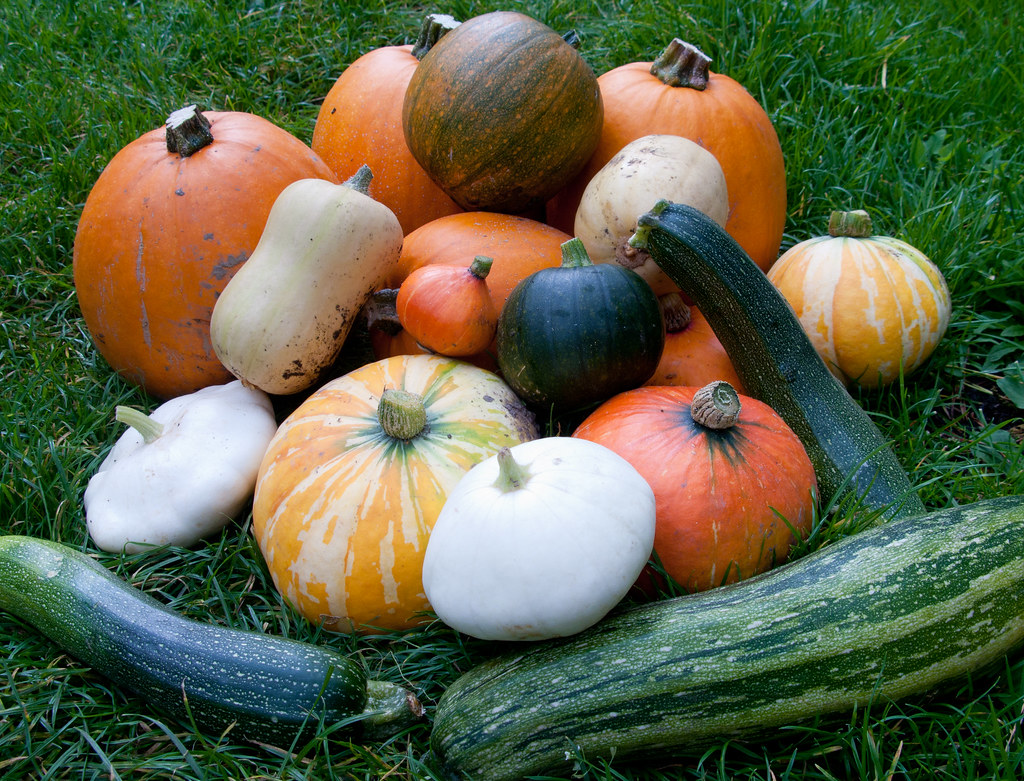
- Squash and courgettes: bring them in before the first frosts. Let squash harden off for a few days in the open air, then store them in a dry, airy place at around 10–15 °C: they will keep for several months.
- Tomatoes: harvest everything, even the green ones — they ripen very well indoors.
- Potatoes: lift them in dry weather, let them dry before storing them unwashed in crates.
- Cabbages, leeks, lamb's lettuce, spinach, parsnips: these hardy crops stay in place and are harvested as needed — often all winter long in mild regions.
- Tidying up: pull out exhausted plants and do not leave diseased vegetation on the ground (slugs and diseases shelter there). Compost only healthy debris.
Sowing and planting: the vegetable garden is already thinking about next year
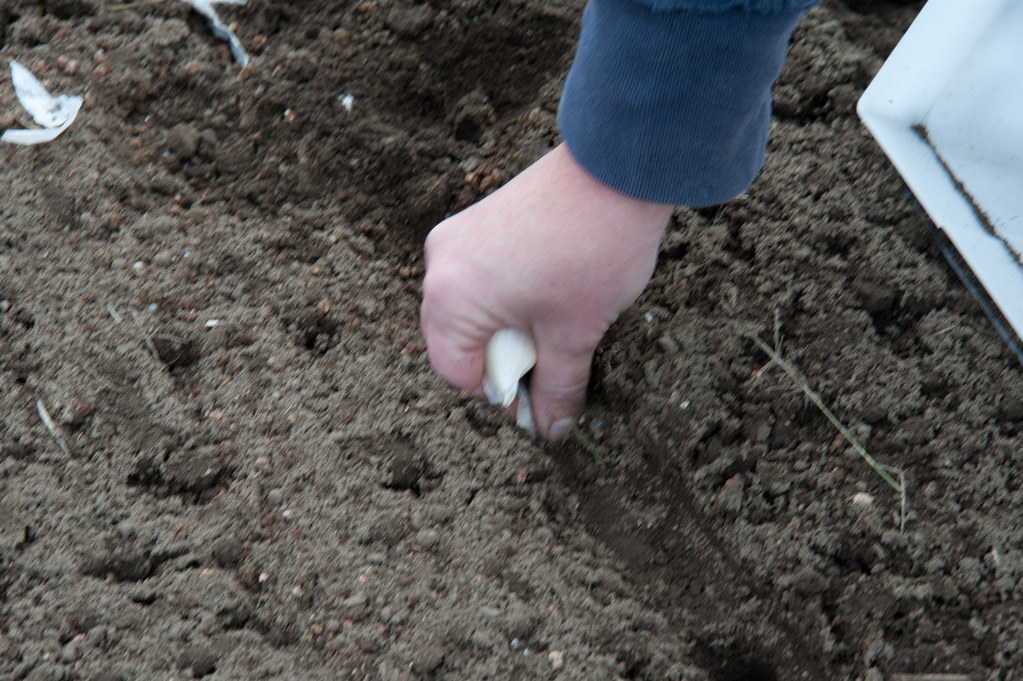
- Garlic: THE month to plant autumn garlic. Point facing up, 3–4 cm deep, spacing the cloves 10 to 15 cm apart.
- White onions and shallots: to be planted in many regions; in northern Europe it is safer to plant them under cover or wait until late winter.
- Autumn sowing: lamb's lettuce, spinach, winter lettuces, rocket, chervil. In cold climates, sow under a cold frame or a fleece.
- Broad beans and peas: in regions with mild winters (Atlantic coast, southern Europe), sowing at the end of the month gives an early spring harvest. Elsewhere, better wait.
- Green manures: on cleared beds, sow mustard, phacelia or rye. They cover the soil, limit weeds and enrich it.
- Strawberries: new plantings still settle in very well this month.
- Rhubarb: divide the crowns and replant without delay.
Soil ready for winter
- Mature compost: spread it on the surface and scratch it in lightly; earthworms finish the job before the frosts.
- No bare soil: green manure, mulch or dead leaves — a covered soil stays alive and warms up faster in spring.
- Take stock: this is the time to find out your soil type. A soil analyzer then gives you pH, moisture and nutrients in seconds.
In the orchard and fruit garden
- Harvests: late apples, pears, quinces, medlars, walnuts, chestnuts. Eat or process bruised fruit quickly.
- Cleanliness: pick up fallen fruit at the foot of trees — it attracts wasps and diseases.
- Planting: autumn is the best season to install fruit trees and soft fruit (raspberries, blackcurrants, currants). The still-warm soil encourages rooting.
- Cuttings: currants, blackcurrants and, in mild regions, fig trees.
- Pruning: remove dead wood and diseased branches; protect young trunks from rodents.
- Raspberries: cut down the canes that have fruited and tie in the new ones.
In the ornamental garden: the great month of bulbs
- Spring bulbs: tulips, daffodils, hyacinths, crocuses, snowdrops. Plant at 2–3 times the bulb's height, point facing up — in beds, borders or pots. You have until the end of November, as long as the soil is not frozen.
- Planting: trees, shrubs, hedges and roses benefit from autumn to settle in well.
- Perennials: divide overcrowded clumps, cut back faded stems — leaving a few flowers and seed heads for the birds.
- Non-hardy summer bulbs: after the first frosts, lift dahlias, gladioli and cannas; let them dry before storing them frost-free.
- Tender plants: bring in citrus, oleanders and laurels before the nights turn too cool; reduce watering.
Lawn, fallen leaves and winterizing
- Lawn: one last mow with a higher cutting height; scarify compacted areas and reseed bare patches. In most regions, the beginning of the month is still ideal for sowing.
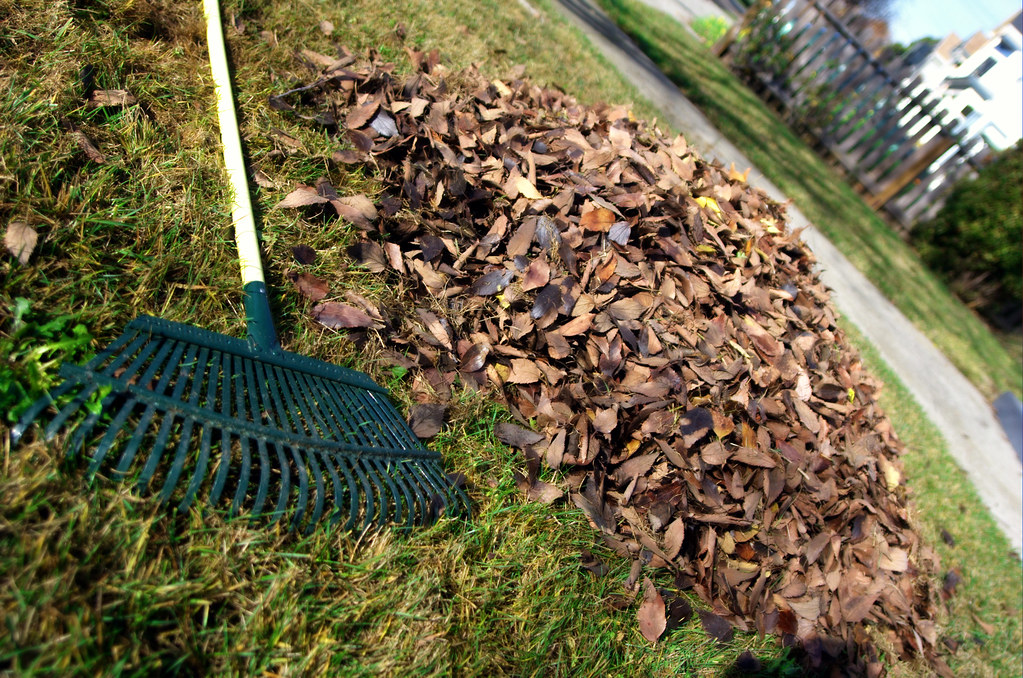
- Fallen leaves: don't throw them away! In a perforated bag or net, they become superb leaf mould; a pile at the back of the garden makes an ideal shelter for hedgehogs.
- Protection: earth up and mulch sensitive crowns.
- Around the house: clean gutters and water butts, drain hoses, put away garden furniture.
Balcony, terrace and indoors: keep growing!
- Bring in tender pots and raise all containers so water does not stagnate.
- Window boxes: plant bulbs in layers (tulip, daffodil, crocus) to flower in waves all spring.
- Indoors: set up our germination kits near a window and harvest fresh shoots all winter — radish, mustard, alfalfa… simple, quick and good all year round.
- Less water, more light: adapt watering and move plants closer to the window.
October according to your region of Europe
- Northern Europe (Scandinavia, northern Germany, Scotland…): frosts arrive early. Bring forward the last harvests, bring plants in and protect them; plant bulbs and trees while the soil is still workable, and winterize greenhouse and pond.
- Central Europe (France, Benelux, the British Isles, Germany, Poland…): the heart of autumn jobs — last sowings, bulbs, tree planting, green manures and gradual winterizing.
- Southern Europe (Spain, Italy, Portugal, Greece…): the season starts again! Sow broad beans, peas, spinach and salads, plant garlic and onions, and enjoy still-warm soil to install trees and shrubs.
The 10 key jobs of October
- Harvest squash and tomatoes before the frosts.
- Plant autumn garlic.
- Sow lamb's lettuce, spinach and winter lettuces.
- Plant spring bulbs.
- Spread compost and cover bare soil.
- Plant fruit trees and soft fruit.
- Collect leaves for leaf mould.
- Lift dahlias and gladioli, store frost-free.
- Bring in and protect tender plants.
- Last mow and clean the tools.
Frequently asked questions
What can you plant in October?
Spring bulbs, garlic, onions, trees and shrubs, strawberries… and in the vegetable garden: lamb's lettuce, spinach, winter lettuces, plus broad beans and peas in mild regions.
Can you still sow grass seed in October?
Yes, and it is even a good time: the air cools down but the soil stays warm, which encourages germination. Prefer sowing early in the month in cold regions; in southern Europe you can carry on longer.
When should you plant spring bulbs?
From October to the end of November — and until mid-December in mild regions — as long as the soil is not frozen. Too late, and flowering would be compromised.
How do you protect plants from frost?
Fleece, mulch, cold frames and cloches for crops; bring in tender pots and avoid nitrogen-rich fertilisers, which make plants more sensitive.
What to do with tomatoes that are still green?
Let them ripen indoors at room temperature.
This guide brings together recommendations from a selection of leading gardening calendars across Europe.
Happy gardening!
Photos: © Tony Austin, © photofarmer, © CarbonNYC [in SF!] — CC BY license, via Flickr.
By card and PayPal
For orders over €45
Our goal: 100% satisfaction
More information