Vegetables that stay in the ground all winter: harvest on demand until April
Published by Germie in Gardening tips the
04/11/2026 at 11:17
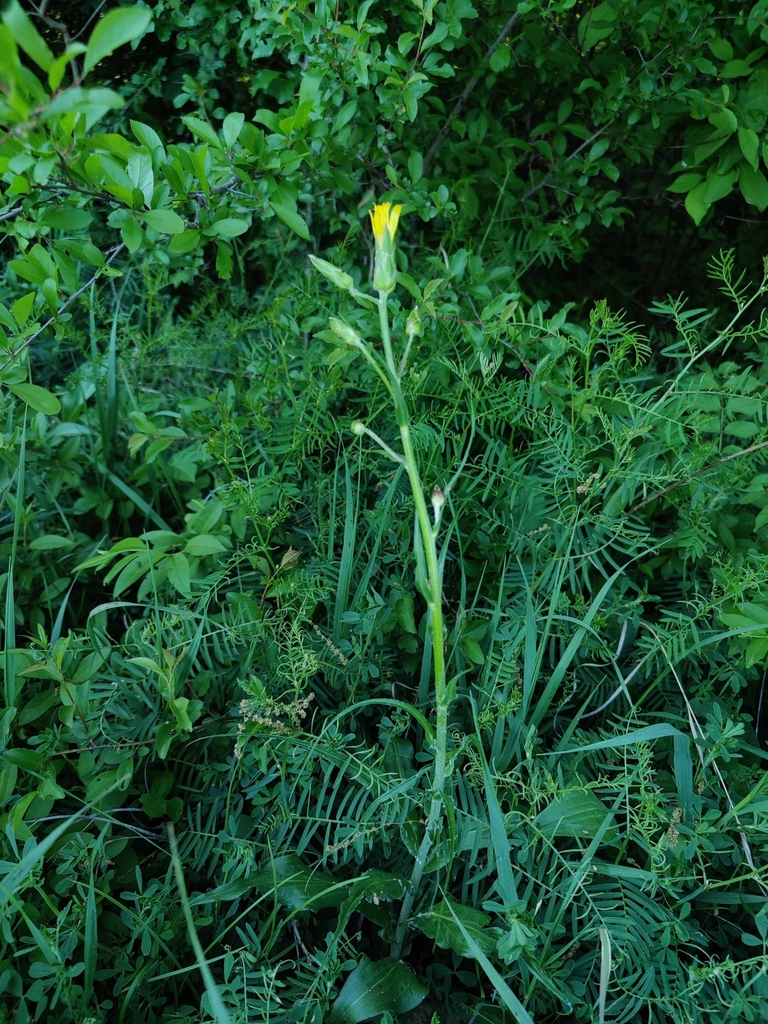
Early November, the real garden question is no longer "what to plant" but "what to leave in the ground". Good news: about ten vegetables ask for nothing else. Classed as "winter vegetables", they "stay in place in the garden without particular care all winter, often until April" — the simplest cellar there is, is the soil itself. The species-by-species tour.
The principle: the soil does the storing
The rule is simple: for one family of vegetables, no cellar, no clamping, no advance lifting is needed. You pull at the fork, as needed, all winter — the root or vegetable stays impeccable under the surface, sheltered by the earth itself. The documented list: winter carrot, kale, Savoy cabbage, Brussels sprouts, spinach, lamb's lettuce, parsnip, winter leek, Jerusalem artichoke — plus salsifies and scorzoneras, which resist in place down to −15 °C.
The champions of "I'll come back when I'm hungry"
| Vegetable | What stays | Until when | The watchpoint |
|---|---|---|---|
| Jerusalem artichoke | tubers in the ground | November → April | invasive — every forgotten tuber regrows; never lift ahead |
| Parsnip | roots in place | all winter, often April | no care; harvest on demand |
| Salsify / scorzonera | roots in the ground or in a 40 cm trench | Oct → Jan then March; −15 °C | fragile roots — wide fork; trench covered with leaves/straw if frost lingers |
| Brussels sprouts | plants in open ground | Dec → March (late varieties) | harvest by passes; protect from rabbits in snow |
| Lamb's lettuce / spinach | foliage in place, under cover ideally | all winter | air the frames on fine days; lamb's lettuce takes −8 to −10 °C |
| Winter leek / carrot | in the ground | all winter | carrot: clamping possible in hard frost |
| Endive (roots) | only pending forcing | 1-3 months in sand+peat box | unlike the rest: lifted before hard frosts, not to stay out |
Three cases not to confuse
1. What stays unprotected: Jerusalem artichoke, parsnip, salsify, scorzonera, Brussels sprouts, leek, winter carrot. The soil is enough — pick on demand.
2. What stays but likes a shelter: lamb's lettuce, spinach. Hardy but chilly at season's end — a fleece or a frame extends pickings without forcing the lift.
3. What must come in before hard frosts: the endive root (more frost-tender than wild chicory) and anything bound for forcing or cellar — beetroot, turnip, celeriac, potatoes. They lack the in-place privilege.
The move that prevents all waste: clean lifting
In-ground storage has one counterpart: every forgotten root regrows or rots. Three reflexes:
- Wide fork — work at a distance from the root so as not to wound it (every wounded Jerusalem artichoke root is a future stray).
- Reasoned picking — take what you need, leave the rest; staying in place is the storage, not an obligation to clear.
- Clamp for tender roots — salsify and carrot earn a covered trench if frost locks the soil for long.
And the crosne?
Honestly: the Japanese artichoke belongs to the same "winter vegetables" family in the corpus — planted by tubers in March, classed among those that stay. But it is one of the thinnest entries: neither harvest nor storage is detailed there. So we put it on the list with a caution note — try it like the Jerusalem artichoke, counting on the soil to keep it.
The organisation that follows
The logic is simple: everything that stays in the ground frees the cellar for what cannot — beetroot, turnips, potatoes, squashes. A well-run winter garden means two allocations: in the ground, what sleeps there; in the cellar, what can't take it. Mulch completes for the hardy ones that like a blanket (beetroot, celeriac under straw) — but for the ten on the list, soil alone suffices.
This "harvest on demand" principle changes the whole winter: less cellar to manage, less rot, and vegetables always fresh at cooking time. Next logical reads: the winter cellar for what goes inside — then winter mulching for the roots that like a roof.
Also read: the Jerusalem artichoke, the parsnip — two species details from the same family.