What to do in the vegetable garden in December? The month's jobs guide
Published by Germie in Garden calendar the
05/11/2026 at 16:33
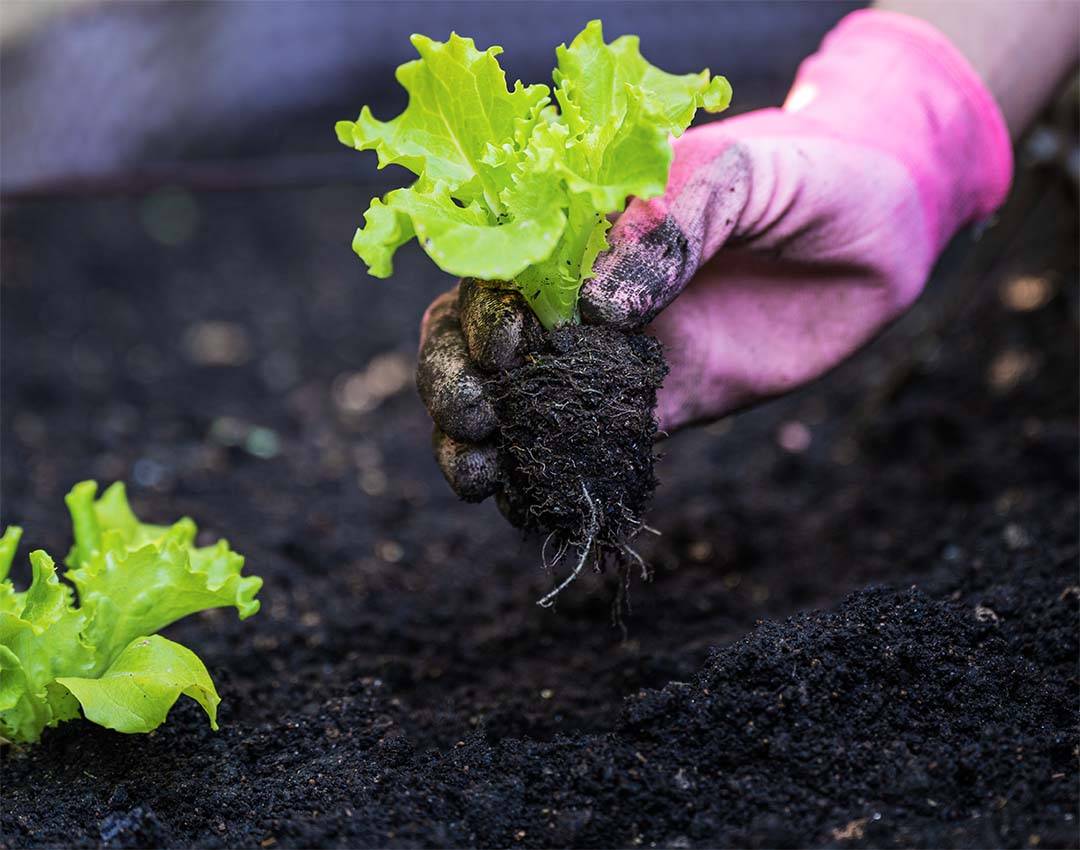
December in the vegetable garden is the month of protection and the last plantings: as long as the soil is neither frozen nor snowy, you can still plant — and harvest winter vegetables as needed. Here are the month's jobs, drawn from the traditional gardeners' calendars.
Planting: the month of bare roots
December remains a great planting month, on one condition only: the soil must be neither frozen nor snowy. The gardeners' calendars admit in December:
- Bare-root fruit trees and bushes — all species; the season runs until March.
- Soft fruit — blackcurrants, redcurrants, raspberries, frost permitting.
- Bare-root roses and ornamental shrubs.
- The last shallots — their planting window runs until January.
If your plants are heeled in and lasting frost is forecast, leave them: a well-made heel carries them unharmed until the thaw.
Sowing: under protection only
Outdoors, sowing season is over — the simple cold frame waits for January-February. But the calendars open from the first half of December sowing on a hotbed and under frame:
- early carrots on a hotbed, possibly paired with a row of radishes;
- lettuces on the same beds;
- leek seed on a hotbed — for February transplanting.
And indoors, nothing stops you preparing the season: a seed starting kit lets you raise seedlings ahead of time — steady temperature and enough light make all the difference, as our vegetable sowing calendar shows.
Harvests: December's pantry
The December vegetable garden still feeds you — harvests spread out as needed:
- Leaves: lamb's-lettuce and spinach leaf by leaf, leeks, Milan and Brussels cabbages (cabbages are picked as needed).
- Roots: carrots, parsnips, salsify, scorzonera, Jerusalem artichokes — the last two stay in the ground and are lifted as you go. Scorzonera can also be lifted and kept in the cellar.
- Endives: lift the last roots and store them in sand or dry soil — cellar forcing (~10 °C, dark) yields chicons in about three weeks, staggered all winter.
- Keeping fruit: last kiwis and medlars; inspect stored apples, pears, grapes and actinidia, discard marking fruit, and refresh the store's air — at least once a week.
Protection: the month's rule
The gardeners' calendar makes it the rule of December: cover with litter whatever stays in open ground as soon as hard frosts are forecast — lamb's-lettuce, carrots, spinach, chervil, lettuces under frame. Count about fifteen centimetres of straw; what you lift keeps cool in damp sand.
- Artichokes: in December they can be uncovered by day if covered at night; double the litter for hard frosts.
- Frames and mats: open on fine sunny days, close and double at night.
- Heeled cabbages: bring them under cover if not already done.
Soil, tools and review
December is also the month of deferred work:
- Rough digging of spring beds — let the frost work the soil over winter.
- Before any amendment, it is the right time to know your soil's pH.
- Garden notebook: late December, review the beds — what yielded, what froze, what to try again. It is January's best tool.
What can wait
Two jobs do not belong to December in the gardeners' calendars:
- General fruit-tree pruning — January-February work (in December, only pruning of late pip-fruit species is admitted, frost-free);
- Sowing in a simple cold frame — a January-February window.
To go further
- Gardening with the moon in December 2026 — the day-by-day windows
- What to do in the vegetable garden in November — the previous month