Winter mulching in the vegetable garden: materials and protection
Published by Germie in Gardening tips the
26/10/2026 at 22:30
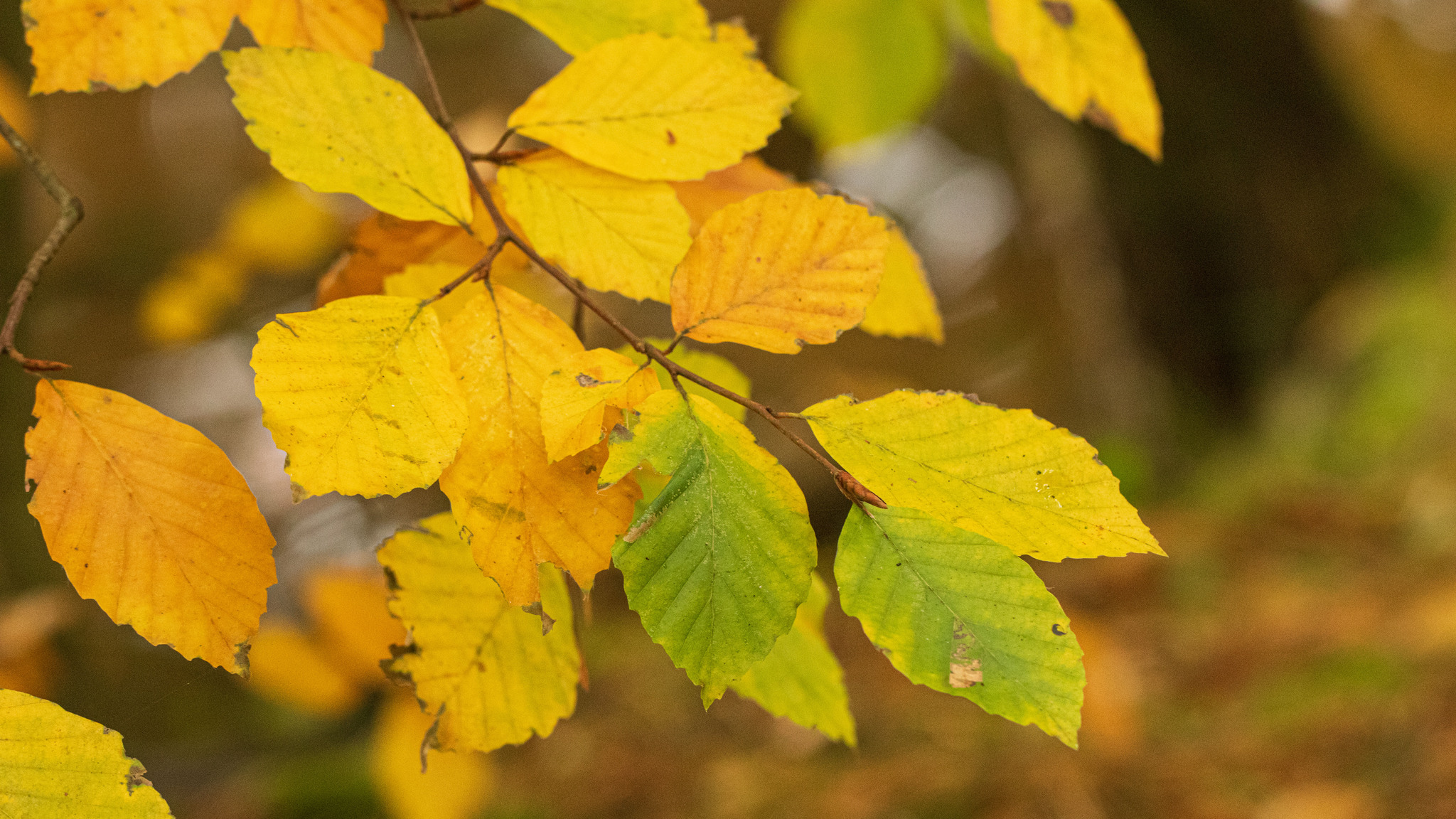
Late October, the beds are emptying: leeks remain, the last cabbages, a few beets — and the first frosts are coming. This is when winter mulching in the vegetable garden is decided: a good cover protects the soil from frost, from leaching rain and from the crusting that seals the surface. But not all materials are equal, and not all vegetables ask for the same thing — some spend the winter with nothing at all.
What a winter mulch is for — and what it is not
Autumn mulch does two distinct jobs that should not be confused. First, soil cover: a layer of organic matter shielding the topsoil from erosion, compaction under beating rain and cold, while feeding microbial life. Second, protection for a vegetable left in place: a mattress laid around a beet, a celeriac or a carrot kept in the ground to carry it through hard frost.
Timing: cover in autumn or early winter, once the plot is cleared, after loosening the surface with a claw — never on frozen or bone-dry soil. Adapt to the ground: on light soil a thin but compact layer is enough; on heavy wet earth go thicker but keep it airy.
Straw: the classic answer to hard frost
It is the best-documented winter protection. As an ordinary mulch between plants, allow 5 to 10 cm; for overwintering vegetables in place, go up to about 15 cm — that is the prescription that lets red beets and celeriac stay in the ground through hard cold. Around young fruit trees, mulch at 15 cm too. Spread straw loose and airy, or packed at the foot of plants as needed.
It suits the artichoke (extra protection for a barely-hardy crown), strawberry beds in a thick layer, strawberries and tomatoes — provided the straw is very clean, free of seeds. Two warnings: on humus-poor soil, fresh straw "locks up" nitrogen while it mineralizes — a passing but real penalty early in the season. And its freshness attracts slugs to lettuces and beets, plus small rodents that nest in it: keep watch. Alliums (garlic, onion, shallot), which want an open exposure, dislike it — as does a direct-sown carrot bed.
Dead leaves: November's free bedding
November supplies tonnes of leaves: as much free insulation for plants left in place. Their documented role: an extra layer at the foot of perennials and the less hardy perennial herbs — the artichoke first, covering cut-back perennials, protecting autumn plantings from frost. Blended into the garden's coarse cover, they belong in a 10-20 cm layer of organic matter.
Two traps: on the lawn, do not leave a thick mat — the grass rots beneath; rake with a metal broom and compost with the mowings. And if your leaves come from an orchard hit by bacterial canker (peach especially), do not mulch with them raw: they spread the disease — compost them into leaf mould instead.
Surface compost: the cover that feeds
The only "mulch" doing double duty — protection and amendment. Spread on the surface, it keeps microbial dynamics going, prevents erosion and compaction through winter, and allows an early spring restart: the top layer drains fast and can be worked early.
The doses: 3 to 15 cm of mature compost (30 to 150 litres per m²) — the poorer the soil, the thicker the layer; 5 to 15 cm under fruit-tree canopies. One requirement: fully decomposed compost. That detail makes it compatible with every crop, including fine seedlings and alliums — whereas fresh organic matter bothers them. No spring removal: the layer is worked in superficially or topped up.
Hay, chippings, grass clippings: the supporting cast
Hay: usable as bedding on one condition — "old hay, cut young and before seed set". Seeded hay means a guaranteed weed bed in spring.
Wood chips (ramial chipped wood): "especially rewarding" — they stimulate microbial activity and nitrogen-fixing bacteria. But keep them for soils already rich in humus: woody and cellulosic, they release little immediate fertility and lock nitrogen like straw on poor ground. Keep away from seedbeds and fresh transplants.
Grass clippings: never as winter mulch — they belong in the compost heap as fresh matter, mixed with dead leaves.
Which vegetables overwinter under mulch — and which need none
| Vegetable | Overwintering | Mulch / depth |
|---|---|---|
| Red beet, celeriac | in the ground if soil drains well | ~15 cm of straw against hard frost |
| Carrot | left in place in mild regions | straw cover (free depth) |
| Carrot, winter lettuce, endives | hard-frost protection required | layer of straw or fleece |
| Artichoke | barely hardy | mulch at the crown + 5-10 cm around |
| Spinach, lamb's lettuce, cabbages (curly, Savoy, Brussels), parsnip, Jerusalem artichoke, leek | in place all winter, often until April | no mulch — hardy, no particular care |
| Garlic, onion, shallot | bothered by fresh organic matter | no mulch |
The lesson: the truly hardy crops (leek, parsnip, Jerusalem artichoke, lamb's lettuce, spinach, winter cabbages) overwinter in open ground asking for nothing — mulch earns its keep on the borderline cases: beets, celeriac, carrots, artichokes, winter lettuces and endives.
Fleece and cold frame: when mulch is not enough
For salads and harvests that continue, fabric or rigid covers take over. Non-woven fleece, water-permeable, is laid on the soil or right over the plants before the cold arrives: it protects from beating rain, some pests and bird pecks — and fleece laid directly on vegetables lets you harvest beyond the first frosts (spinach, lamb's lettuce, winter lettuce, endives, carrots).
The cold frame (the classic box is 20 cm high at the front, 30 cm at the back) gets stuffed with straw and covered with mats at the first frosts for salads and herbs. In -3 to -4 °C frosts, the frames themselves are covered with mats on cold nights. One absolute rule: ventilation — open frames and cloches as soon as the weather softens and on fine sunny days, or the salads rot.
What we will not sell you here
In our documentation, several much-praised materials actually lack any established overwintering protocol: hemp or flax flakes, pozzolan, oyster shells, holly or thorny branches, comfrey leaves as mulch. That does not forbid them — hemp flake covers very well in season — but nothing proves their specific effectiveness against winter, and we will not advise relying on them for beets at -10 °C.
Mistakes to avoid
- Mulching frozen or too-dry soil — the layer locks in the wrong state.
- Mulching too early a still cold, wet spring soil — it warms up late.
- Covering alliums or a future carrot seedbed.
- Seeded hay or soiled straw — a weed bed by March.
- A thick leaf mat on grass — the green rots underneath.
- Forgetting slugs and voles — fresh mulch is also a hotel.
- Opening the frame too late — salads rot in winter sunshine.
- Mulching leeks, parsnips or Jerusalem artichokes — pointless, they are hardy.
Well chosen, winter mulch keeps the soil alive until spring and saves you rescuing frozen vegetables. The logical next read: protecting the vegetable garden from the cold in detail — fleece, frames and clamps — then storing the harvest all winter for what comes indoors.
Also read: which green manures to sow in October-November and harvesting and storing your vegetable seeds.