Overwintering a potted citrus tree: cool, dry, bright — the right moves
Published by Germie in Gardening tips the
05/11/2026 at 16:35
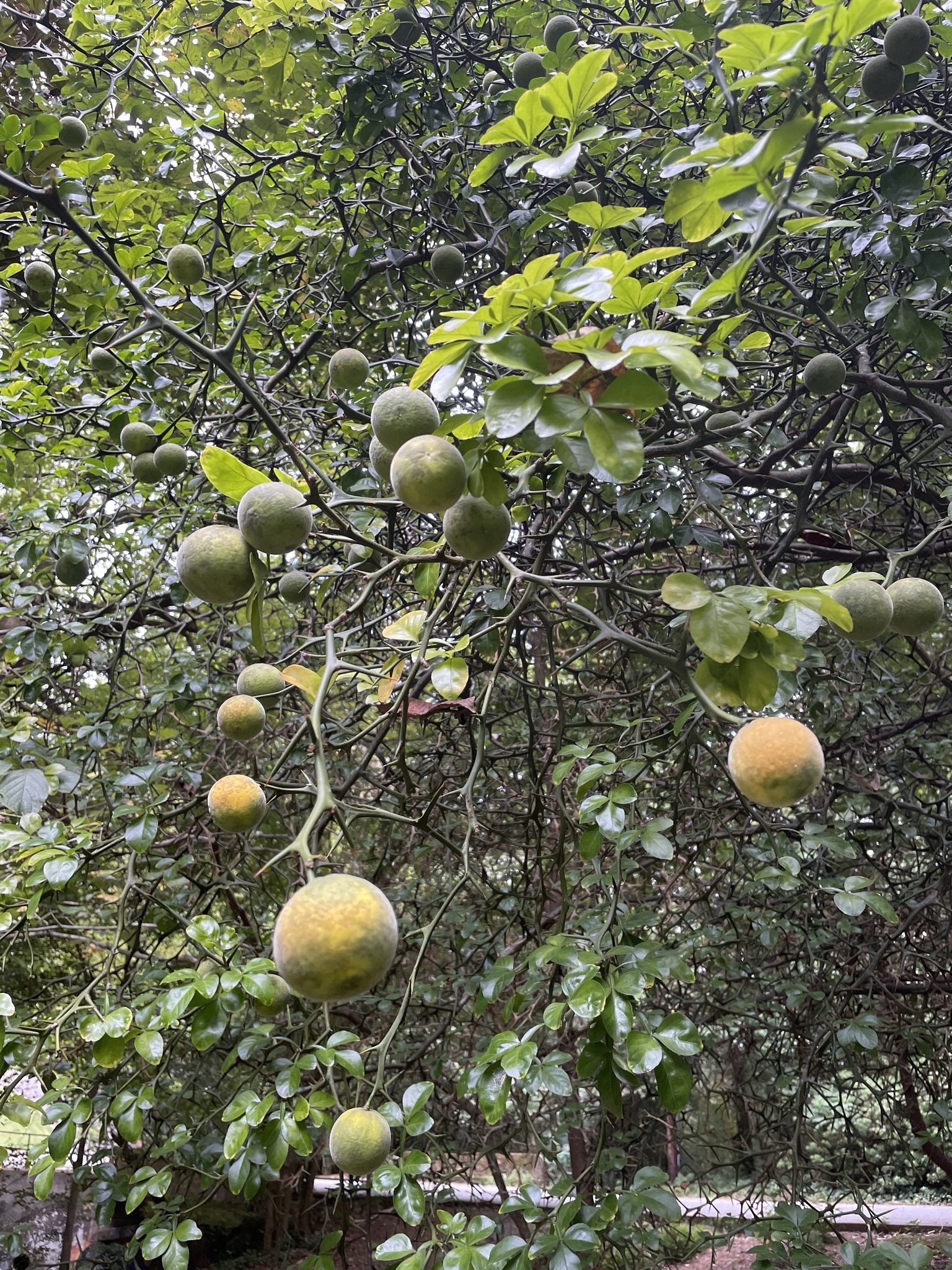
It's time: late October, the first cool nights arrive and potted orange, lemon and other citrus trees must come in. But overwintering citrus hides a trap many miss — they get placed too warm and too dark. Here are the right moves.
The right threshold: neither hardy nor fussy
- Like all citrus, oranges are not frost-hardy — in temperate areas they do best in a greenhouse unless your garden is particularly sheltered.
- They are subtropical fruits, on evergreen trees that need plenty of warmth and shelter — reserved for mild regions in open ground.
- Hardiness of the four-seasons lemon: rated to -3 °C (the aerial parts freeze), but it is truly endangered below -7 °C; the Meyer holds to about -7 °C.
The real secret: cool, dry and bright
Counter-intuitive but true: the orange tree likes cold, dry and sunny winters. A citrus wants bright coolness in winter, not a living room heated to 22 °C. The options that work:
- Cold greenhouse or conservatory: ideal — overwinter your lemon tree in a cool, bright room (5 to 12 °C) like a conservatory. Careful: shelter it from frost and wind.
- Lit garage or shed: possible — lemon trees get through winter this way, provided it stays frost-free and you don't forget light when moving back out.
- Bright indoors: near a large window, far from the radiator. That's where the LED grow light makes full sense: it makes up for the short winter days.
The winter regime: do almost nothing
- Watering: in winter, one watering every 2-3 weeks is enough if the plant is kept cool. The goal: keep the soil slightly moist, never sodden or bone dry.
- No fertiliser: the plant is idling; any stimulation pushes it to emit fragile shoots without enough light.
- Monitoring: check the leaves, young shoots and fruit regularly to act early — scale insects and aphids love dry indoor air.
Leaves falling? The diagnosis
Leaf drop at move-in time is the n°1 symptom. The causes: too much water, too little water, air too dry (heating), or lack of light — check drainage, watering and location. Often also a thermal shock or irregular watering: stabilise conditions and wait. Persistent yellowing can signal the classic chlorosis of potted citrus: apply iron or citrus fertiliser — better left to the restart of growth.
The calendar of moving in and out
- October-November: move in before the first frosts, gradually if possible.
- November-March: winter rest in the cool and light — and it is also harvest season, which generally runs November to March.
- April-May: move out once frosts are past — gradually, to avoid the light shock that burns the leaves.
And while they overwinter… the pips get sown
The winter rest of potted citrus is also the ideal season to start their sowings in the warm: germinating an orange pip or a lemon pip can be done indoors any time of year — a slow, steady emergence that the heating mat and the LED lamp noticeably speed up.
Growing calendar
| JAN | FEB | MAR | APR | MAY | JUN | JUL | AUG | SEP | OCT | NOV | DEC | |
|---|---|---|---|---|---|---|---|---|---|---|---|---|
| Sowing | ||||||||||||
| Cutting / incorporation |