Lunar calendar: week of 26 October to 1 November 2026
Published by Germie in Garden calendar the
24/10/2026 at 08:00
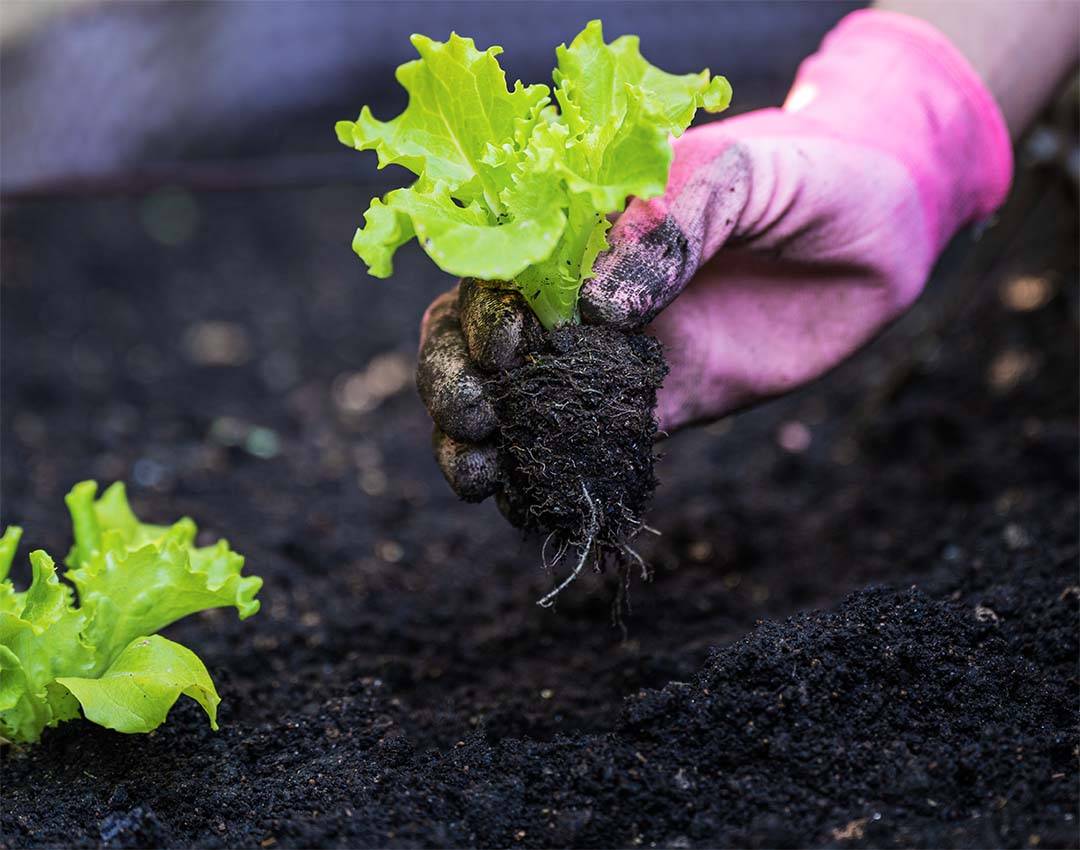
Lunar calendar: the week of Monday 26 October to Sunday 1 November 2026
A pivotal week: full moon on Monday 26, perigee on Wednesday 28 and the switch to a descending moon on Thursday 29 — not forgetting the clocks going back on Sunday. Two moods: the start of the week stays ascending (sowing and harvesting), the end turns descending (planting). Here is the day-by-day agenda.
Contents
- Mon 26 – Tue 27: seed and fruit days
- Tue 27 evening – Wed 29: root days
- Fri 30 – Sat 31: flower days
- Sunday 1 November: leaf day
- Times to avoid
- FAQ
- Plant strawberries and soft fruit: autumn strawberry planting gives established plants for spring.
- Sow broad beans in mild areas — traditional gardeners' calendars date broad-bean sowing to October-November for mild regions.
- Harvest keeping apples and pears, medlars and persimmons — picking on a fruit day is the calendar tradition for better keeping.
- Plant blackcurrants, currants and raspberries: autumn soft-fruit planting is in full swing.
- Plant garlic, shallots and white onions: aim for Tuesday evening or Wednesday morning — after 18:00 on Wednesday, perigee calls for caution (see below).
- Finish lifting root vegetables and clamp or store them: beetroot, carrots, parsnips, celeriac.
- Prepare the beds: hoe and cover empty soil before the November rains.
- Plant bare-root roses and flowering shrubs: flower day + descending moon, the classic planting combination.
- Continue with spring bulbs and perennials.
- Lightly cut back faded perennials and protect tender plants: the descending moon is also cutting season.
- Harvest leeks, Brussels sprouts and self-blanching celery for the week.
- Bring in chicory roots for forcing in a dark, cool room.
- Earth up and mulch artichokes — winter protection starts now; for cardoons, simply continue the blanching started in October.
- Wednesday 28 October at 18:00: perigee. The moon is at its closest to Earth; the French tradition recommends a caution window of up to 24 h either side of the instant — do your root planting on Tuesday evening or Wednesday morning rather than Thursday.
- Full moon Monday 26 at dawn: some calendar gardeners also mark a pause — nothing compulsory, it is a matter of convention.
Monday 26 and Tuesday 27 October: seed and fruit days
The week opens under the full moon (Monday 26 at 04:11), on seed and fruit days — the moon enters Aries and stays there until Tuesday evening.
Tuesday 27 evening to Wednesday 29 October: root days
From Tuesday 19:00, the moon enters a root-day stretch for two full days — the last real root window of the ascending moon.
Friday 30 and Saturday 31 October: flower days, descending moon
On Thursday 29 at 17:30 the moon turns descending — autumn's great planting signal — then enters flower days on Friday: the calendar's classic combination holds all weekend.
Sunday 1 November: leaf day
November opens on a leaf day under a descending moon, just before the last quarter (Sunday at 20:28).
Times to avoid this week
FAQ
Why do the times change mid-week?
The clocks go back on Sunday 25 October at 2am. All times in this article are already given in London time after the change (GMT, UTC+0) — no conversion needed.
Descending moon: why plant then?
In lunar-calendar tradition, the descending moon draws sap back towards the roots: it is the preferred period for planting out and cuttings — grafting, by contrast, is done under an ascending moon. See the detail in our biodynamic calendar guide.
Real astronomical times, London time (GMT). Seasonal tasks follow traditional gardeners' calendars; lunar recommendations belong to tradition.
The full year: lunar garden calendar 2026-2027.