Spinach (Spinacia oleracea): the leaf vegetable that laughs at winter, from sowing to plate in 40 days
Published by Germie in Vegetables the
05/11/2026 at 16:33
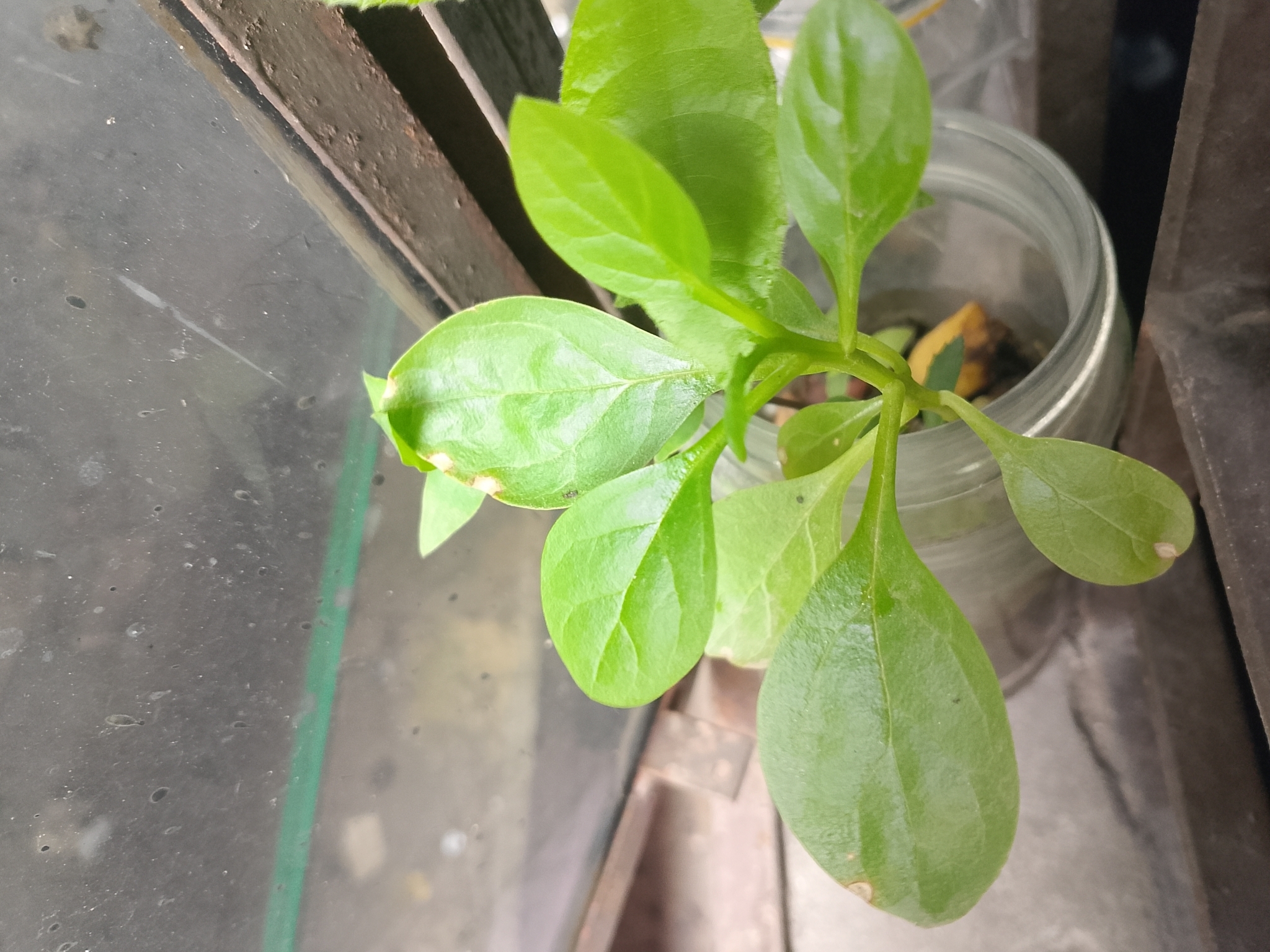
Spinach (Spinacia oleracea): the leaf vegetable that laughs at winter, from sowing to plate in 40 days
Spinach (Spinacia oleracea) is the leaf vegetable of the cold season par excellence: where most crops shut down, it winters in open ground with no protection and withstands -8 to -10 °C. Sown between August and October, it produces tender leaves all autumn, restarts at the slightest thaw, and is picked leaf by leaf right into spring — the ideal companion for winter plates.
It is also a crop of paradoxes: the supposed iron superstar — its reputation actually exceeds the reality — its real strengths are a high nitrogen content, rare for a leaf vegetable, and a slightly tangy flavour that makes it a winter vegetable of great nutritional value. And whether you are a beginner or a seasoned gardener, one rule suffices: never sow in midsummer, because heat makes spinach bolt instead of producing leaves.
Contents
- Sowing & harvest calendar
- Identity card
- From Persia to European tables
- Sowing spinach
- Growing tips
- Harvesting leaf by leaf
- Varieties: round or prickly seeds
- Saving your own seed
- In the kitchen
- Diseases and pests
- Precautions and look-alikes
- Frequently asked questions
- Latin name: Spinacia oleracea
- Family: Amaranthaceae — the beet and orache family (formerly Chenopodiaceae)
- Type: annual leaf vegetable, grown as a biennial for winter production
- Origin: the Middle East — Iran and Turkey
- Cycle: 40 to 50 days from sowing to first harvest depending on the season; the developed plant withstands even intense cold
- Hardiness: outstanding — -8 to -10 °C in the open, unprotected; the frost-season vegetable
- August to October for the main autumn and winter crop — spinach, like lamb's lettuce, barely minds the cold and uses every mild spell to keep growing all winter long.
- February-March for spring production: start sowing the spinach you need and continue in succession until the end of May — an early-March sowing yields from 15 April, a late-May sowing is harvested in early July.
- In the first half of September to harvest in January: the "winter stores" sowing.
- Never in midsummer: heat makes spinach flower instead of producing leaves — the golden rule of this crop.
- Seed germinates best between 15 and 20 °C: it enjoys the still-cool soils of September or February.
- In rows, never in a seedbed: there is no transplanting — spinach is sown directly where it will grow.
- Lay the seeds at the bottom of a drill, cover with soil and firm with the back of a rake — good seed-to-soil contact is the key to even germination.
- Spacing: 30 cm between rows; sow thinly along the line then thin to 10-15 cm between plants once they are 10 cm tall.
- Depth: shallow — do not bury the seeds, so germination is fast and even; spinach is prone to damping-off in waterlogged soil.
- For a family of 4 to 6, allow about 400 plants, in two sowings of 6 m² each.
- Position: a bright, open spot in the vegetable garden; sun or light shade for an early sowing.
- Soil: cool, slightly humus-rich, and above all "settled" — ground prepared several months ahead, loosened only on the surface at sowing time. Spinach dislikes freshly deep-dug soil.
- Water: cool soil, not waterlogged — excess moisture encourages damping-off and root rots, to which spinach is very sensitive early in the cycle.
- Temperament: it dislikes heat but bears cold well — once developed, even intense cold does not faze it.
- Companions: it pairs well with cabbages and turnips; broad beans offer it nitrogen and shade, slowing bolting. It also sits happily with garlic, tomato, lettuce and carrot.
- Watch out: spinach produces a substance that hampers beets and chards — keep them apart in the garden.
- First harvest 40 to 50 days after sowing depending on the season — longer in winter, quicker in spring.
- Pick leaf by leaf, starting with the outer leaves and sparing the centre: the heart keeps producing.
- A sowing is harvested in 3 or 4 passes about 20 days apart — yield around 2 kg per 3 metres of row.
- At the final picking, the whole plant is cut at the collar and the leaves sorted.
- Late-August sowings supply autumn; September sowings can still be picked after the cold snaps — spinach winters outdoors without protection.
- Matador — an autumn spinach with broad, thick, dark-green leaves, of excellent eating quality and heavy yield
- Monstrueux de Viroflay — the historic giant with very large leaves, a classic of 19th-century Vilmorin catalogues
- Géant d'hiver (Winter Giant) — the name says it all: built for late-season sowings
- Resistoflay and Samos — modern varieties for autumn and spring production
- Dutch spinach — an old broad-leaved variety, "generally esteemed" by 19th-century gardeners
- English spinach — the most heat-tolerant according to Paris market gardeners of the day
- Downy mildew (Peronospora farinosa f. sp. spinaciae): the most widespread and destructive spinach disease — yellow patches on the leaves, greyish-white fluffy growth underneath. In muggy, damp weather the mould can spoil the foliage; well-drained soil and airy plants reduce the risk.
- Damping-off and root rots: spinach is very sensitive early in the cycle, especially in waterlogged soil — sow shallow, into an even seedbed that promotes rapid germination, and avoid overwatering.
- Slugs and aphids: the two main pests — slugs love young autumn plants, and aphids also transmit viruses (cucumber mosaic).
- Caterpillars and leaf miners: various caterpillars leave large ragged holes in the leaves, and miners tunnel galleries — watch the plants and remove attacked leaves.
- Note: spinach white rust, a very damaging disease, has only been reported in the USA; anthracnose and leaf spots remain minor problems in Europe. In a well-run organic garden, spinach is virtually free of pests and diseases.
Sowing & harvest calendar
| JAN | FEB | MAR | APR | MAY | JUN | JUL | AUG | SEP | OCT | NOV | DEC | |
|---|---|---|---|---|---|---|---|---|---|---|---|---|
| Spring-summer sowing | ||||||||||||
| Autumn-winter sowing | ||||||||||||
| Harvest |
Green: sowing in open ground. Spring sowings (February-May) yield leaves from April to July; autumn sowings (August-October) produce in autumn then all winter — orange: main-season harvests; pale yellow: winter harvests on plants that shrug off the cold unprotected.
Identity card
The plant. A low herb 15 to 30 cm tall, spinach forms a rosette of hastate or oval-oblong leaves depending on the variety, bright to dark green, thick and crisp. When it bolts, it raises a 50-60 cm stem bearing dioecious flowers — male and female on separate plants — tucked in the leaf axils, then round or prickly seeds depending on the variety group.
What we eat. The leaves, raw when young and tender, cooked later — and that is all: no root, no fruit. Their slightly tangy flavour and unusually high nitrogen content for a leaf make them a first-class winter vegetable.
From Persia to European tables
Spinach was born in the Middle East, around present-day Iran and Turkey — the Persian homeland that old herbals simply called "Asia". It conquered Europe's kitchen gardens and variety catalogues multiplied: by the 19th century, French seedsmen already distinguished the broad-leaved "Dutch spinach", "generally esteemed", from the "English spinach" that Paris market gardeners found more heat-tolerant.
Then there is the iron legend: spinach contains less of it than people tend to think — its true wealth lies elsewhere, in its nitrogen content and its unique ability to produce fresh leaves while the vegetable garden sleeps.
Sowing spinach: the cool-season crop
When to sow?
How to sow?
Growing tips
Harvesting leaf by leaf: the picking that lasts
Varieties: round-seeded or prickly-seeded
Old-time gardeners sorted spinach into two groups by its seed: round or prickly — a trait obvious at sowing time. Mostly, you choose a variety for the season: some are bred for autumn and spring production, others better resist heat.
Saving your own seed: think dioecious
A rarity in the vegetable garden: spinach is dioecious — there are male plants and female plants, bearing different axillary flowers. To harvest seed, you must keep several plants bolted so they can pollinate each other.
The flowering stem reaches 50 to 60 cm, and the seeds forming on female plants are round or prickly depending on the variety — those little angular husks, clearly visible on plants at the end of the cycle, once gave spinach its Dutch name "scherpzaad" (sharp seed). Cut the stems when the seeds turn brown and dry them before threshing.
In the kitchen: the leaf that loves butter, cream and eggs
Spinach cooks simply: lightly blanched or tossed in olive oil or meat juices, then served with a knob of butter or with cream. It is the classic partner of eggs — poached or fried, the famous "à la florentine" style — and a pillar of pies: the koulibiac, a hot pie filled with salmon and spinach, owes it part of its character.
Kitchen tip: spinach cooking water works as a food colouring, notably for green pasta. And to keep the harvest another way, lemon spinach lacto-ferments in a jar: leaves stemmed and stripped of the thick central rib, rinsed, salted, then packed in turns with garlic and lemon slices.
Diseases and pests
Precautions and look-alikes
Only one true spinach. Botanically, "spinach" means the single species Spinacia oleracea — but other leaf vegetables borrow its name at the market or in the kitchen (perpetual "spinach", New Zealand spinach and other so-called spinach leaves): they are different plants, with different cycles and needs. Always check the Latin name on the seed packet.
Round or prickly, same species. Do not be surprised by the seed shape: varieties split between round seeds and prickly seeds — not two species, but two variety groups of the same spinach.
In the garden: if a plant winters in your plot, remember it is dioecious — only females bear seed, and only if a male is nearby. And as always: never eat a plant you have not identified with certainty — when in doubt, leave it out.
Frequently asked questions
When should I sow spinach?
Two windows: August to October for the autumn-winter crop (sow in the first half of September for a January harvest), and February to late May for spring production. Never in midsummer: heat makes the plant flower instead of producing leaves.
Does spinach fear frost?
No — it is one of the hardiest vegetables in the garden. Once developed, it winters in the open without protection and withstands -8 to -10 °C, resuming growth with every mild spell.
Why is my spinach bolting?
Almost always heat: sown in summer, the plant flowers instead of making leaves. Sow in the cool season — and a companion trick: broad beans give spinach shade and nitrogen, which slows bolting.
Can spinach be transplanted?
No — there is no transplanting. Spinach is sown in place, in rows 30 cm apart, then thinned to one plant every 10 to 15 cm.
When and how do I harvest spinach?
40 to 50 days after sowing depending on the season. Pick leaf by leaf from the outside in, sparing the heart: you will get 3 or 4 passes about 20 days apart, roughly 2 kg per 3 metres of row. On the last pass, cut the whole plant at the collar.
Is spinach really rich in iron?
Less than its legend: it contains less than people tend to think. Its real strength is a high nitrogen content — remarkable for a leaf vegetable — and its ability to deliver fresh leaves in the depths of winter.
Fancy fresh leaves all winter? At Germie, our germination kits get your autumn sowings off to a record start — and for the cool, "settled" soil spinach loves, the Gardiscan analyses your earth before the season.