Garlic: How to Grow, Harvest and Store This Versatile Plant
Published by Germie in Vegetables the
19/09/2026 at 00:42
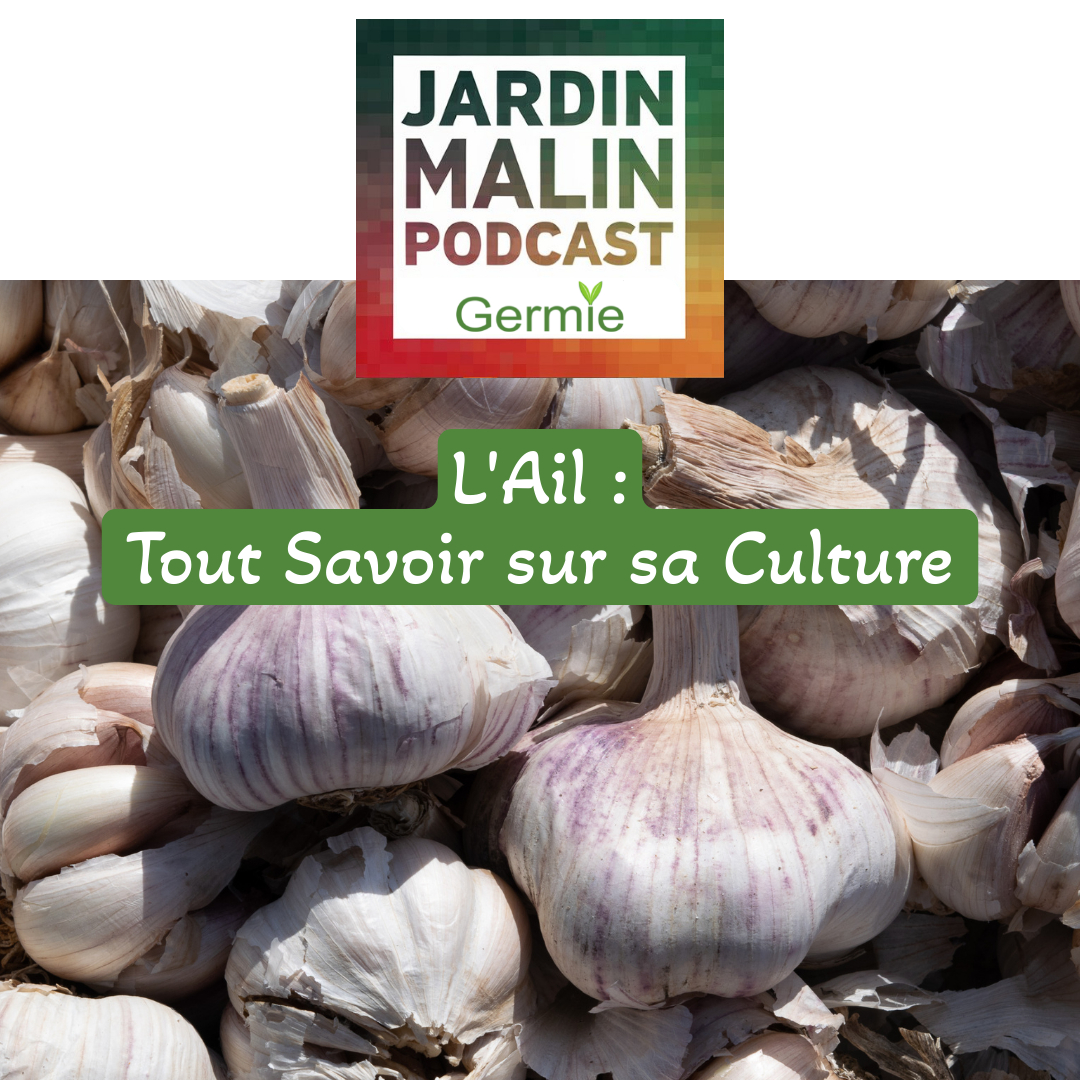
Introduction
Garlic (Allium sativum) is a versatile plant, prized both for its culinary and medicinal properties. Growing your own garlic offers several advantages: superior taste, the guarantee of pesticide-free cultivation and the satisfaction of harvesting a homemade product.
Listen, download and subscribe to our podcasts: JARDIN MALIN
They are also available on Apple Podcasts, Spotify, iHeartRadio, Amazon Music / Audible, Castbox, Deezer and Podcast Addict
Importance of growing your own garlic
- Quality: you know exactly what goes into culture.
- Economy: reduction in in-store purchasing costs.
- Accessibility: possibility of choosing specific varieties to your taste.
Purpose of the guide
This guide aims to support you at every step, from planting to storing garlic. You will discover:
- When to plant garlic
- How to prepare the ground
- Maintenance best practices
- Harvesting and storage techniques
By following these tips, you will be able to fully benefit from the benefits of this essential aromatic plant.
When to plant garlic?
The best time to plant garlic is generally in November. This season coincides with cool temperatures, favorable for root development. Colder soil stimulates bulb formation and growth, which is essential for a bountiful harvest.
Tips for getting started
If outdoor conditions are not favorable, you may consider starting planting indoors. Use pots filled with light, well-draining potting soil. Place them in a bright, cool place until the pods begin to sprout.
Garlic varieties
Garlic varieties are mainly divided into two categories:
- Softneck garlic: Resistant to diseases, it grows well in various climates.
- Hardneck Garlic: strong and rich flavor; ideal for culinary dishes.
The choice of variety must take into account the desired taste as well as the climatic conditions of your region. White varieties are often suitable for temperate climates, while purple and red varieties thrive better in warmer environments.
By taking these elements into account, you will be able to maximize your chances of success in growing garlic. The method chosen and the type of garlic will have a direct impact on the quality and yield of your harvest.
Monitor and maintain garlic growth
Soil preparation is a crucial step before planting garlic. Well-prepared soil promotes optimal development of roots and bulbs. Here are some things to consider:
- Importance of preparing the soil before planting
- Soil rich in organic matter and well drained is essential for garlic growth. By amending the soil, you improve its structure and fertility, which is beneficial for plants.
- Techniques for loosening the soil
- Use a tiller or fork to work the soil deeply. This helps aerate the soil and eliminate compaction, thus promoting good rooting. Good soil aeration also helps retain moisture while preventing waterlogging.
- Pod depth and spacing when planting
- When planting, it is recommended to place the pods at a depth of 7 to 10 cm, with the pointed end pointing upwards. The spacing between each pod should be 10 to 20 cm, with rows 20 cm apart. This pattern ensures proper development and reduces competition between plants.
Careful preparation of the soil will allow you to optimize your chances of obtaining an abundant and tasty harvest.
Monitor and maintain garlic growth
To ensure proper garlic care, it is crucial to know when to harvest it. Here are some signs that the garlic is ready:
- Yellowing foliage: When the leaves start to yellow, this indicates that the bulbs are ripening.
- Wilting of leaves: More advanced wilting can also signal that it is time to act.
Harvesting requires a delicate approach to avoid damaging the bulbs. Here are some effective methods:
- Using a garden fork: Gently push the fork around the plants to lift the bulbs without breaking them.
- Pull carefully: Pull on the stem of the garlic while slightly lifting the bulb from the ground.
Once harvested, drying the bulbs is of paramount importance. This helps extend their shelf life and prevents rotting. The following steps are recommended:
- Sun drying: lay the bulbs flat in a sunny place for a few days.
- Storage in a cool, dry environment: after drying, place them in a suitable space to preserve their quality.
These practices ensure good growth of garlic plants and guarantee a successful harvest.
Optimal storage of garlic
Thegarlic storageis essential to preserve the quality and flavor of the bulbs. Here are the ideal conditions to respect:
- Cool, dry space: choose a well-ventilated place, protected from humidity and direct light. A temperature between 10 and 15°C is ideal to avoid germination.
For storage, different techniques can be used:
- Braiding: this method consists of braiding the leaves of the garlic heads together. This saves space while providing a beautiful presentation.
- Mesh bags: Using mesh bags also allows for good air circulation, which helps keep the bulbs dry.
Shelf life varies depending on garlic varieties:
- White garlic: generally, it keeps between 6 and 12 months.
- Purple garlic: its lifespan can reach up to 8 months.
- Pink or red garlic: these varieties tend to keep for a shorter time, around 4 to 6 months.
The choice of techniques and storage conditions directly influences theconservation of bulbs. Therefore, special attention must be paid to this aspect to fully benefit from the benefits of your harvest.
Additional Tips for Growing Successful Garlic
Growing garlic can be even more productive thanks to a good companion garden approach. Here are some tips:
- Companion with roses and other plants: garlic is known for its natural synergy with certain plants, notably roses. By planting garlic near rose bushes, you can not only improve the health of the flowers, but also reduce the risk of disease thanks to garlic's antifungal properties.
- Natural Pest Control: Garlic also repels several harmful insects. Its strong odor acts as a natural repellent against aphids and other parasites. By integrating garlic into your vegetable garden, you promote a healthy environment without resorting to chemical pesticides.
- Other Tips for Maximizing Garlic Production :
- choose the location carefully, ensuring adequate sunlight;
- avoid waterlogging by ensuring good soil drainage;
- consider enriching the soil with compost or manure before planting.
These strategies can greatly improve your garlic growing experience while providing additional benefits to your garden.
Conclusion: grow your own garlic!
Growing your own garlic offers many benefits. Not only will you have access to fresh, tasty bulbs, but the personal satisfaction associated with this horticultural adventure is unparalleled.
Benefits of growing your own garlic
- Superior quality: Garlic grown yourself is richer in flavor and nutrients.
- Economy: reduce purchasing costs by producing it yourself.
- Control: choice of varieties according to your tastes and climatic conditions.
The culinary benefits of garlic are known, but its health benefits should not be neglected. Rich in antioxidants, it helps strengthen the immune system. To get off to a good start, know that the ideal time to plant garlic is generally between October and December for fall varieties. Don’t wait any longer, embark on this wonderful gardening experience!
Frequently asked questions
When should I plant garlic?
The best time to plant garlic is in November, when temperatures start to get cool. This promotes root development.
What are the differences between garlic varieties?
There are mainly two types of garlic: soft-neck garlic and hard-neck garlic. Each type has its advantages and disadvantages, and the choice will depend on your personal taste and the climatic conditions in your region.
How to prepare the soil before planting garlic?
It is essential to prepare the soil well before planting. Use a tiller or fork to loosen the soil. Also be sure to respect the depth and spacing of the pods when planting.
What signs indicate garlic is ready to harvest?
Signs that garlic is ready to harvest include yellowing foliage. It is important to harvest carefully to avoid damaging the bulbs.
What are the ideal conditions for storing garlic?
For optimal storage, keep garlic in a cool, dry space. You can also braid the stems or use mesh bags for easier storage.
What tips can I follow to maximize my garlic production?
Companioning with roses and other plants can help improve garlic growth. Additionally, garlic plays a role in natural pest control, which can increase your production.