Chili pepper (Capsicum frutescens): hot sowing, growing and harvest
Published by Germie in Vegetables the
05/11/2026 at 16:33
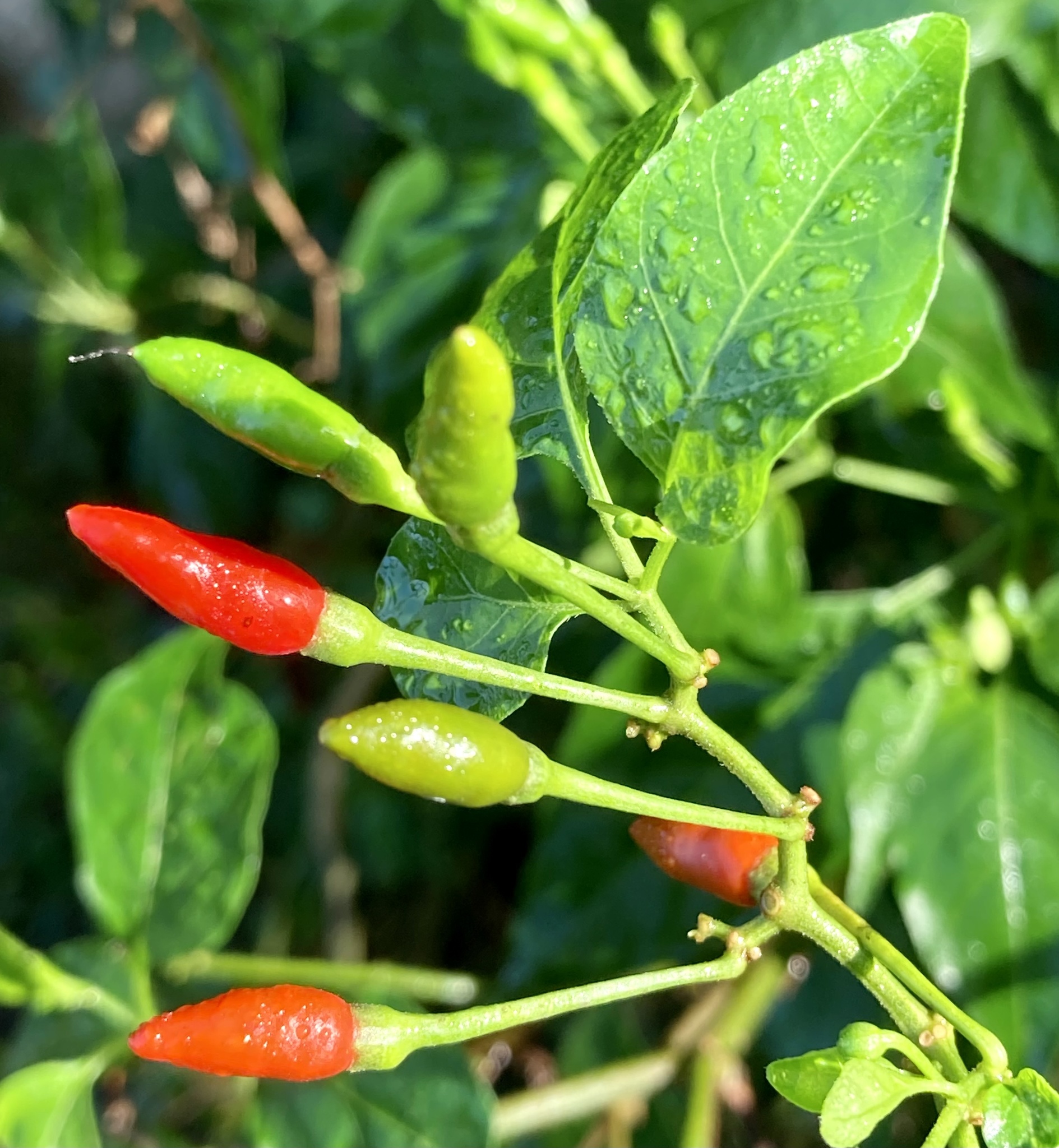
The chili pepper (Capsicum frutescens) is one of the most widely grown Capsicum species in the world — it carries the famous 'Tabasco'. A warmth-loving plant par excellence, it is sown warm very early in the year — exactly the kind of crop for which a heated germination kit makes the difference.
A plant that loves heat
Chili peppers demand plenty of warmth, especially early in their growth. A well-known gardener's rule sums up its climate needs: the Tabasco pepper succeeds wherever fig trees overwinter outdoors unprotected — in other words, where frosts are rare and summers long.
Frutescens means "bushy": its cultivars form compact plants with upright fruits that ripen from pale green to red. A single well-managed plant can yield around a hundred fruits in a season. Heat is measured in Scoville units: 'Tabasco' and its close relatives sit around 30,000–50,000 SHU — a genuinely hot pepper.
Sowing: warm, and very early
All growing experience converges on one point: chili peppers need an early, heated sowing.
- Sow seeds at 18–21 °C in a seed tray or pan, kept warm — classically in March.
- The growing season is long: starts must be raised indoors very early, then potted on in April, still warm.
- Allow several weeks of protected growing before any final planting out.
A complete seedling kit with heating mat and LED lamp covers exactly this need: steady warmth at the root zone plus enough light to prevent leggy plants. At transplanting and for the first weeks, the heating mat keeps the substrate at the right temperature.
Planting and care
- Plant out in full sun, in well-worked soil, after the last frosts.
- Chili appreciates mulch that keeps the soil cool, but needs steady, regular watering.
- Stake tall plants firmly: fruit-laden branches snap easily.
- One or two plants are plenty for a household — production is generous.
- Compact C. frutescens cultivars are particularly good in pots and make handsome patio plants.
Harvest
Pick fruits as needed: they can be taken green and milder, or left on the plant until fully red to gain heat and aroma. For drying, wait for the autumn harvest and fully coloured fruits.
Companions and pests
The chili's requirements are surprisingly similar to basil's — same need for heat and consistency — making them natural bedfellows. Pests are few: slugs on young plants, aphids and red spider mites in hot summers. Chilies resist diseases well overall.
In the kitchen
- Paired with garlic, onions, coriander, caraway, salt and olive oil, chili runs through every Mediterranean cuisine.
- Two emblematic preparations: harissa, the chili paste served in North Africa with couscous, and Tabasco, a fermented red-chili sauce eaten in Mexico and beyond.
- 'Gorria' is an Espelette-type chili with vermilion fruits at maturity, thick flesh and a fruity flavour — noticeably milder than Tabasco.
Precautions
Wash your hands thoroughly after handling chilies: touching your eyes or mucous membranes with capsaicin causes real burns. Never eat a plant you have not identified with certainty; when in doubt, abstain.
A bit of history
The chili entered European history on 15 January 1493, recorded in Christopher Columbus's log after he landed on Hispaniola — present-day Haiti. From tropical America it conquered every cuisine on earth within a few decades.
Not to be confused
The chili (Capsicum frutescens) belongs to the nightshade family and has nothing to do with black pepper (Piper nigrum), despite the name Columbus gave it. Its close relatives — Capsicum annuum (bell pepper), C. chinense (habanero), C. pubescens (rocoto) and C. baccatum — are also cultivated. And cayenne "pepper" is not a pepper either: it is powdered chili.
Going further: start your chilies warm with a Germie germination kit — and for a complete indoor setup, the seedling kit with greenhouse, LED lamp and heating mat has everything.
Growing calendar
| JAN | FEB | MAR | APR | MAY | JUN | JUL | AUG | SEP | OCT | NOV | DEC | |
|---|---|---|---|---|---|---|---|---|---|---|---|---|
| Sowing | ||||||||||||
| Planting | ||||||||||||
| Harvest |