Celery (Apium graveolens): surface sowing, growing and harvest
Published by Germie in Vegetables the
05/11/2026 at 16:34
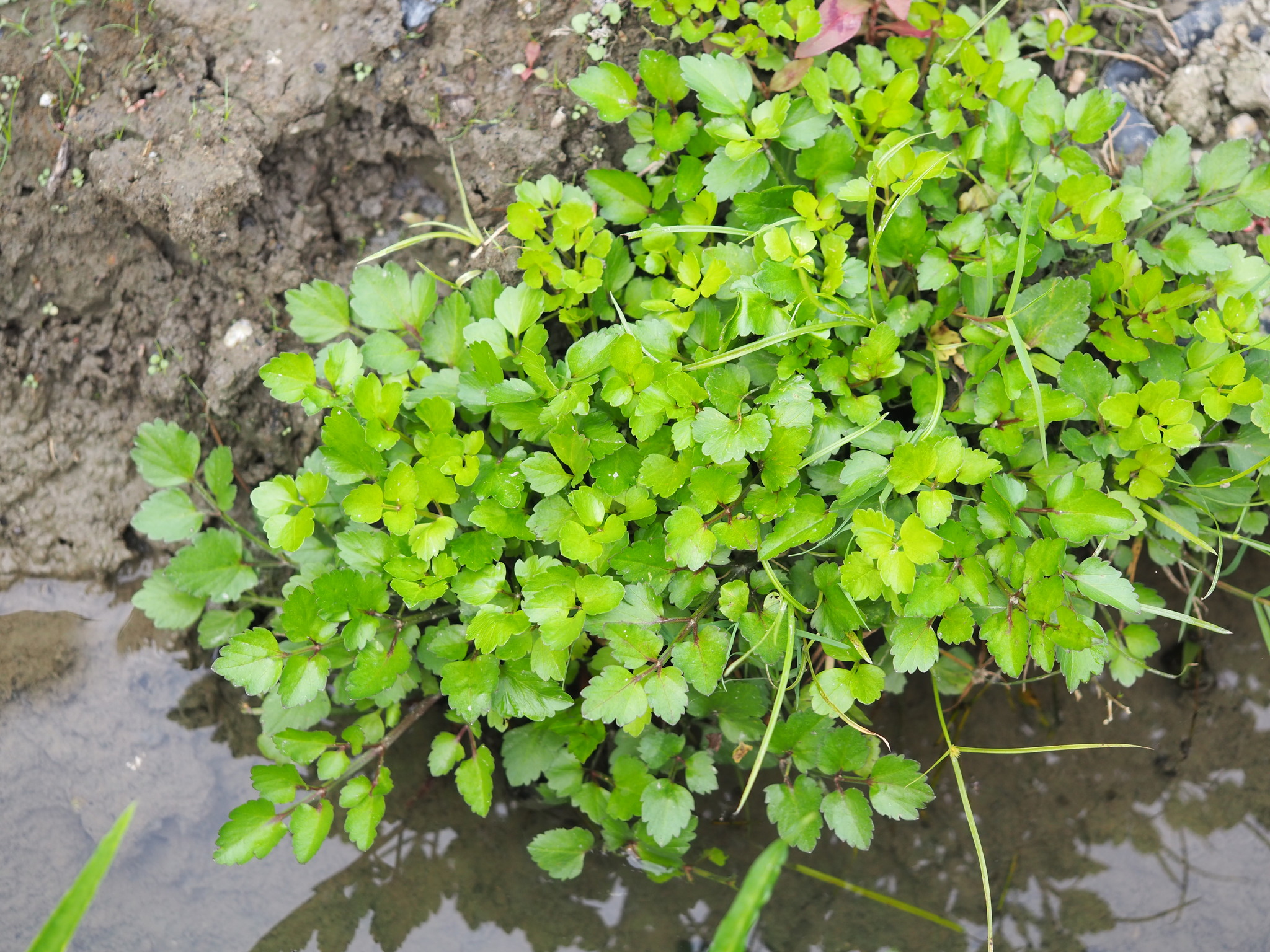
Celery (Apium graveolens) is a marathon vegetable: a very long growing season, seeds that need light to germinate, and a permanent thirst inherited from its marshland origins. It is a classic of the February–March indoor sowing.
When and how to sow celery?
- Long season required: start seeds indoors at least 8–10 weeks before your region's last frost date, at a gentle 10–15 °C.
- In practice: sow under cover in early spring in a seed tray, at about 15 °C, keeping the compost moist; germination can take up to three weeks.
- Do not cover the seeds: they need light to germinate. Sow them on the surface of damp compost and just firm lightly.
- For continuity, sow every 3 weeks from late February to early June.
- In cold regions, sow under a cold frame in winter; where winters are mild, you can wait until midsummer.
Surface-sown seeds, gentle constant warmth (15 °C), a substrate that never dries: that is precisely the spec of a germination kit — the heating mat holds the temperature, and the LED lamp supplies the light celery seeds demand to sprout.
Planting: the richest soil in the garden
- Celery demands the richest soil and permanent water — it is a marshland plant in the wild.
- Soil: rich, loamy, liberally amended with well-rotted compost, pH between 6.5 and 7.0; a spongy earth that holds moisture without going boggy.
- Exposure: full sun preferred, but it tolerates light shade.
- Spacing: 25 cm between plants is standard; top yields come at 27 × 27 cm.
Watering: non-negotiable
Keep celery moist throughout the growing season — in the wild it is a marsh plant. The stakes are also culinary: a thirsty celery produces fibrous, bitter stalks. Regular watering is not a detail.
Harvest
- After about 3 months, start harvesting either by pulling the whole plant or by taking only the outer stalks as needed.
- For blanched varieties, cut the celery at the collar for immediate use: this etiolation does not allow long storage.
In the kitchen
Garden-grown celery stalks, not artificially blanched, have a more powerful flavour and better nutritional value than shop-bought — an unbeatable home argument.
A bit of history
- Celery originates from Asia and Europe, where it grows naturally in marshy ground.
- It was an important plant in Ancient Greece, associated with the cult of the dead — and winner's wreaths at the Isthmian Games were woven from it.
- The town of Kalamazoo, Michigan, was once nicknamed "Celeryville" for its production.
Precautions
Diseased or browned stems should not be eaten. A note for seeds (not stalks): the use of celery "fruits" is contra-indicated during pregnancy — which has nothing to do with ordinary stalk consumption.
Going further: celery rewards careful sowing — start yours in February with the complete kit with greenhouse + LED + mat. And for the month's right jobs, sign up for the newsletter in the footer.
Growing calendar
| JAN | FEB | MAR | APR | MAY | JUN | JUL | AUG | SEP | OCT | NOV | DEC | |
|---|---|---|---|---|---|---|---|---|---|---|---|---|
| Sowing | ||||||||||||
| Planting | ||||||||||||
| Harvest |