Bell pepper (Capsicum annuum): when and how to sow it warm
Published by Germie in Vegetables the
05/11/2026 at 12:05
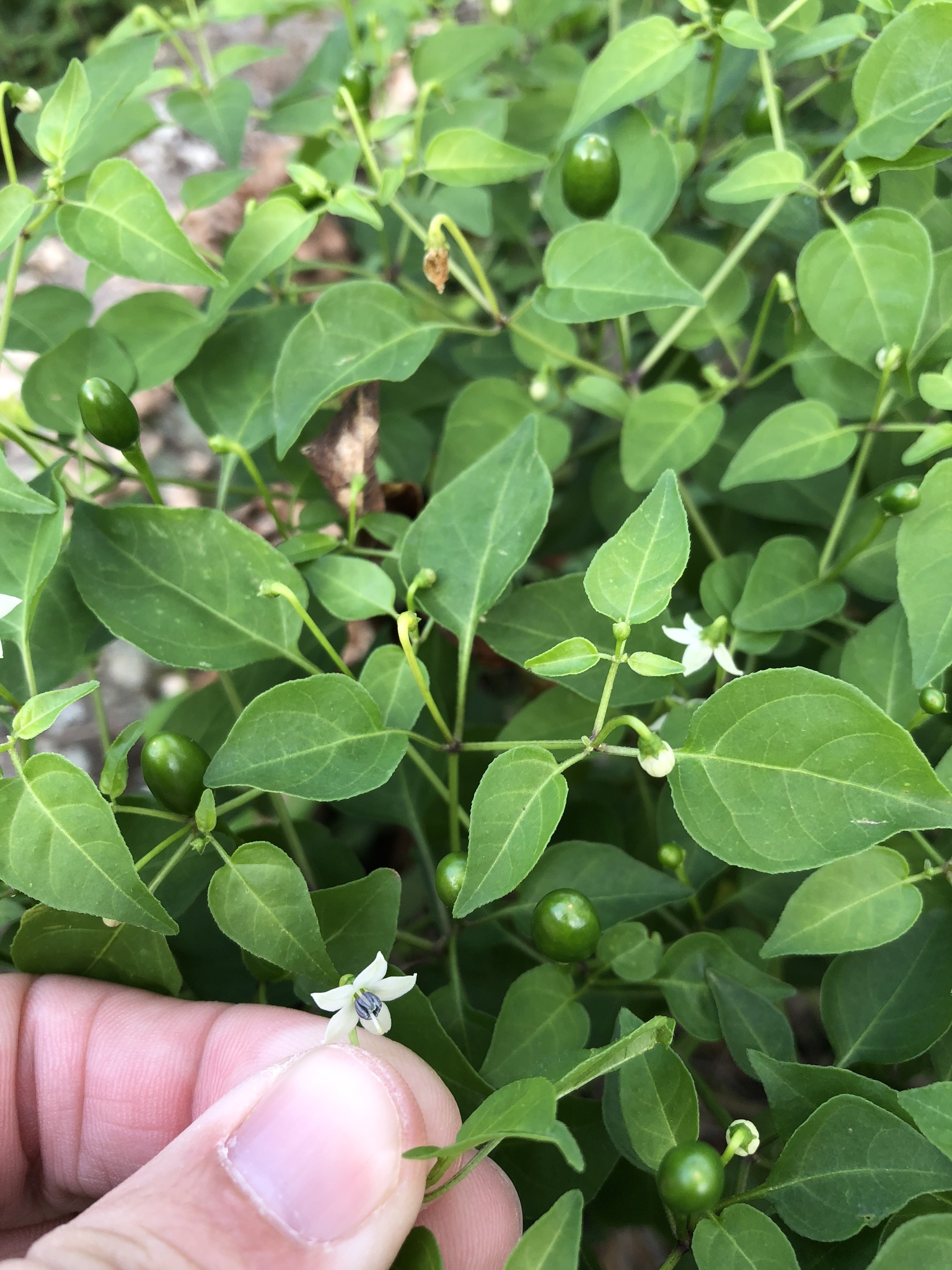
The bell pepper (Capsicum annuum) is a fruit vegetable in the nightshade family — the same family as tomato and eggplant. Cousin of the chili, it is a frost-tender plant whose success is decided at sowing time: warm, sheltered, and very early in the year.
When to sow bell peppers?
The rule is clear: bell peppers are sown warm, under cover, from February to April.
- Sowing takes place in a heated space; the seeds need high temperatures — around 22–24 °C, sometimes up to 28 °C — to germinate.
- Development is rather slow: sowing in March allows transplanting to the garden around late May.
- It is generally grown as an annual: seeds sown warm in late winter for a summer harvest.
- North or south, a sheltered, warm, sunny sowing is indispensable.
In practice: fill pots or a tray with seed compost, set seeds 1 cm deep and keep the substrate warm. That is precisely the job of a heated germination kit: the heating mat keeps the base at a steady temperature and the LED lamp prevents leggy seedlings — the complete kit with greenhouse, LED and mat bundles all three.
Planting out
- Transplant after the last frosts, around late May; a well-managed plant yields 8–12 fruits on average.
- Prepare a hole about 20 cm wide and deep, working the soil to 20 cm to ease rooting.
- Full sun, drained and enriched soil; expect a 90–120 day cycle and plants 40–70 cm tall.
- For handsome peppers, keep feeding the soil throughout the season, give heat and light, and maintain constant root moisture: thick mulch plus regular watering at the base works best.
- Minimise transplant shock: it is paid back in delayed fruiting.
Harvest
Harvest generally runs from August to October depending on variety and ripeness. Cut the fruits with a knife, keeping a piece of stalk attached. Well-tended peppers keep producing all summer, sometimes until the first frosts. Fruits can be picked green and left to colour, or taken fully ripe for extra sweetness.
Pests and diseases
The main enemies are aphids sucking sap, red spider mites in hot dry spells, plus damping-off, mildew and viruses. Prevention: biological insecticides or insect netting, and good airflow between plants. Damping-off — the rotting of young stems at soil level — is prevented by avoiding excess moisture at the germination stage.
Pepper or chili?
Bell pepper and chili belong to the same plant species: the distinction is mainly about heat, and some classifications place the hot chilies under Capsicum frutescens. In the garden their management is identical: warmth, sun, rich soil.
Can you keep a pepper plant several years?
Yes: the pepper is actually a perennial. Usually grown as an annual, the same plant can be kept several years provided it is sheltered from cold in winter. An overwintered plant restarts earlier in spring — though insufficient light limits winter fruiting indoors.
Varieties worth knowing
Reference varieties include 'Carré d'Asti Rouge', an Italian type with small square fruits; 'Doux des Landes', an old Basque variety, early and productive; 'California Orange Wonder', thick-fleshed orange fruits; and 'Coronor F1', with thin sweet flesh.
Going further: start your peppers warm from February with a Germie germination kit.
Growing calendar
| JAN | FEB | MAR | APR | MAY | JUN | JUL | AUG | SEP | OCT | NOV | DEC | |
|---|---|---|---|---|---|---|---|---|---|---|---|---|
| Sowing | ||||||||||||
| Planting | ||||||||||||
| Harvest |