Basil (Ocimum basilicum): warm sowing, growing and harvest
Published by Germie in Vegetables the
05/11/2026 at 12:05
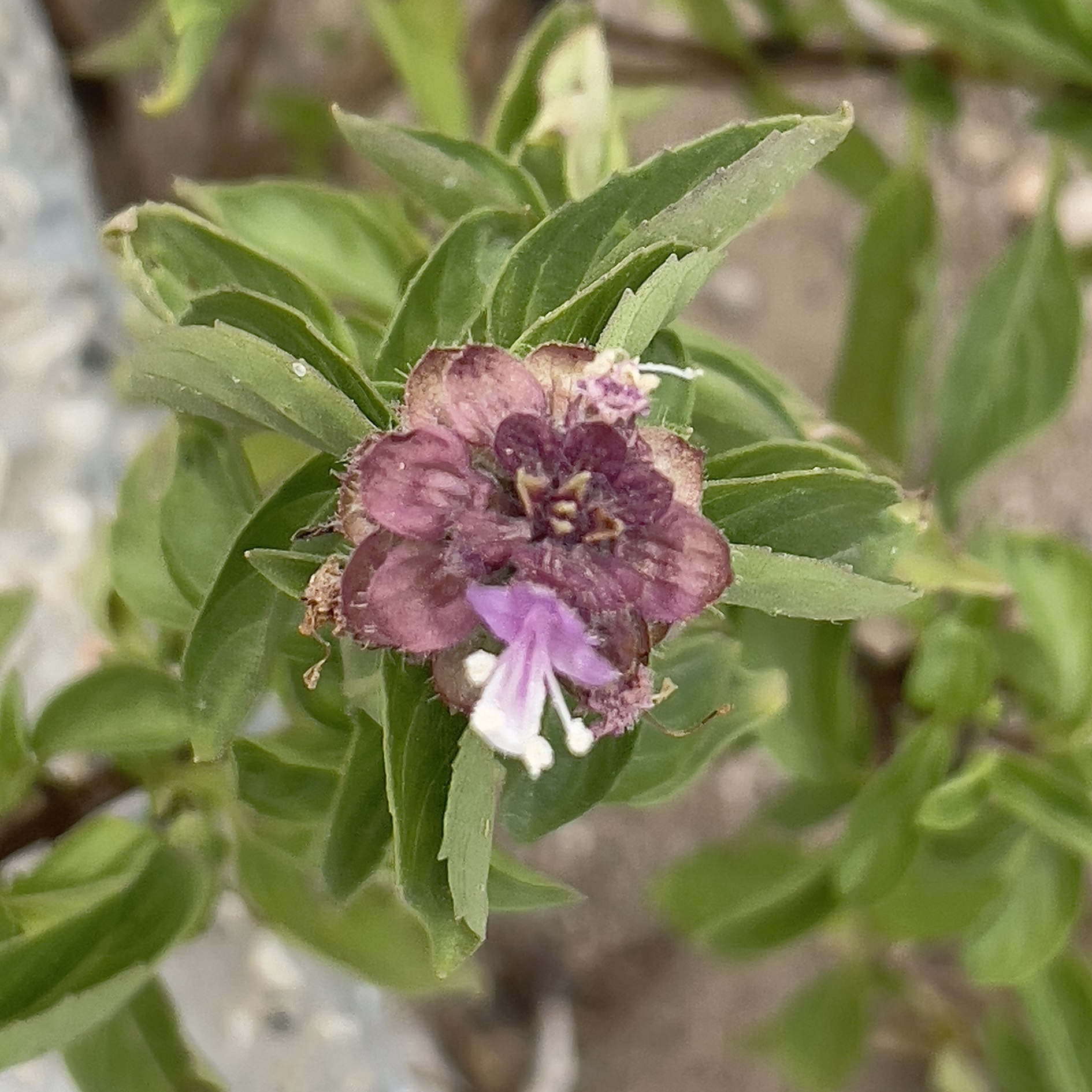
Basil (Ocimum basilicum) is the most requested herb in the vegetable garden — and one of the most frost-tender: an annual killed at 0 °C, it is sown warm from February to be ready by spring.
When to sow basil?
- Sowing is done warm, at an average temperature around 20 °C, from February to April, in a tray or pan.
- Indoors or in a heated shelter, sowings run February–April; from May onwards, seeds can go directly in place.
- Allow 6–8 weeks between sowing and final planting — a March sowing gives plants ready for April–May.
- Depth: only 3–6 mm, the seeds are covered very lightly.
A heated germination kit covers exactly this need: heating mat for the constant ~20 °C and LED lamp against leggy seedlings — or straight to the complete kit with greenhouse + LED + mat.
Planting and care
- Set basil in a sunny spot sheltered from winds, in rich soil, well-drained but staying fresh.
- Transplant 10 cm plants into pots or open ground after the last frosts, spaced about 50 cm apart; harden them off outdoors for two weeks first.
- Water regularly so the soil stays moist: the root ball must never dry out completely.
- Pinch out stem tips as soon as flower buds form — between thumb and forefinger — so the basil branches out instead of bolting to seed.
- In pots: a container with drainage holes, a draining layer, enriched compost and a pot of at least 20 cm.
Harvest
Leaves are picked from May to October, ideally just before the meal. Favour the largest leaves and cut the whole stem to encourage new shoots. In high season, pick young leaves on demand; for maximum aroma, harvest in the morning.
Cycle and overwintering
- In good conditions, basil — perennial but frost-tender — can thrive for several months, even from one year to the next; it only tolerates temperatures above about 7 °C.
- Indoors, bring the pot close to a bright window and rotate it weekly as light fades.
- Basil seeds keep their germination power for about 8 years, sometimes more.
Companions and diseases
- Basil has a reputation for deterring flies, mosquitoes and aphids; it is classically paired with tomatoes, peppers and eggplants, sharing their love of warmth.
- Diseases to watch: grey mould (grey down on leaves) and powdery mildew (white felting), encouraged by poor airflow, excess fertiliser or sharp temperature swings.
In the kitchen
Basil leaves and flowers are used fresh in salads and raw vegetables, or added at the end of cooking to potato, pasta, bean and rice dishes. Pistou from Nice and Genoese pesto are both preparations of basil leaves, garlic and crushed pine nuts bound with olive oil.
Varieties worth knowing
Grand Vert, Marseillais, Greek, Perpetual; 'Amethyst' with purple leaves and a softly musky taste; and 'Napoletano', with a liquorice-anise aroma and notes of cinnamon and clove.
A bit of history
Cultivated for more than 4,000 years in India, basil only arrived late in Western Europe, where it became the emblematic herb of Mediterranean cooking.
Going further: start your basil warm from February with a Germie germination kit.
Growing calendar
| JAN | FEB | MAR | APR | MAY | JUN | JUL | AUG | SEP | OCT | NOV | DEC | |
|---|---|---|---|---|---|---|---|---|---|---|---|---|
| Sowing | ||||||||||||
| Planting | ||||||||||||
| Harvest |