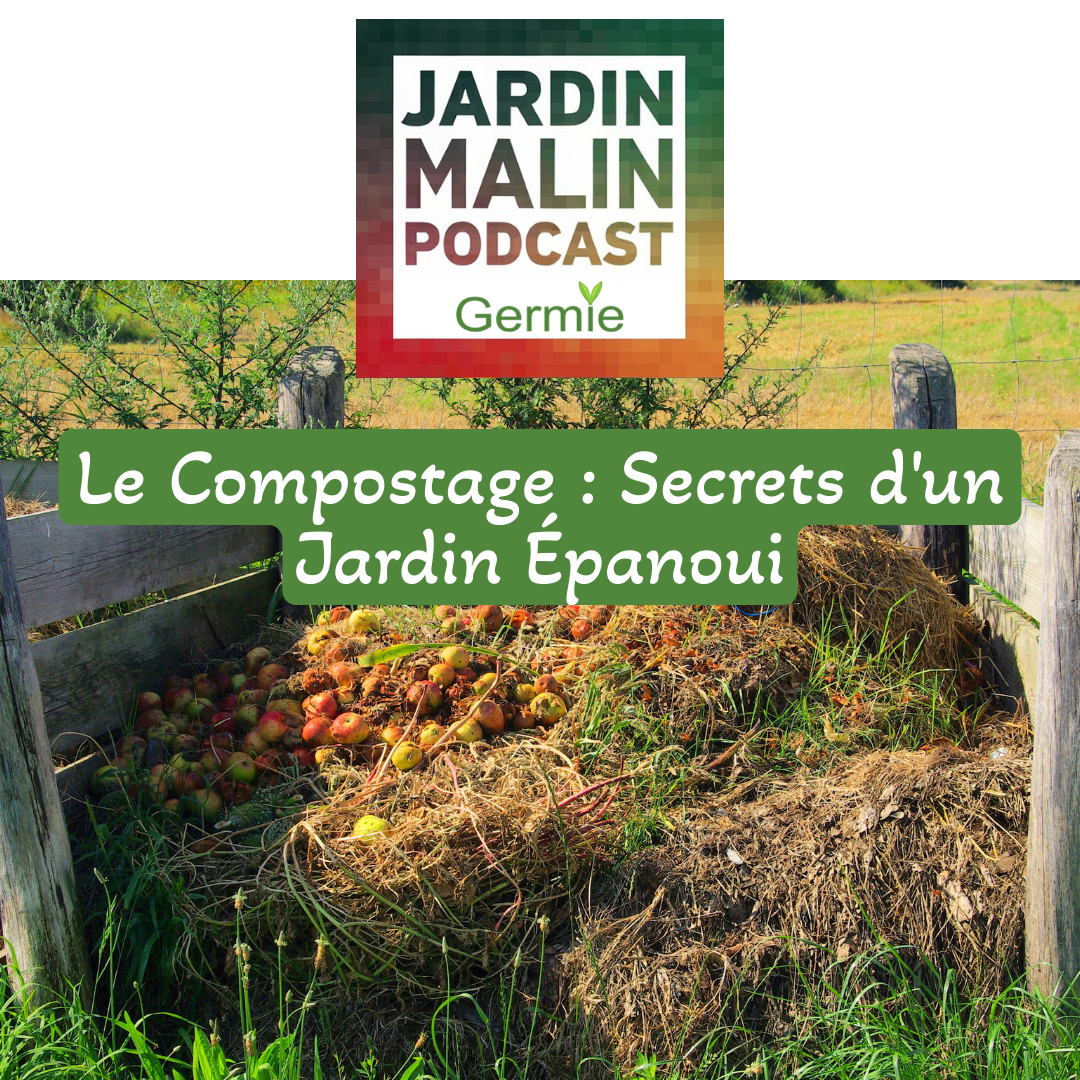
Making Compost: A Precious Ally for a Flourishing Garden
Published by Germie in Smart Garden the
19/09/2026 at 00:42
Introduction
Composting is an effective method of recycling organic waste, turning your food scraps and yard waste into a rich soil amendment. By integrating compost into your garden, you create a healthy and nourishing environment for your plants.
Listen, download and subscribe to our podcasts: JARDIN MALIN
They are also available on Apple Podcasts, Spotify, iHeartRadio, Amazon Music / Audible, Castbox, Deezer and Podcast Addict
Why compost?
- Waste recovery: each year, a person produces around 83 kg of bio-waste that can be composted.
- Flourishing garden: good compost improves soil structure, promotes plant growth and stimulates the activity of beneficial microorganisms.
- Black gold: Compost is often referred to as “black gold” because of its ability to enrich the soil with essential nutrients.
- Ideal temperature: for optimal decomposition, it is crucial to maintain a temperature between 50 and 65°C. At this temperature, microorganisms grow quickly, speeding up the composting process.
- Carbon/nitrogen ratio: a good balance between materials rich in carbon (brown) and nitrogen (green) is essential. For example:
- Brown materials: dead leaves, branches.
- Green materials: vegetable peelings, grass clippings.
- Types of materials: It is recommended to include various materials to optimize the process. Kitchen scraps, yard waste and even some papers can be added.
- Role of oxygen: aeration plays a fundamental role in decomposition. Oxygen allows aerobic bacteria to thrive, which promotes rapid composting without unpleasant odors.
- Turn the pile regularly: To maintain proper temperature and aeration, it is important to turn the compost pile every few weeks. This also makes it possible to homogenize the materials and accelerate their decomposition.
Investing in composting is not only beneficial for your garden, it is also a responsible gesture towards the environment.
Hot composting: a dynamic process
Hot composting is an effective method of transforming organic waste into rich compost. This process relies on the rapid decomposition of materials, favored by high temperatures. Here are the key elements to consider:
By applying these principles of hot composting, you will transform your waste into a valuable amendment for your garden while contributing to its overall health.
Cold composting: a zen approach
Cold composting is distinguished by its passive and less demanding method. Unlike hot composting, which requires active management, this approach follows a natural rhythm.
Extended decomposition time
Decomposition takes longer, often up to a year, but it offers a practical alternative for those short on time or energy. Here are some recommended types of materials:
- Dead leaves: rich in carbon, they constitute an ideal base.
- Crushed branches: add structure and improve ventilation.
Benefits of a coarse texture
A coarse texture plays a crucial role in improving soil structure. It promotes:
- Better ventilation
- Optimal moisture retention
- Increased beneficial microbial activity
Cold composting requires patience. By letting the process happen naturally, you help enrich your soil without undue effort. This method is particularly suitable for gardeners who wish to adopt a Zen approach, in harmony with natural cycles.
Leaf compost: a hidden treasure for your garden
Leaf compost represents a valuable resource to enrich your garden. Here's how to create it and take advantage of it:
- Creation process: leaf mold is formed by the natural decomposition of dead leaves. By gathering them in a shady corner of your garden, you allow the organic matter to decompose slowly thanks to the action of micro-organisms and insects.
- Transformation into stable organic matter: on a microscopic scale, the leaves transform into humus, a compost rich in nutrients. This process improves soil fertility, thereby promoting plant growth.
- Water and air retention: Potting soil plays a crucial role in maintaining fertile soil. Its light texture allows good ventilation while retaining the humidity necessary for plant roots. This contributes to better plant health, especially during dry periods.
Using leaf compost is therefore a simple gesture that significantly improves the quality of the soil, making your garden more flourishing.
Compost: a natural shield for plants
Compost acts as anatural fertilizerwhich strengthens theplant immune system. Its regular use offers several advantages:
- Protection against diseases: Compost creates an unfavorable environment for pathogens. By enriching the soil, it encourages the growth of beneficial microorganisms that help prevent infections.
- Competition between microorganisms: the diversity of microorganisms present in compost stimulates competition between beneficial species and harmful agents. This natural fight helps maintain the balance of the soil ecosystem.
- Stimulation of natural defenses: plants fed with compost develop more robust defenses. They are better prepared to resist environmental stress and insect attacks.
By integrating compost into your garden, you not only feed your plants, but also provide them with effective protection against various health challenges. This natural process transforms your green space into a healthy and resilient habitat, conducive to flowering and productivity.
Composting: a gesture for the planet
Composting is an essential action forrespect for the environmentand sustainable waste management. Here are some significant contributions:
- Waste reduction: each year, a person produces on average 83 kg of bio-waste, which can be transformed into compost. By composting this organic waste, you reduce the amount sent to landfill, which reduces greenhouse gas emissions.
- Improved soil health: Compost enriches the soil with nutrients and promotes the growth of beneficial microorganisms. These elements not only improve soil fertility, but also strengthen their structure, allowing better water retention and optimal aeration.
- Importance of recycling: on an individual level, every gesture counts. By integrating composting into your daily routine, you are actively participating in a collective movement in favor of recycling organic waste. This demonstrates a commitment to sustainable practices that benefit the entire community.
Each action towards composting contributes to a positive impact on the environment, by transforming waste into valuable resources for our ecosystem.
Conclusion: a journey to the heart of life
Get involved in composting, a practice accessible to everyone, even in urban areas. This rewarding process turns your waste into a valuable resource, nourishing soil life and promoting a thriving garden.
Join thecomposting communitywill allow you to exchange tips and experiences with other enthusiasts. Together, you will participate in a rewarding adventure that contributes to a healthier environment. Make your green space a true natural paradise. Embark on this process and discover the benefits of “Making your compost: a valuable ally for a flourishing garden”.