Storing the autumn harvest all winter: cellar, clamp and jauge
Published by Germie in Gardening tips the
05/11/2026 at 16:36
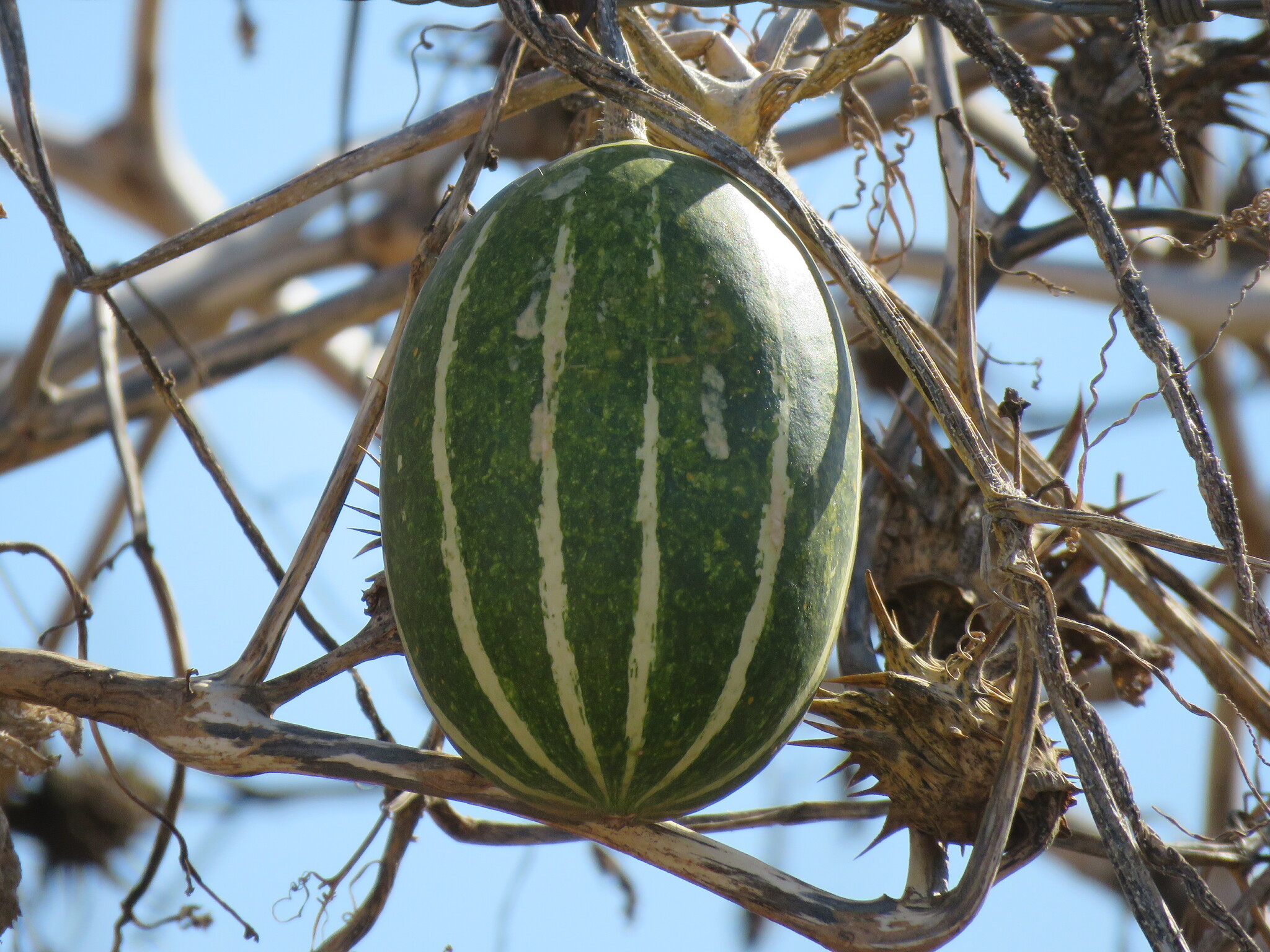
Harvesting is only half the work: a carrot lifted in wet weather, a squash put in the cellar, an onion forgotten in a plastic bag — and part of the crop goes to rot before Christmas. The number-one storage mistake is believing one room suits everything. In reality you need two opposite atmospheres: the cool, damp cellar for roots and cabbages, and the dry, airy room for squashes and bulbs. Confuse the two and you lose the crop.
The two atmospheres to know by heart
| Group | Temperature | Humidity | Light | Duration |
|---|---|---|---|---|
| Roots (carrot, beetroot, celeriac, turnip) | 8-12 °C stable | 85-90 % | dark | all winter |
| Potatoes | 4-10 °C (< 4 °C ideal) | medium, airy | dark essential | 4-6 months |
| Squashes | 10-16 °C | dry | indifferent | 3-6 months |
| Bulbs (onion, shallot, garlic) | cool, frost-free | dry | indifferent | 8-10 months |
| Cabbages | cool, frost-free | high | indifferent | winter in jauge |
| Sweet potato | 13-18 °C dry | dry | indifferent | — |
The "root" cellar is defined as: frost-free, stable 8-12 °C, dark, humid at 85-90 %. The attic is warmer, dry and ventilated. Beware: the 85-90 % humidity that keeps carrots crisp will rot onions. Without two rooms, a cellar plus an attic — or a simple aired garage — is enough.
Squashes and pumpkins: curing first
Harvest before the frosts, cutting the stem as long as possible with a knife — and without any knock: the smallest bruise compromises storage. Then let the fruits cure for several days in a dry, warm place (a sunny wall works) until the stem lignifies.
Store them in a dry, airy room at 10-16 °C, without piling them: air must circulate between the fruits, ideally on battens or a shelf rather than on the ground. Depending on the type, they keep 3-6 months.
Potatoes: cure, then complete darkness
Before storage, the potato goes through a curing that thickens its skin; skip it and fusarium walks in. The ideal room has five requirements: constant darkness (light greens them in a few days and raises solanine), air neither too dry nor too damp with periodic ventilation, a low temperature preferably below 4 °C, a slatted floor, and a pile under one metre turned and de-sprouted by hand about once a month.
In bins, don't pack them: they must breathe or they sprout and rot — and never a closed plastic bag (paper, jute or net). In the ground, the clamp silo works very well: an 80 cm square, 60 cm deep, lined with 15-20 cm of dry straw, covered by an overhanging waterproof plate — damp is the silo's only real enemy. An old buried washing-machine drum, sand at the bottom and a leaf cover, keeps more than 4 months.
Carrots and beetroot: the sand crate
Lift in dry weather, cut the tops flush at the collar (they would rot the roots), don't wash, remove the soil that would end up drying them. Sort one by one: a single rotting carrot contaminates the whole layer.
In a wooden crate: lay the roots on a bed of sand (mixed with peat if you have it) without letting them touch, a layer of sand between each layer of roots, and about 15 cm of the same mix on top. The sand, damp but not soaked, regulates humidity. Outdoor alternative: the silo under straw and soil, or — in light, healthy soils — simply leave the carrots in place under a straw cover: they fear damp more than cold. Either way they keep until winter's end.
Onions and shallots: dried, then hung
After lifting, let the bulbs dry 5-6 days on the ground (or under cover if weather threatens), then clean: roots cut flush with a billhook, tops shortened to 20 cm if you plait them into strings, to 2 cm if you store them flat in crates or jute bags.
The room: cool, airy and frost-free — slatted crates, attic floor, or strings hung from a pantry beam. Properly dried, they keep until the next harvest, 8-10 months. For winter, the coloured varieties keep best (yellow types like Paille des Vertus, or reds like Niort/Florence). Inspect regularly: any soft bulb goes out before it contaminates its neighbours — the damp cellar is their grave.
Leeks and cabbages: the forgotten cellar crops
Leeks: the simplest storage is leaving them in the ground all winter — they can be eaten into March, only a lasting soil freeze prevents lifting. Earth up a month before to lengthen the white. To bring harvest forward, keep them in jauge: planted tight and upright, roots buried in a little soil (under a cold frame or in the cellar), shanks in the air, a light weekly watering — 3-4 weeks' keeping.
Cabbages: they can stay in the garden for weeks through autumn, but better to bring them in in perfect condition. In a cool, airy cellar or garage, on a shelf or hung in nets, outer leaves removed. Better still: brought into the cellar with a small root ball and the ball buried in a spare bed, they get through winter. For cauliflowers, fold the leaves over the curd and tie. Watch the calendar: the autumn cabbages, cauliflowers and broccoli must all be harvested by December.
The mistakes that rot everything
- Knocks and bruises — the door for fungi on squashes and potatoes.
- No sorting — one wounded root or bulb contaminates the whole layer.
- Harvesting wet or in heat.
- Leaving soil on the vegetables — it dries them out.
- Piling up — potato heaps over 1 m, stacked squashes, roots touching.
- Mixing the atmospheres — 90 % humidity for roots, never for bulbs or squashes.
- Blocking the air — ventilation removes the ethylene that speeds decay; and don't store cabbages and alliums (odours) with fruit vegetables.
- Skipping checks — inspect the stock monthly and remove anything soft.
And the final trap: the sweet potato does not follow the potato's regime — it wants 13-18 °C, dry; below 13 °C it spoils.
Further reading: the winter protection guide and the autumn green manures article.