Sowing under a cold frame in October-November: what still goes in
Published by Germie in Gardening tips the
04/11/2026 at 11:16
Late October, you might think sowing season is over. Not quite: under a cold frame, a cloche or a tunnel, a few species still accept being sown or transplanted — and above all, everything already under cover needs precise care to get through winter. Here is what can still be done in October-November, and how to run a cold frame until spring.
What you can still sow in October-November
Let's be honest about the calendar: most winter sowings happen in August-September. But under cover, the window stays open for a few species.
| Crop | Oct-Nov sowing under cover? | Method and density | Notes |
|---|---|---|---|
| Lamb's lettuce (corn salad) | until 15 October | broadcast or in rows 20 cm apart, 4-5 cm on the line (300-350 plants per 3 m²) | withstands -8/-10 °C if not fully grown; pick all winter under cover; never transplant |
| Spinach | yes — about a month after outdoor sowing ends | 30 cm between rows, thin to 10-15 cm, 1.5 cm deep | forcing or winter fleece for plants in place |
| "All-the-year" radish | late summer-early autumn; Oct-Nov not documented | rows 10-15 cm apart, 5 cm on the row; 2 mm (round) to 2 cm (half-long) | germination in 2 days under cover; no transplanting |
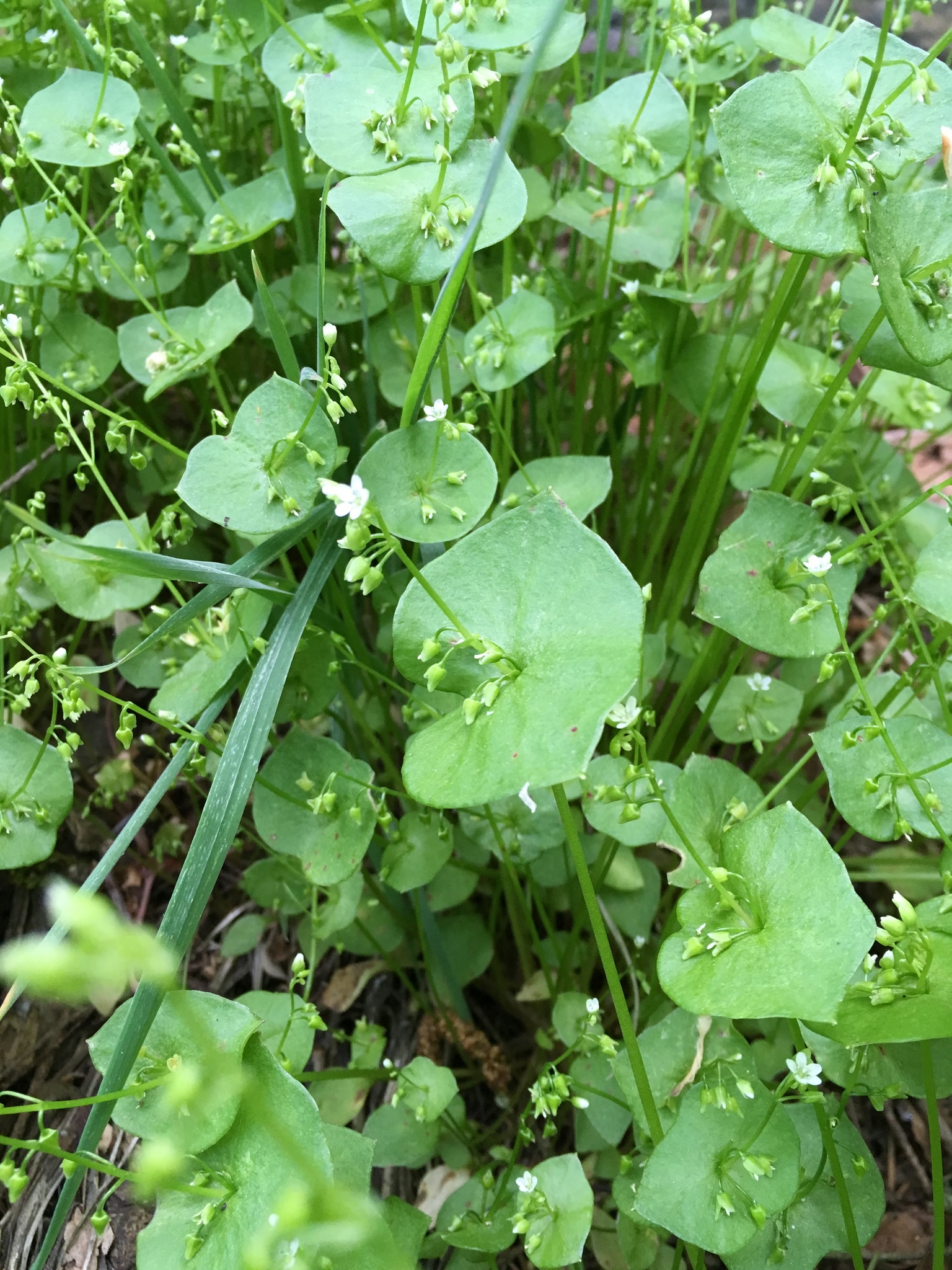
| Winter purslane (miner's lettuce) | yes, at the start of autumn | not documented | pickings all winter under cover |
| Parsley | sowing or transplanting in early autumn | not documented | slow germination — a month even in good conditions; winter and spring harvests under cover |
| Cauliflower / broccoli | transplant at 2-3-leaf stage in October under the frame | 25 seeds per metre of furrow at sowing | overwinter inside frames banked with straw + mats from dusk; plant out in March at 60 cm each way; harvest May-June |
| Broad bean | October-early November in mild regions, in open ground — not under frames | clumps of 4-5 seeds at 40 cm, or rows 15 × 30 cm; 4-5 cm deep | harvest April-May; sown in place, no cover |
| Pea | October-November, hardy varieties, in open ground | dwarf: 3 cm on the line, 40 cm between rows; climbing: 60 cm; 4 cm deep | harvest April-May; "exclusively outdoors" except 3 varieties (Petit Provençal, Annonay, very dwarf mangetout) |
And for winter lettuces already sown in August-September: transplanting is still possible until the first real cold — 4-5-leaf plants, bare-rooted, "floating" transplants with the heart above soil level. Under a frame, plant tighter than outdoors: the harvest can double.
The frame: dimensions and exposure that matter
The classic box is 20 cm high at the front, 30 cm at the back — the slope catches the rays and sheds water. The professional version: 3.90 × 1.30 m for three lights; for amateurs, combined plastic box-frames of 1 × 1 m, half-opening, do the job. Site it in the most sheltered spot in the garden, against a hedge or wall, opening south or south-west.
Three upgrades that change everything: the "hotbed collar" — a belt of straw the full height of the box and 30 cm wide, topped with mats at night; wall insulation with polystyrene if your frame is glass-and-aluminium (markedly colder than brick); and shading for glazed frames — a slatted screen, jute cloth or mats — because winter sun on a closed light overheats as fast as frost bites at night.
The hotbed: engine of the winter frame
For real forcing, tradition relies on the manure bed: a 40 cm mattress of fermenting strawy horse manure (built in three trodden 30 cm layers), covered with 10-15 cm of soil. As it breaks down it fires the "heat flush" — up to 85 °C for 5-6 days, pasteurising the substrate and killing weed seeds — then settles around 20 °C. Sow only when the bed thermometer falls back to 20-22 °C. If the bed "smokes" too hard in the first days, water abundantly; a third of dead leaves in the manure tempers the peaks.
The mild or "sour" bed (30-60 cm of manure buried under 30 cm of soil, ~10 °C) is enough for simple protection. And for the better equipped: a thermostatic cable buried in 20 cm of sand turns the box into a mini-greenhouse (+8 to +10 °C) — but fixes it in place.
Winter management: ventilation is non-negotiable
Mistake n°1: a frame kept shut on a fine winter's day rots the salads. The rule is simple:
- Open on fine days, on the side away from the wind, with a 3-notch ratchet to meter the gap.
- Close before sundown to keep the day's stored warmth.
- Icy nights (-3/-4 °C): cover frames and boxes with mats, an old carpet or a warm cloth — set before the temperature drops, removed in the morning unless the day stays bitter.
- Condensation: wipe the light daily; remove pane or plastic bag as soon as germination shows, or fungal diseases strike.
- Watering: in the morning, with room-temperature water — 10 litres per 2 m² through a fine rose. In tunnels, double the side walls with bubble wrap in winter.
- Never insulate the top permanently: plants need light as much as warmth.
Mistakes that kill a winter frame
- Leaving condensation on the glass after germination.
- Watering to mud — seeds lack air and rot.
- Sprinkling over an open frame: droplets on foliage cause scorch spots.
- Sowing too dense: thinning becomes destructive.
- Assuming a tunnel needs no watching: its ground fastening is delicate and the wind tests it.
- Forgetting hardening-off: before spring transplanting, open progressively during the best hours.
A winter frame is a living tool: it opens, closes, gets covered and aired every day. Well run, it gives you salads into spring and early plants for March — the logical next read: protecting the whole garden from the cold, then winter mulching by material.
Also read: winter indoor sowing for what can't stay outside even under cover.