What to do in the garden in October?
Published by Germie in Garden calendar the
05/11/2026 at 16:33
What to do in the garden in October?
The month of the last harvests and the great autumn plantings — from one end of Europe to the other.
October is a turning point. In northern Europe, the first frosts can already take you by surprise; around the Mediterranean, the days stay mild and the soil still warm. Everywhere, the garden changes pace: we finish the harvests, plant part of next year's crops and prepare for winter — and, already, for spring.
Here are the essential October jobs, from the vegetable patch to the balcony, with pointers that adapt to your climate.
Contents
- In the vegetable garden: the last harvests before the frosts
- Sowing and planting
- Soil ready for winter
- In the orchard and fruit garden
- In the ornamental garden: the great month of bulbs
- Lawn, fallen leaves and winterizing
- Balcony, terrace and indoors
- October according to your region of Europe
- The 10 key jobs of October
- Frequently asked questions
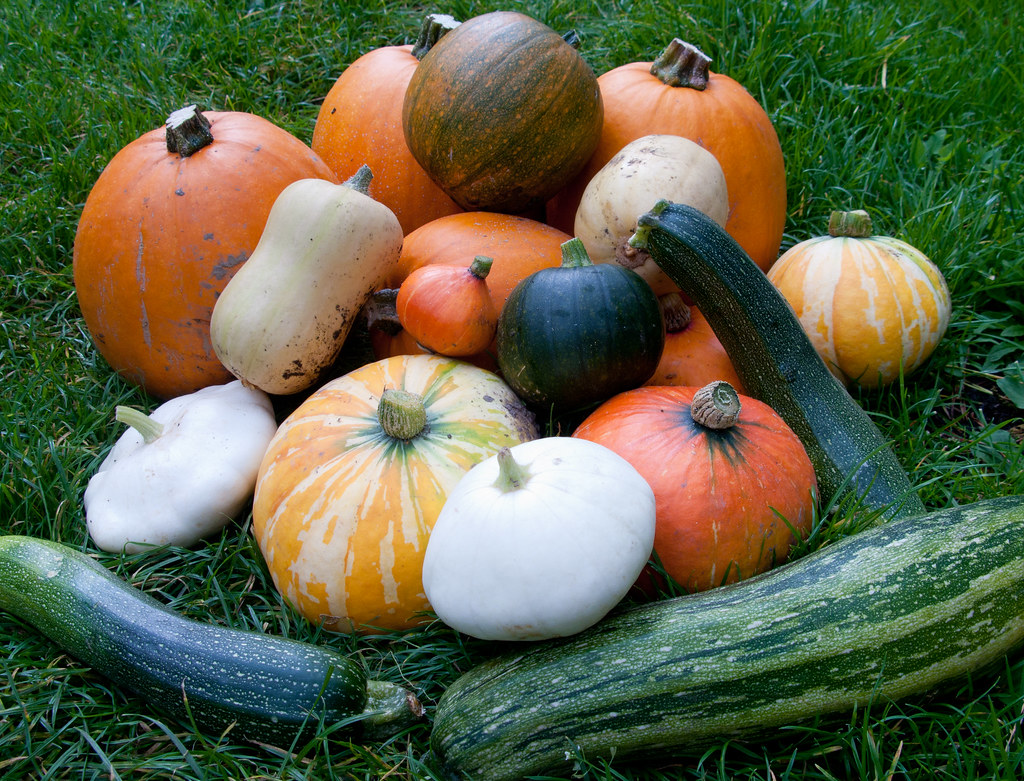
- Squash and courgettes: bring them in before the first frosts. Let squash harden off for a few days in the open air, then store them in a dry, airy place at around 10–15 °C: they will keep for several months.
- Tomatoes: harvest everything, even the green ones — they ripen very well indoors.
- Potatoes: lift them in dry weather, let them dry before storing them unwashed in crates.
- Cabbages, leeks, lamb's lettuce, spinach, parsnips: these hardy crops stay in place and are harvested as needed — often all winter long in mild regions.
- Tidying up: pull out exhausted plants and do not leave diseased vegetation on the ground (slugs and diseases shelter there). Compost only healthy debris.
- Garlic: THE month to plant autumn garlic. Point facing up, 3–4 cm deep, spacing the cloves 10 to 15 cm apart.
- White onions and shallots: to be planted in many regions; in northern Europe it is safer to plant them under cover or wait until late winter.
- Autumn sowing: lamb's lettuce, spinach, winter lettuces, rocket, chervil. In cold climates, sow under a cold frame or a fleece.
- Broad beans and peas: in regions with mild winters (Atlantic coast, southern Europe), sowing at the end of the month gives an early spring harvest. Elsewhere, better wait.
- Green manures: on cleared beds, sow mustard, phacelia or rye. They cover the soil, limit weeds and enrich it.
- Strawberries: new plantings still settle in very well this month.
- Rhubarb: divide the crowns and replant without delay.
- Mature compost: spread it on the surface and scratch it in lightly; earthworms finish the job before the frosts.
- No bare soil: green manure, mulch or dead leaves — a covered soil stays alive and warms up faster in spring.
- Take stock: this is the time to find out your soil type. A soil analyzer then gives you pH, moisture and nutrients in seconds.
- Harvests: late apples, pears, quinces, medlars, walnuts, chestnuts. Eat or process bruised fruit quickly.
- Cleanliness: pick up fallen fruit at the foot of trees — it attracts wasps and diseases.
- Planting: autumn is the best season to install fruit trees and soft fruit (raspberries, blackcurrants, currants). The still-warm soil encourages rooting.
- Cuttings: currants, blackcurrants and, in mild regions, fig trees.
- Pruning: remove dead wood and diseased branches; protect young trunks from rodents.
- Raspberries: cut down the canes that have fruited and tie in the new ones.
- Spring bulbs: tulips, daffodils, hyacinths, crocuses, snowdrops. Plant at 2–3 times the bulb's height, point facing up — in beds, borders or pots. You have until the end of November, as long as the soil is not frozen.
- Planting: trees, shrubs, hedges and roses benefit from autumn to settle in well.
- Perennials: divide overcrowded clumps, cut back faded stems — leaving a few flowers and seed heads for the birds.
- Non-hardy summer bulbs: after the first frosts, lift dahlias, gladioli and cannas; let them dry before storing them frost-free.
- Tender plants: bring in citrus, oleanders and laurels before the nights turn too cool; reduce watering.
- Lawn: one last mow with a higher cutting height; scarify compacted areas and reseed bare patches. In most regions, the beginning of the month is still ideal for sowing.
- Fallen leaves: don't throw them away! In a perforated bag or net, they become superb leaf mould; a pile at the back of the garden makes an ideal shelter for hedgehogs.
- Protection: earth up and mulch sensitive crowns.
- Around the house: clean gutters and water butts, drain hoses, put away garden furniture.
- Bring in tender pots and raise all containers so water does not stagnate.
- Window boxes: plant bulbs in layers (tulip, daffodil, crocus) to flower in waves all spring.
- Indoors: set up our germination kits near a window and harvest fresh shoots all winter — radish, mustard, alfalfa… simple, quick and good all year round.
- Less water, more light: adapt watering and move plants closer to the window.
- Northern Europe (Scandinavia, northern Germany, Scotland…): frosts arrive early. Bring forward the last harvests, bring plants in and protect them; plant bulbs and trees while the soil is still workable, and winterize greenhouse and pond.
- Central Europe (France, Benelux, the British Isles, Germany, Poland…): the heart of autumn jobs — last sowings, bulbs, tree planting, green manures and gradual winterizing.
- Southern Europe (Spain, Italy, Portugal, Greece…): the season starts again! Sow broad beans, peas, spinach and salads, plant garlic and onions, and enjoy still-warm soil to install trees and shrubs.
- Harvest squash and tomatoes before the frosts.
- Plant autumn garlic.
- Sow lamb's lettuce, spinach and winter lettuces.
- Plant spring bulbs.
- Spread compost and cover bare soil.
- Plant fruit trees and soft fruit.
- Collect leaves for leaf mould.
- Lift dahlias and gladioli, store frost-free.
- Bring in and protect tender plants.
- Last mow and clean the tools.
In the vegetable garden: the last harvests before the frosts
Sowing and planting: the vegetable garden is already thinking about next year
Soil ready for winter
In the orchard and fruit garden
In the ornamental garden: the great month of bulbs
Lawn, fallen leaves and winterizing
Balcony, terrace and indoors: keep growing!
October according to your region of Europe
The 10 key jobs of October
Frequently asked questions
What can you plant in October?
Spring bulbs, garlic, onions, trees and shrubs, strawberries… and in the vegetable garden: lamb's lettuce, spinach, winter lettuces, plus broad beans and peas in mild regions.
Can you still sow grass seed in October?
Yes, and it is even a good time: the air cools down but the soil stays warm, which encourages germination. Prefer sowing early in the month in cold regions; in southern Europe you can carry on longer.
When should you plant spring bulbs?
From October to the end of November — and until mid-December in mild regions — as long as the soil is not frozen. Too late, and flowering would be compromised.
How do you protect plants from frost?
Fleece, mulch, cold frames and cloches for crops; bring in tender pots and avoid nitrogen-rich fertilisers, which make plants more sensitive.
What to do with tomatoes that are still green?
Let them ripen indoors at room temperature.
This guide brings together recommendations from a selection of leading gardening calendars across Europe.
Happy gardening!
Photos: © Tony Austin, © photofarmer, © CarbonNYC [in SF!] — CC BY license, via Flickr.